A palenque is a taberna is a vinata. In other words, mezcal distilleries are called by different names in different regions. You can diligently learn all the colloquial names for agave species in one state and travel to another state only to discover that the agaves have totally different names or–even more confusingly–that the same name refers to a totally different agave. Meanwhile, there’s a whole giant lexicon for the mezcal production process.The language of mezcal is complex, with as many regional variations as the spirit itself. We created our Mezcal Encyclopedia to help you navigate this linguistic maze, and we periodically add new entries.
Today we’re inviting you to explore the encyclopedia via this shorter Agave A-Z (or, ahem, A-V), which highlights some of the more basic terms (along with links to full encyclopedia entries) and recommends additional reading.
A is for Ancestral
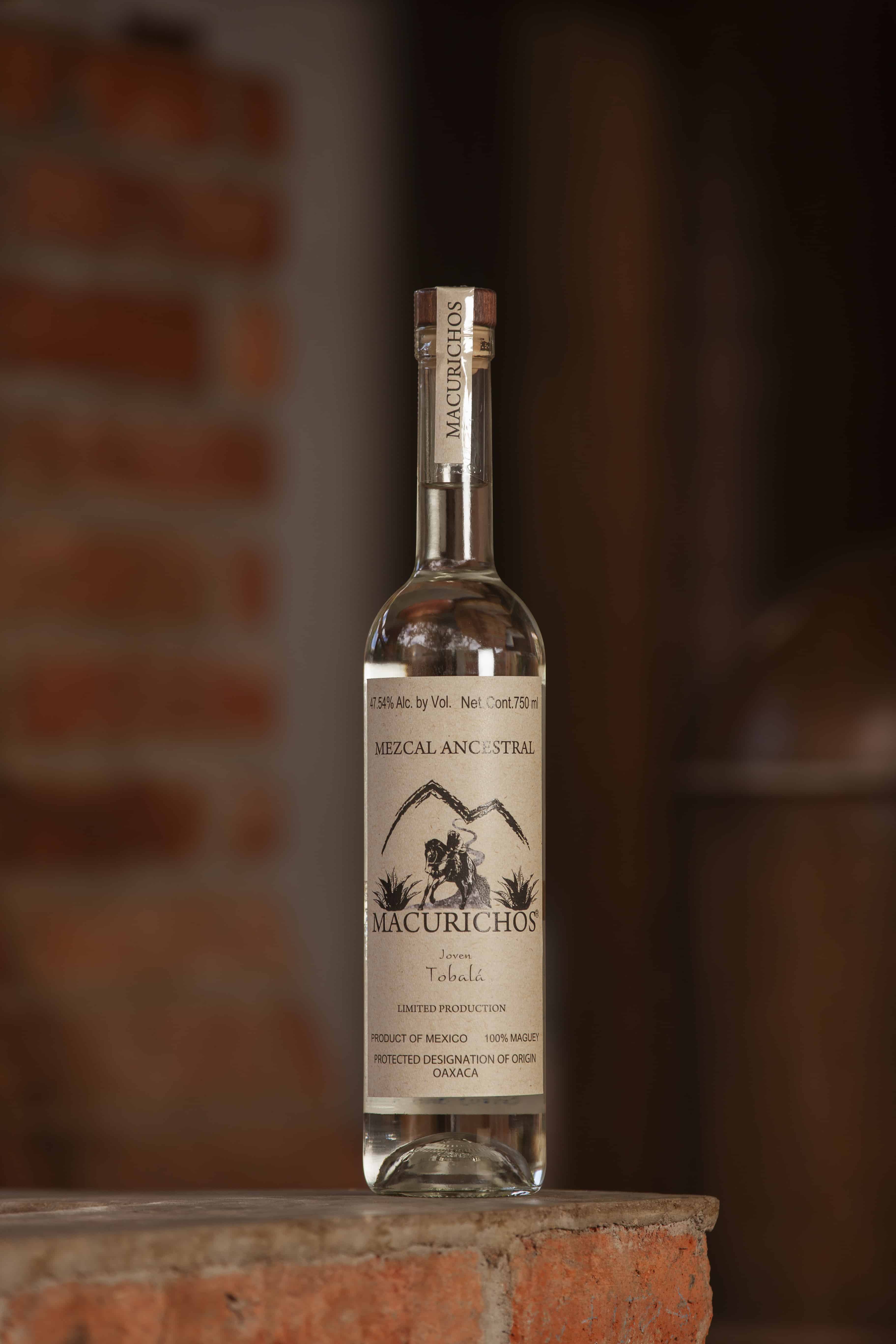
What is ancestral mezcal? If you see a mezcal label that says ancestral, it means that the spirit was produced using specific processes that are considered more traditional. The ancestral category was created to differentiate the mezcal producers who adhere to the most old-fashioned processes–such as baking the agave in a stone pit. The category was created when the revised mezcal norm passed into law in 2017, after much controversy. Read the entire entry for mezcal ancestral here. Other Mezcal Encyclopedia entries for “A” include Artesenal and Aguardiente.
B is for Bacanora
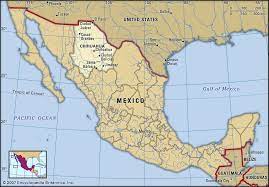
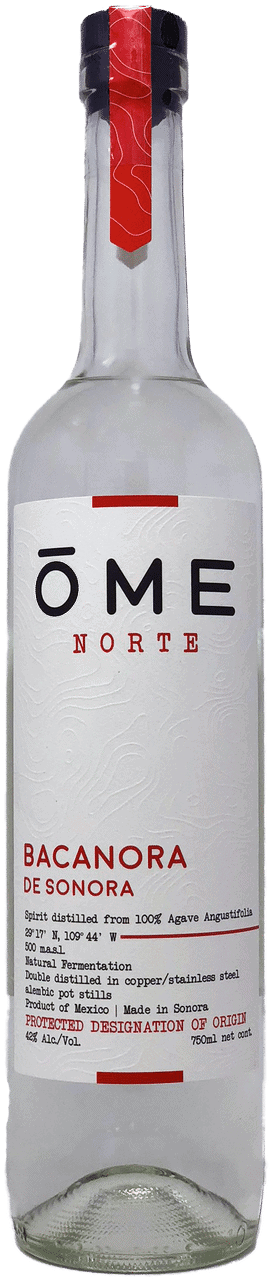
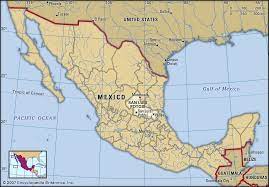
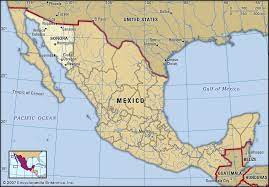
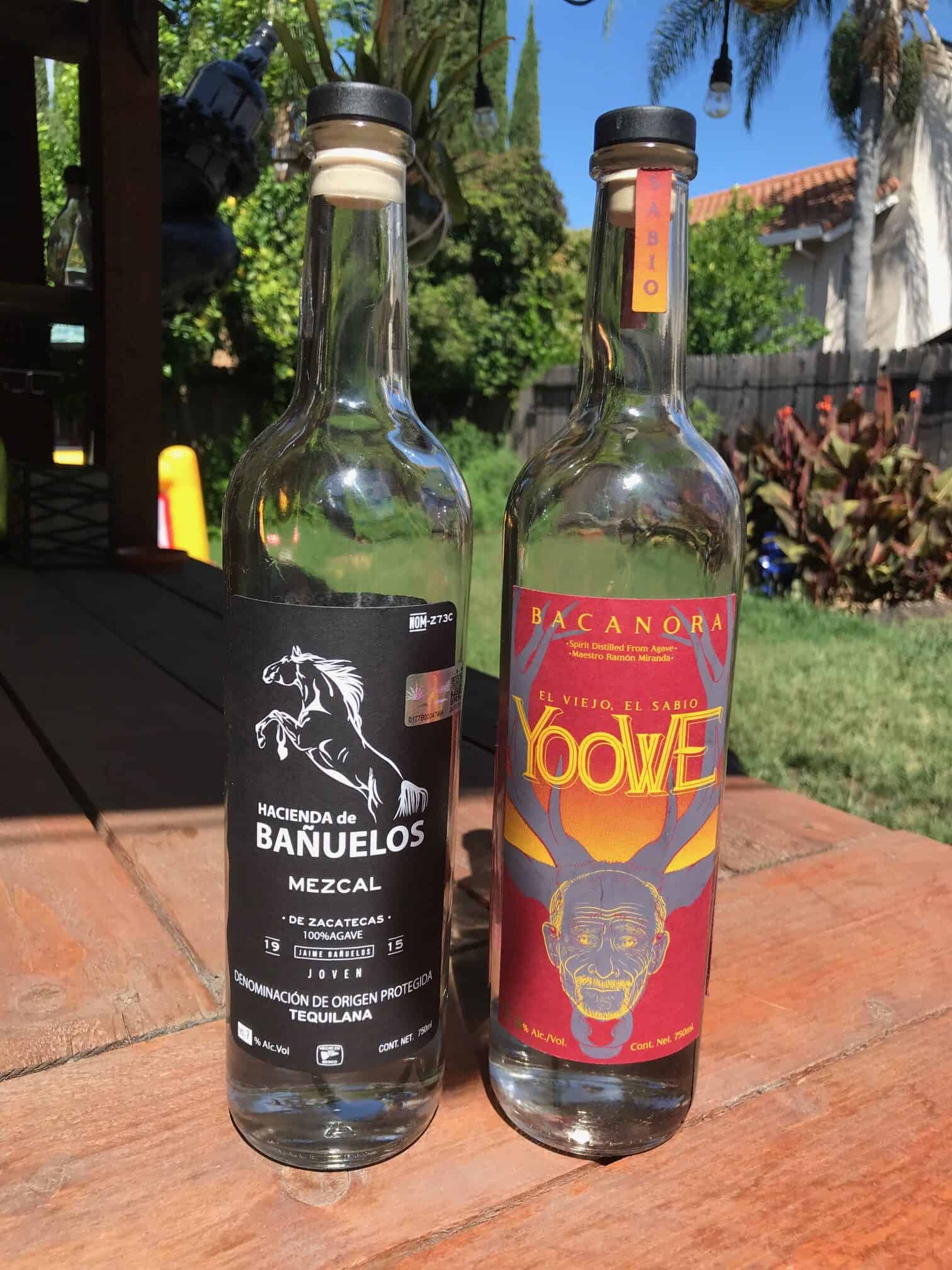
Bacanora is a regional mezcal from the state of Sonora, Mexico. Bacanora is 100% agave and distilled twice. Because the liquor falls outside of the denomination of origin (DO) for mezcal, it can not be labeled as such. However, locals may refer to bacanora as mezcal or vino. Explore Bacanora 101 or read about an adventure through bacanora country.
C is for Colas
In Spanish, cola means “tail.” In mezcal lingo, colas refers to liquor that emerges during the final stage of the distillation. Colas tend to be lower in alcohol and are typically blended into the final product to adjust the ABV. Learn more here. Other Mezcal Encyclopedia entries for “C” include Canoa and Cristalino.
D is for Destilado
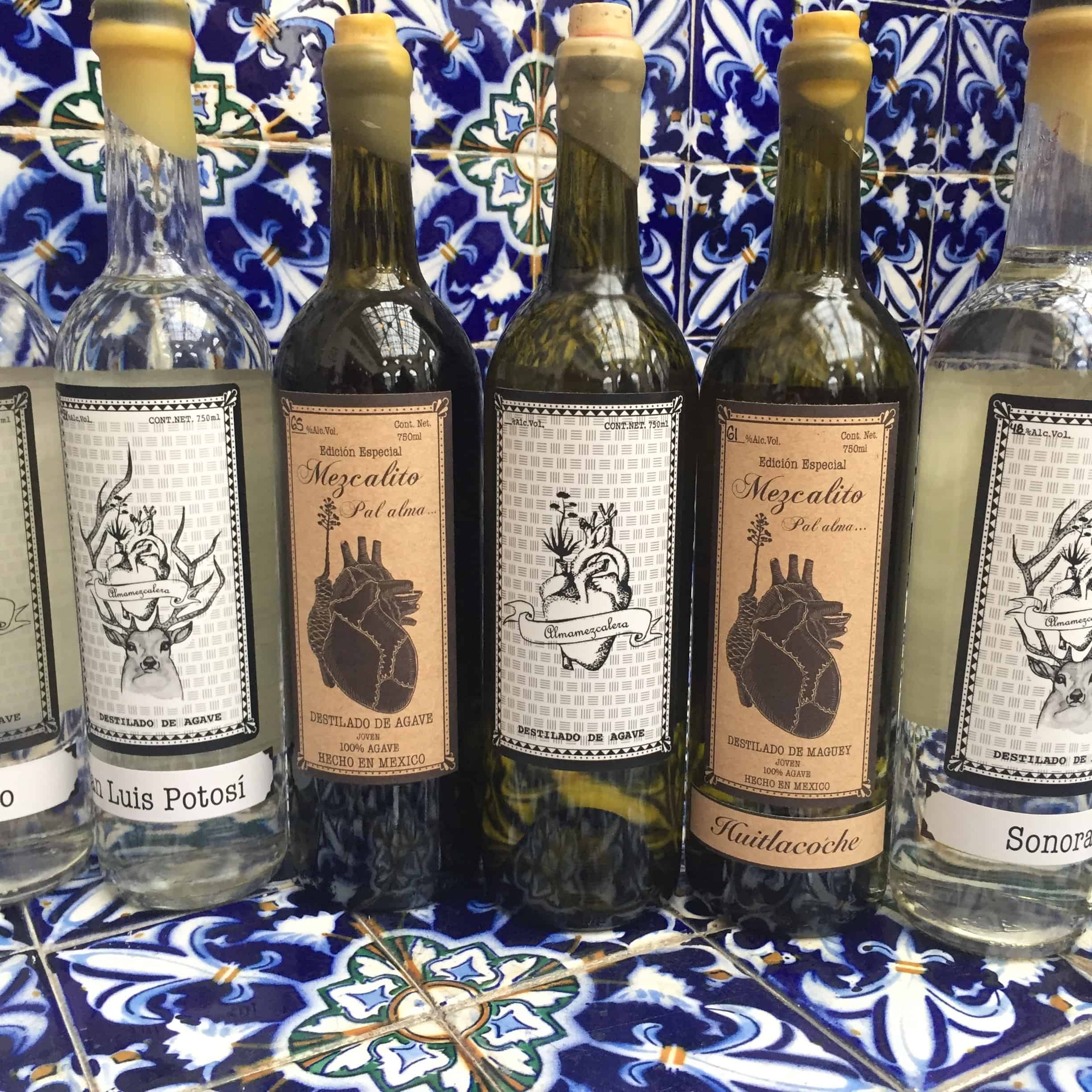
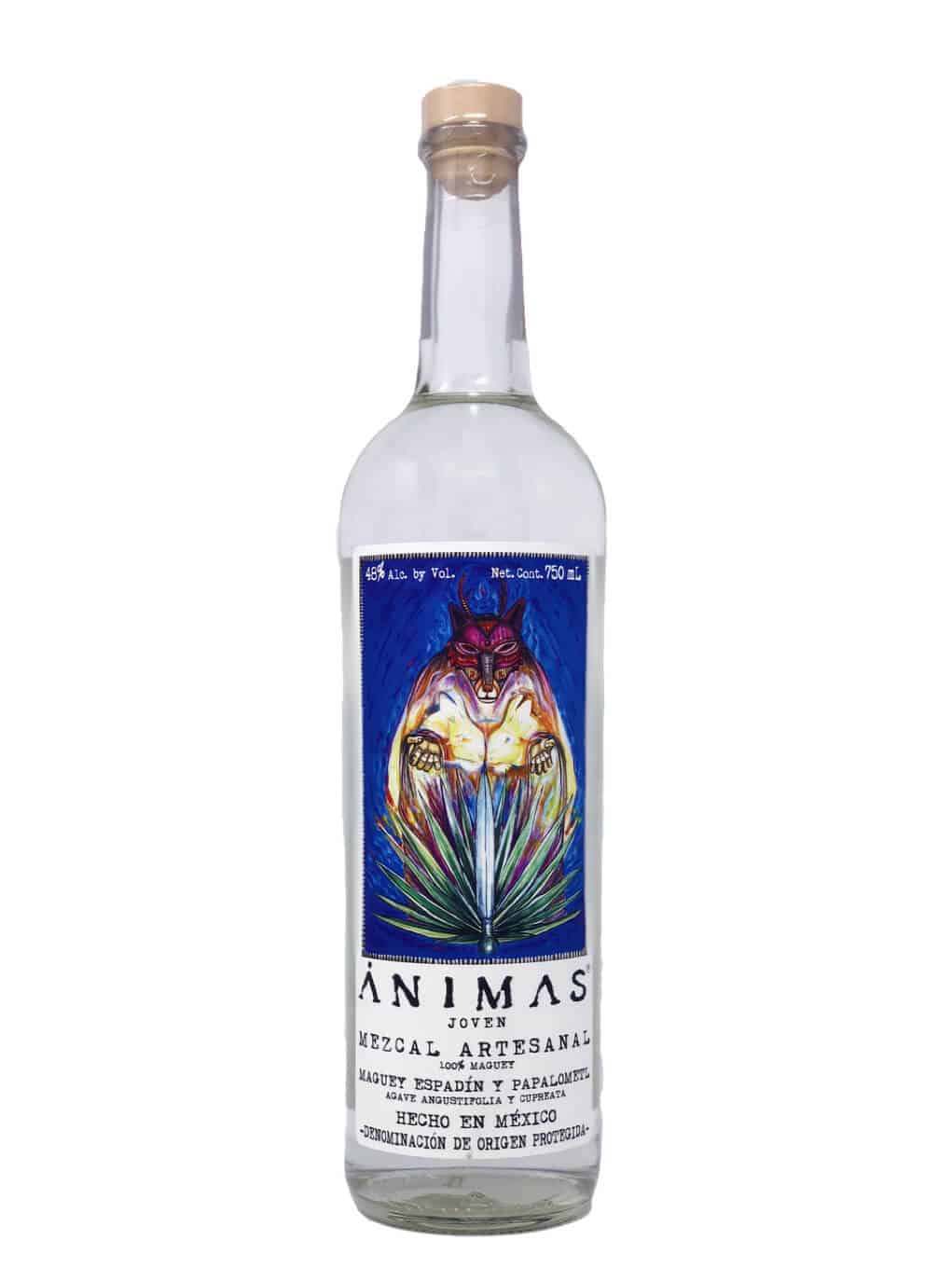
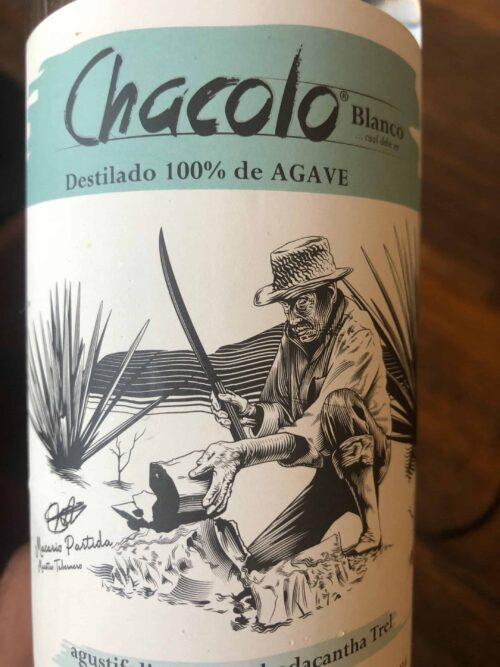
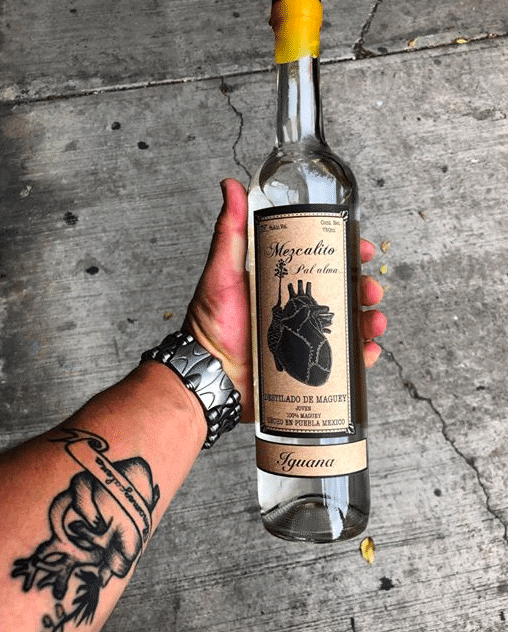
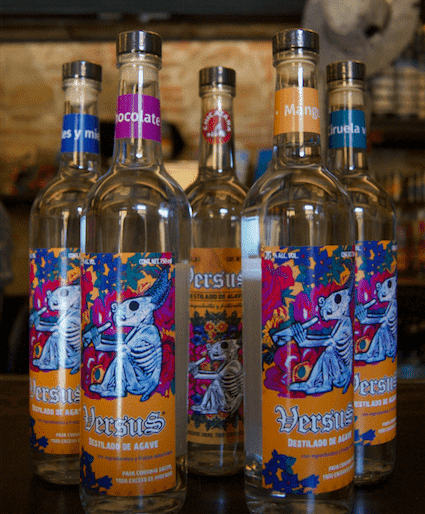
As you may have surmised, destilado de agave translates to agave distillate. A destilado de agave is a tequila or mezcal that cannot be legally labeled as such. Why? Some agave spirits, like Chacolo, are made outside the denomination of origin (DO) for mezcal and therefore cannot legally be labeled mezcal. (But they also don’t want to.) Why? Learn more here.
E is for Ensamble
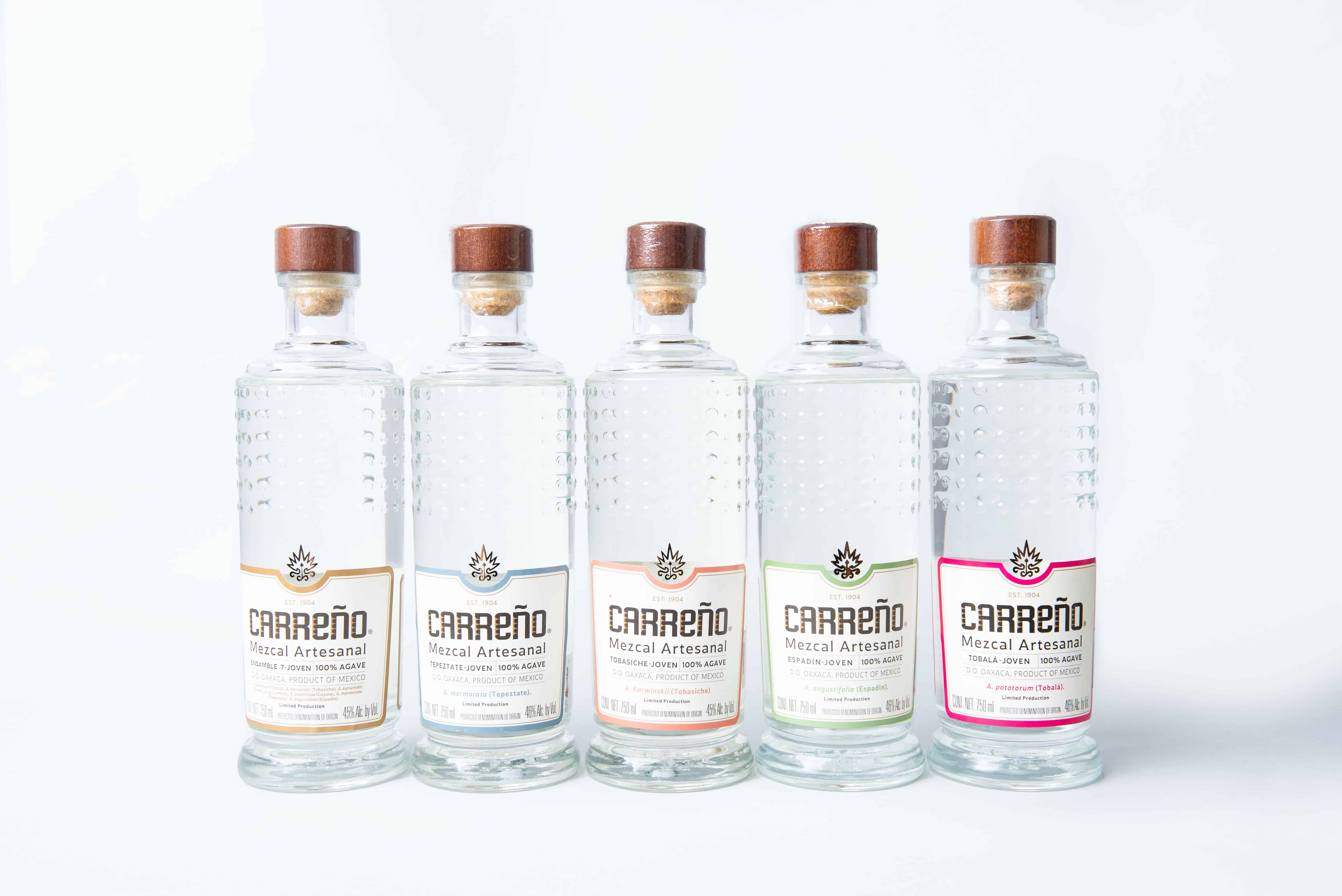
An ensamble, or ensemble, is a mezcal made from different types of agave that are roasted, crushed, fermented, and distilled together. Historically, ensambles were more common than single agave mezcal–at least in regions with a diversity of agave varieties. Learn more here.
F is for Filipino Still
This portable distilling technology was introduced to Mexico by Filipino sailors who manned the Spanish galleons that traveled the trade route from Manila to Mexico. These pot stills may be made from a hollowed-out tree trunk or clay pots, augmented by a copper condenser, and are typically wood-fired. Learn more basics here or explore the story of Filipino immigrants in Mexico.
G is for Gusto Historico
Specific regions have definite preferences for distinct flavors and aspects of mezcal, a taste that should be honored–the gusto historico, or historic taste. In short, the attributes of “good mezcal” vary from village to village. The concept of gusto historico emphasizes the importance of respecting these regional values.
H is for Horno
In Spanish, horno means oven, furnace, or kiln. The word is used to describe the various types of ovens used to cook agave prior to fermentation and distillation. Horno may refer to an earthen pit, a domed clay structure resembling a pizza oven, or other variations. Learn more here.
I is for Ixtle
From the Nahuatl ixtli or ictli, the word refers to the stiff plant fiber used in making rope, brushes, bags, rugs, and other items. The fibers come from agave plants or from yucca. Learn more here.
J is for Jicara
In Spanish jicara means both cup and gourd. In the mezcal world, a jicara is a small mezcal cup made out of the dried fruit of the Crescentia cujete tree, or treegourd. Learn more here.
K is for…We’ll get back to you on that.
L is for Levadura
Levadura is the Spanish word for yeast. Traditionally, mezcal is distilled from the juice of roasted agave fermented by these wild yeasts, with added help from other microbes. The species of yeasts endemic to a mezcal-producing region (and the genetic variations within those species) contributes to the terroir of agave spirits. Learn more basic information here or check out a deep dive on fermentation.
M is for Mosto
Mosto, or “must” is the term used for the fermented agave juice that is distilled to make mezcal. The term mosto vivo, or living must, describes fluid that is actively fermenting, while mosto muerto, dead must, describes the fermented liquid, akin to beer, that is ready for distillation. Learn more here. Other entries for “M” include Mixto.
N is for Norma
NOMs are sets of rules that govern Mexican industries–in other words, the established norms (normas in Spanish.) Tequila has a NOM, as do mezcal, bacanora, and sotol. Raicilla will supposedly have one soon. Learn more basic info here or read a rundown of the mezcal norm.
O is for Ordinario
In the world of mezcal production, ordinario means “the first distillation.” Ordinario is distilled a second time to make mezcal, raicilla, or bacanora. (Although some raicillas are only distilled once.) Learn more here.
P is for Palenque
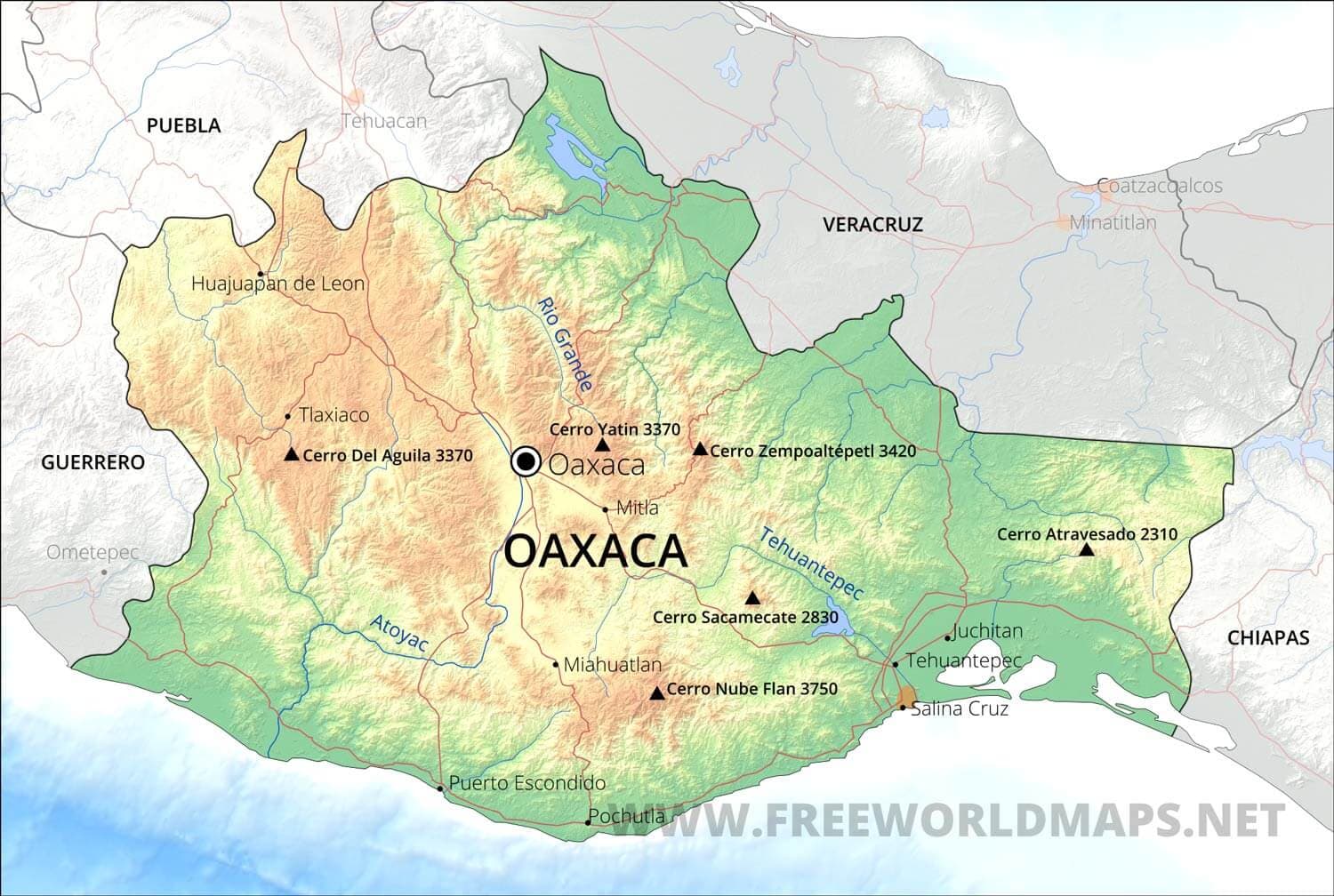
Palenque is the word for a mezcal distillery in Oaxaca. Palenques come in many shapes and sizes, from very rustic structures without walls to large, modern facilities. A palenque typically houses tinas (mezcal fermentation barrels), stills (which also come in many shapes and sizes, from Filipino-style to alembique), and a tahona or a mechanical shredder. Learn more here.
R is for Refrescadera
A refrescadera is a modified version of a metal pot that’s placed over and around the montera (cap) of copper stills. This pot includes two lateral pipes: an inlet and an outlet, which allow for the continuous circulation of fresh water. During distillation, the mezcalero runs water through the refrescadera, creating external cooling along the surface of the dome. This allows the internal volume of the montera to remain at a lower temperature. Learn more here, see our deep dive on the origins of the refrescadera, or check out other “R” entries such as Reposado.
S is for Silvestre
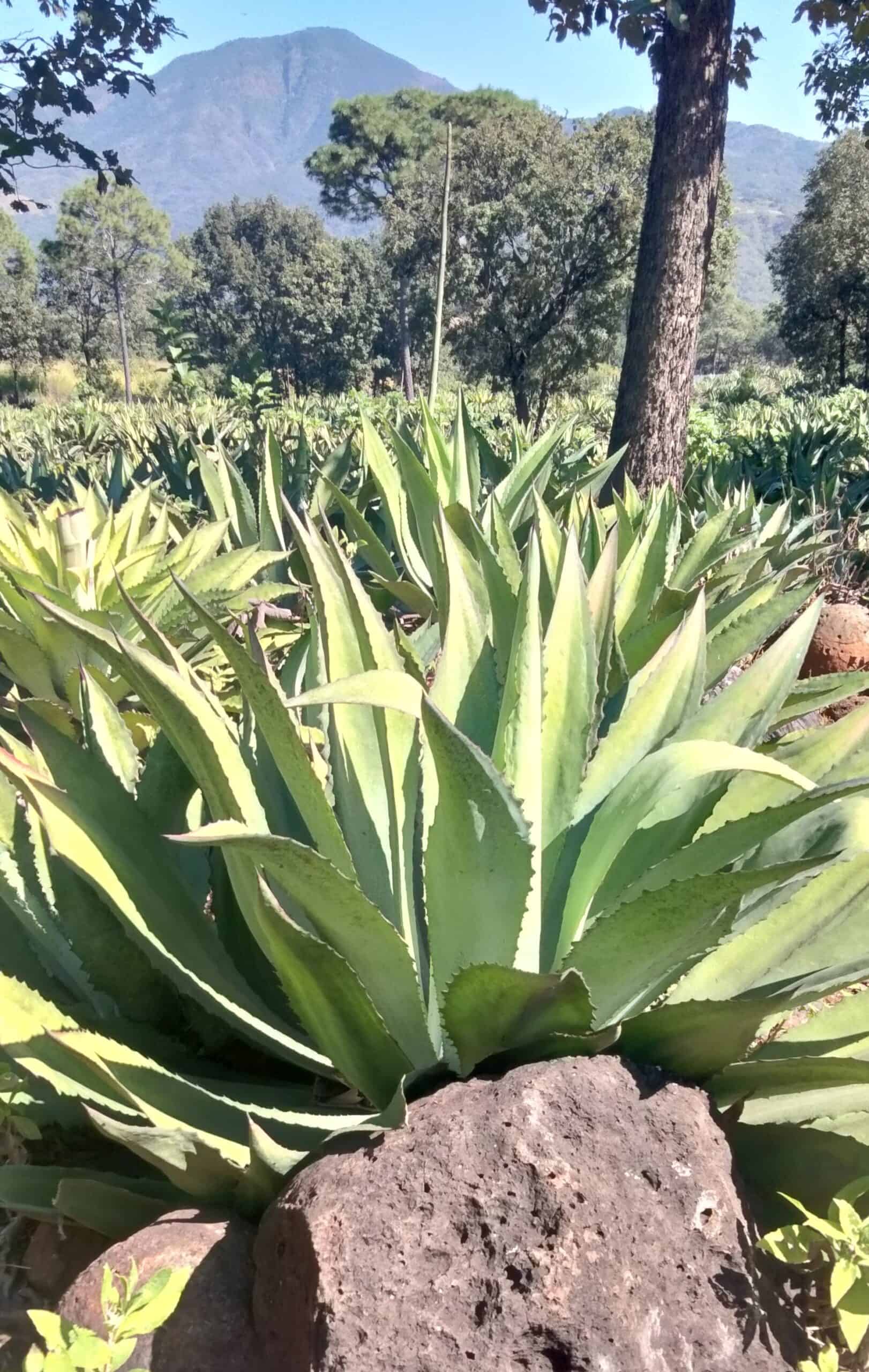
Silvestre means wild. In the mezcal world, it means wild agave. The mezcal made from agave silvestre tend to taste extremely different due to greater genetic diversity and the environmental conditions that the plants survive. Mezcal made from agave silvestre is prized and often more expensive, which led to the deforestation of wild plants. Some producers are trying to rectify this by either cultivating agave varieties that were once considered silvestre or replanting agave in wild lands. Learn more here.
T is for Tina
Tina means tub, bathtub, vat, or large jar. In the world of mezcal, the tina is the tank where agave is fermented prior to distillation. The oldest documented agave fermentation vats are stone cavities. These days, tinas may be made of stone, wood, masonry, stainless steel, animal hides, or even plastic. The wooden tina is predominant in Oaxaca, where the majority of commercial mezcal is produced. Wooden tinas are made with care–and therefore costly. Learn more general information about tinas here.
U is for…Uh, we got nothing.
V is for Vino
Vino means wine in Spanish, but historically could also refer to liquor. For instance, mezcal was known as vino de mezcal or vino mezcal. In some parts of Mexico, particularly rural areas, people still call mezcal “vino” and agaves “mezcales.” We see this echoed in the word vinata, which is the word for mezcal distillery in many parts of Mexico. Learn more here.
Got a word you’d like to see in the encyclopedia? Tell us in the comments section below.









































Leave a Comment