
North American bar professionals are getting creative with cacti, ranging from nopal martinis to garumbillo cocktails. Laurel Miller on these thoughtful bar programs and what to be aware of when cacti is in the mix.
For thousands of years, the Indigenous peoples of Mexico and the American Southwest have relied upon cacti and their fruit for sustenance and ritualistic consumption. As with other Mesoamerican ingredients, it was thus only a matter of time before these desert-dwelling plants found their way into cocktails, sodas, and wellness beverages.
Due to its geographical ubiquity, nopal (genus Opuntia), also known as prickly pear, is by far the most used cactus. Nopal fruit, called tunas, are widely available and add vibrant color and flavor to drinks, but their use behind the bar has primarily been limited to familiar formats like the Margarita.
Fortunately, bars like Mirate in Los Angeles and Bar 1912 in Phoenix are finding innovative ways to incorporate cactus, cactus fruit, and other pre-Hispanic ingredients into their education-forward menus, using the plants to spectacular effect in syrups, infusions, purees, and other components. Key to their programming is maintaining the integrity of the ingredients and respecting the cultures they are drawn from.
“Cacti, especially the nopal, held profound cultural significance for many Indigenous peoples of Mexico,” says Mesoamerican researcher, writer, and educator Maite Gomez-Rejón. “For the Mexica, the nopal was connected to their origin story and the founding of Tenochtitlan. The image of the eagle perched on a cactus became a powerful symbol of identity that endures on the Mexican flag today. But beyond symbolism, the nopal was also a vital food source, valued for its versatility and resilience.”
The fleshy paddles, seeds, and fruit of nopal were a nutritious food and beverage source for the Coahuiltecans, Tohono O’odham, Otomi, and other Indigenous peoples. Nopal was also used as a medicinal, as well as a fuel and a source of fiber. Its spines became sewing needles, and textile dye was made from cochineal, a resident scale insect that feeds on the pads.
Fruit from species like nopal, cardón, and saguaro also yielded fresh and fermented beverages. In a January 2026 scientific paper for the Journal of Ethnobiology, ethnobiologist (and Mezcalistas contributor) César Iván Ojeda-Linares and his co-authors write,
“Fermented beverages made from cactus fruits hold deep historical, cultural, and nutritional significance in arid and semi-arid regions of Mexico and the United States…One example is colonche, a traditional beverage made by open fermentation of prickly pear fruits, particularly Opuntia streptacantha, in the Central Mexican Plateau. Similarly, the Comcaac (Seri) people of the Sonoran Desert prepare imám hamaax (pitahaya wine) from Pachycereus pringlei [Mexican Cardón] fruit.”
While the use of cacti in cocktails isn’t inherently controversial, the context can stir debate. “Many of (the ingredients) used for this type of programming were considered sacred by Mesoamericans, but they can also be subject to debate due to sourcing, species, or overharvesting, as with palo santo,” says Max Reis, beverage director at Mirate. “You have to do your research and ask where things are coming from and how they’re grown or harvested.”
Adds Gomez-Rejón, “I’m a big fan of all the incredible agave spirits and ingredients that come from Mexico, but education is important. Understanding what we’re drinking, who made it, and the cultural traditions behind it is essential.”
The takeaway, for Reis, is performing due diligence while encouraging guests to learn about and try new things that hopefully encourage them to return. The approach needn’t be heavy handed or pedantic, either.
“We call what we do at Mirate edutainment,” he says. “We tread lightly, serve beverages in traditional format when applicable, and present drinks with respect. It’s about finding aspects of Mexican culture that people might not know about, rather than cherry-picking what’s familiar or preparing ingredients in a way that appeals to everyone. That leads to culture washing.”
With that ethos in mind, cacti offer incredible diversity for bar programs invested in using endemic ingredients in traditional or innovative ways. The following are examples of how bar and culinary professionals are making use of Cactaceae.
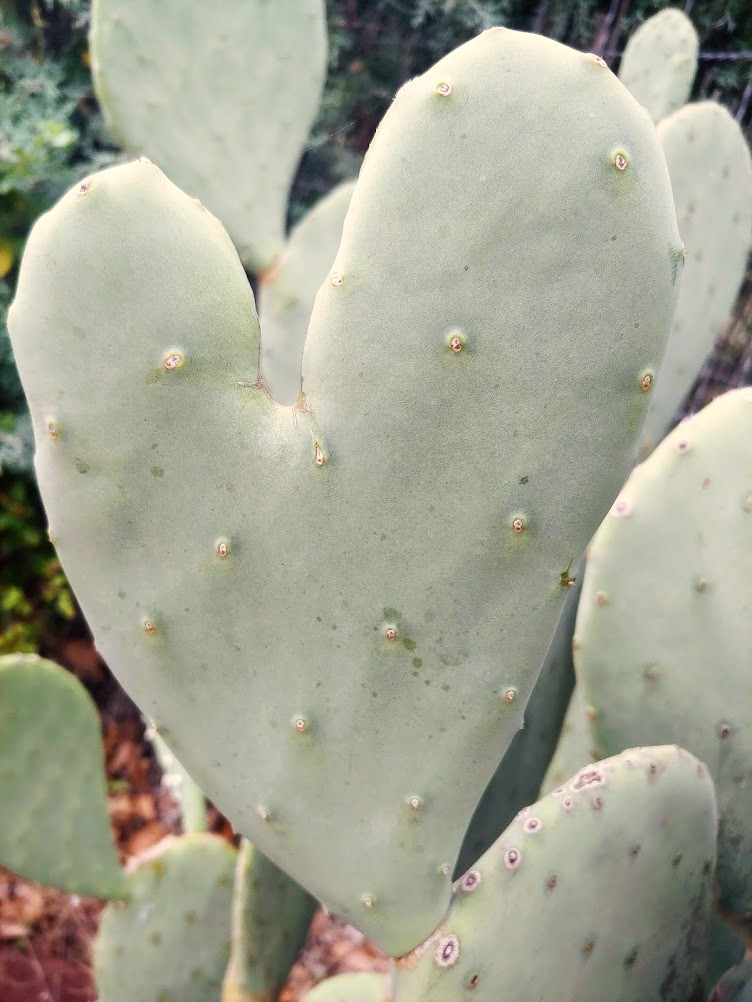
Nopal
Nopal has long surpassed the boundaries of its endemic growing region, if the proliferation of tuna-infused beverages in the marketplace is any indication. Not all of these brands use fruit, however. Colorado’s Dry Land Distillers smokes foraged Colorado nopal over a wood fire for its Cactus Spirit line, and bartenders are also experimenting with the pads, which have a pronounced vegetal flavor that’s often compared to green beans.
Cookbook author Vianney Rodriguez, a native of South Texas’s Rio Grande Valley, grew up collecting tunas and paddles from the roadside and recalls her abuela making aguas, atole, and tea from the fruit. “My mami used to make us jugo de nopal to keep us strong,” she says. She likes to use the pads in electrolyte-rich water or refreshing soda, or as an earthy, herbaceous syrup for margaritas and mezcal cocktails.
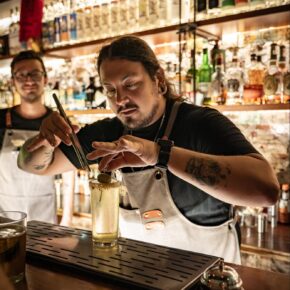
Palace in Santa Fe also uses nopal syrup combined with sotol and lime for its Desert Walker cocktail, while Houston’s Bar Buena makes a nopal shrub for its mezcal-based Manaña. Blaise Faber, co-owner of Phoenix’s Bar 1912, prefers to capitalize on nopal’s mucilaginous consistency, which is akin to aloe vera, in drinks like the Dirty Cactus Martini.
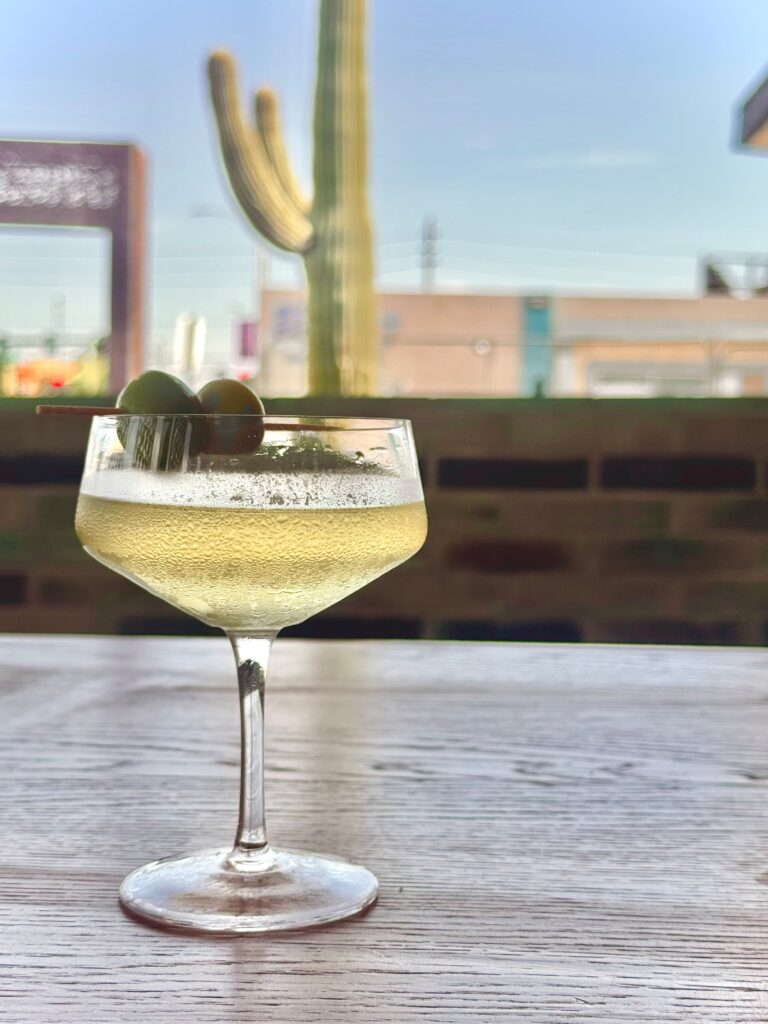
After discovering a vintage vermouth recipe, Faber decided to add nopal to create a foundational spirit from ingredients that reflected the diverse terroir of Arizona. The resulting herbal wine uses foraged nopales in dehydrated and fresh extract forms, augmented by various herbs and fruits including hoja santa, squash scraps sourced from the Tohono O’odham Nation, tomatillo husk, and desert honey.
“For me, nopales are more about texture,” he says. “I incorporated them into a vermouth to increase the body, which in turn affected the cocktail. Most guests want a martini that feels dense, very cold, and a little bracing, and the nopal helped us achieve that. We finish the cocktail with escabeche brine to give it that salty desert vibe.”
The goal, adds Faber, was never about making a cactus martini, but rather, creating “a better martini that happened to express Arizona. We always strive to make drinks that feel grounded in place and tradition. Ingredients like nopal aren’t there for novelty, but rather because they contribute something meaningful to the end result, while also telling a story about where we are.”
At Mirate, Reis uses nopal juice in drinks or fries scraps from the kitchen. The latter are dehydrated and powdered for use as a garnish. “The flavor is reminiscent of chapulines, a bit earthy and umami,” he says.
For his El Güero cocktail, Reis makes an aguachile syrup from cucumbers, chiles, cilantro, and citrus, and adds nopal granita sourced from the kitchen. The syrup and granita are added to a shaker along with avocado-washed Don Fulano Fuerte and Kalani, a Yucatecan coconut-rum liqueur, with the resulting cocktail served over a large rock, with a sea bean salt rim.
“The granita adds a beautiful depth and texture to the drink, amplified by the roundness and creaminess of the Kalani,” says Reis. “Finding unknown or misinterpreted ingredients like nopal is largely what our bar program is built on, along with pushing guests out of their comfort zone. I love nopal because outside of cultures that typically use it, it’s such a misunderstood ingredient.”
Reis started experimenting with nopal because of its ubiquity, even in an urban metropolis like Los Angeles, but he also appreciates its sustainability and nutritional benefits. Like Faber, he finds the plant’s controversial texture an asset for bar use.
“Nopales are similar to vegetable glycerin, with a mild, vegetal, herbaceous quality,” says Reis. “They’re more complex than, say, snap peas, but you need to use them judiciously to avoid any sliminess.”
Cactus Fruits
Tunas are typically eaten after their skin, which is full of spiny glochids, is removed. The fruit comes in a variety of colors–magenta, pink, purple, yellow, green, and white, depending upon the species and ripeness. The pinkish fruits have hints of watermelon, bubble gum, and raspberries. The green Opuntia xoconostle or joconostle are tart, with hints of kiwi or melon, says Rodriguez, who likes to cook them down with sugar for an addition to agave spirit-based cocktails.
Tunas were a valuable food source for many Indigenous communities, consumed fresh, cooked, or dried, or in juice or colonche and nochoctli. There is some dissent over the latter, which is variously described as analogous to colonche, or colonche with pulque added to it.
“I would be cautious about treating (them) as either completely synonymous or as two distinct beverages,” says ethnobiologist César Ojeda-Linares. “One of the things I’ve found in the field is that there is considerable variation in how these beverages are prepared, named, and fermented; different producers, cactus fruits, and communities can follow different practices. The terminology and preparation may vary geographically, as well.”
He adds that in some instances, pulque is added as an inoculum to initiate or accelerate fermentation, while in other circumstances, the cactus juice ferments spontaneously without pulque.
Distilleries are also embracing tunas for use in a variety of spirits. Mexico’s esteemed Condesa Gin makes an aromatic rendition with orange blossoms, and California’s Ventura Spirits makes an award-winning opuntia brandy from the fruit. In Texas, where prickly pear is the official state plant, distilleries like Waterloo Gin (Prickly Pear and Rose Gin) and Western Son Distillery (Prickly Pear Vodka) make good use of the abundant fruit.
Austin-based High Desert Vodka sources its tunas from a historic rancho in San Luis Potosi, where the spirit is distilled. Produced in small, traceable batches, the vodka has a tequila-like profile with “soft, earthy fruit notes and an aromatic, terroir driven nose,” says Erin Ashford, co-owner of Holiday on 7th in Austin. “It brings a complexity you rarely find in vodka, and drinks more like an agave spirit. It pairs well with citrus-forward cocktails like highballs, spritzes, and palomas.”
Mesoamerian-centric bar programs are constantly finding new ways to use cactus fruit in cocktails, as with El Gallo Altanero’s Tuna, made with joven tequila, Sake Nami, xoconostle puree, and basil. The Guadalajara bar, ranked one of North America’s best, also makes a namesake Garambullo cocktail where a shrub featuring the berry-like fruit of the cardón cactus (Pachycereus pringlei) is added to gin and soda water.
According to Masa Americana, a blog that provides a “naturopathic view of the culinary and medicinal sciences of the Americas,” garambullo is technically the fruit of the Myrtillocactus geometrizans, also known as the blueberry, whortleberry, or bilberry cactus. Confusingly, the similar fruits of other species are also known as garambullo, including Lophocereus schottii or senita cactus, and the aforementioned cardón.
Garambullo from Myrtillocactus is native to the high-desert regions of northern and central Mexico, and a staple food of the Otomi. Given its blueberry-like flavor profile, it’s unsurprising it’s found a place in regional bar programs, while in Zapotitlán, garambullo is used for a regional liqueur, licor de garambullo, well as agua frescas and atole.
At San Miguel de Allende’s Bar Azul, garambullo is used in the Red Dame, which also contains mezcal, damiana liqueur, cardamom syrup, lime, Prosecco, and sparkling water. TONANA at Casa Hoyos, also in San Miguel, makes sorbet from locally foraged garambullo to add freshness and texture to the Garumina, which also contains tequila blanco, Italicus, oleo saccarum, and lime.
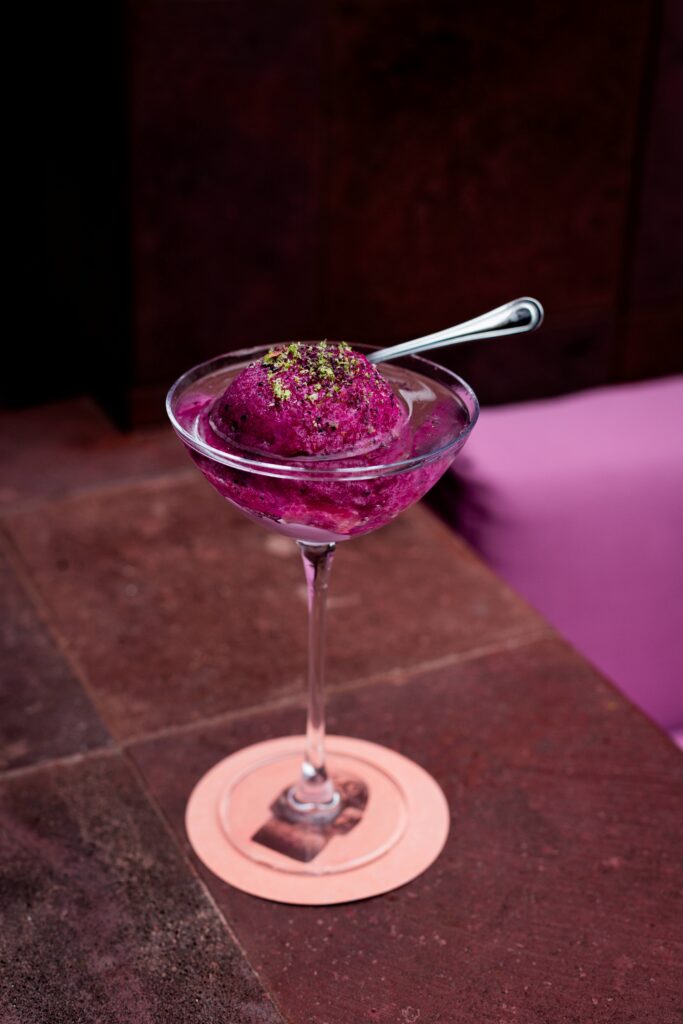
“The garambullo is the heart of this cocktail,” says TONANA co-founder Oscar Valle. “We use wild fruit, which has a brilliant fuchsia color and delicate, berry-like flavor that’s subtly floral and deeply tied to the land. We created this drink to honor San Miguel de Allende and the essence of Guanajuato.”
While not as popular as garambullo, some bar programs and foragers are also experimenting with the buds of the cholla cactus, which is native to the Southwestern US and northern Mexico. Faber sources from a nearby Tohono O’odham cooperative, then pickles the buds for use as a cocktail garnish.
While he describes the buds as tasting, “somewhere between asparagus and cucumber,” members of the Southwest Foraging Facebook group post about infusing them in vanilla or ginger-spiked simple syrup for use in cocktails or sodas.
The sugary fruit of the saguaro cactus, called bahidaj by the Tohono O’odham, is fermented into a ceremonial wine, but because the cactus is a protected species, the fruit isn’t commercially available. The Seri people of coastal Sonora also use the fruit, “crushed, juiced, boiled, and fermented to produce a wine similar to colonche,” says librarian and writer Analú María López.
The Sonorense use pitaya, the fruit of the organ pipe cactus (genus Stenocereus areare) as an infusion for agave and other spirits. The cactus is widespread throughout Mexico and parts of the Southwestern US and pitaya has historically been used by Indigenous peoples but is also unavailable commercially. According to John Vena Specialty Produce, the fruit has delicate skin and short season, which renders it difficult to sell as a commercial product.
Pitaya is frequently confused with pitahaya, also known as dragon fruit. This fruit of the climbing cactus (genus Selenicereus, formerly Hylocereus) is found throughout the Americas. In the early nineteenth century, French colonists and missionaries introduced pitahaya to Vietnam, and it is now cultivated in Asia, Australia, parts of the US, and the Middle East.
Pitahaya has jumped the shark, so to speak, in the US. Fast food chains and grocery stores are rife with promotional and canned beverages containing the fruit; even Starbucks offers a blended “Dragon Drink.” Yet, despite its omnipresence in the RTD (ready-to-drink) space, pitahaya hasn’t been embraced by bar programs, other than use in margaritas.
Pitahaya aside, the benefits of incorporating cacti into cocktails goes far beyond flavor profiles. Education-focused Mesoamerican and Mexican-coded bar programs help foster cultural understanding and, in some cases, provide nominal income to local Indigenous communities through sourcing practices. While yielding an excellent drink is the goal, it also provides a platform in which to inform.
“I don’t think these ingredients need to be avoided or kept in a vacuum, but they do need to be approached with respect and curiosity,” says Gomez-Rejón. “When bar professionals take the time to learn from and credit the communities connected to the plants, honor their stories, and educate their consumers, these foods can become a bridge to deeper appreciation of a culture and craft. There’s nothing better than starting a conversation over a creative and delicious drink.”







Leave a Comment