The occasional rundown of new or new-to-us mezcal brands and other Mexican spirits that have landed on my home bar.
It has been a slow year–at least when it comes to new bottles crossing my desk–so this is not a big list!
Tequilas and mezcals
Founded in 2010 by José P. Rodriguez Samano and Sergio Cruz and relaunched in 2022 with Melissa Mathieson and Master Distiller Daniel Popolizio Tuesta, NOCK Tequila combines “traditional Mexican heritage with modern production methods to create premium, additive-free tequilas and mezcals that are affordable.” The company eventually expanded its portfolio with mezcal, partnering with Maestro Mezcalero Miguel Martinez in San Dionisio Ocotepec, Oaxaca.
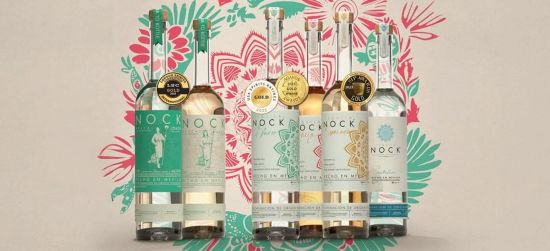
Its tequila expressions include a blanco, reposado, añejo, and cristalino, all with an ABV of 40%.
They currently have two expressions of mezcal, a joven and an añejo, both with an ABV of 42%. Martinez has produced mezcal for other labels but is a partner in the NOCK structure. Both of these expressions are made from mature espadín (7+ years) cooked in an in-ground oven lined with volcanic stone, crushed by stone tahona, fermented in oak barrels, and double distilled in copper. The añejo was aged for one year in bourbon barrels.
The joven was very bright, dry and slightly effervescent. The añejo was the real surprise and a huge contrast with NOCK’s añejo tequila. The añejo mezcal had the classic aged notes of vanilla and caramel, but they were very delicate and the roasted espadín was still the predominant flavor (always a positive!) The añejo tequila was the polar opposite, with the agave flavor notes lost in the vanilla and spice notes. We played around with the añejo mezcal in a few cocktails and it worked really well, especially in a Manhattan. It would also work well in a Carajillo.
Electrico was born from a musical collaboration. Musician Kathleen Blackwell, music producer Ronan Chris Murphy, and sound engineer Diego López had been working together on various albums. At Diego’s recommendation, the group went to Oaxaca (Diego’s home state) to record with local musicians. From there, a series of meetings and introductions led them to Maestro Mezcalero Cirino in the town of San Baltazar Guelavila.
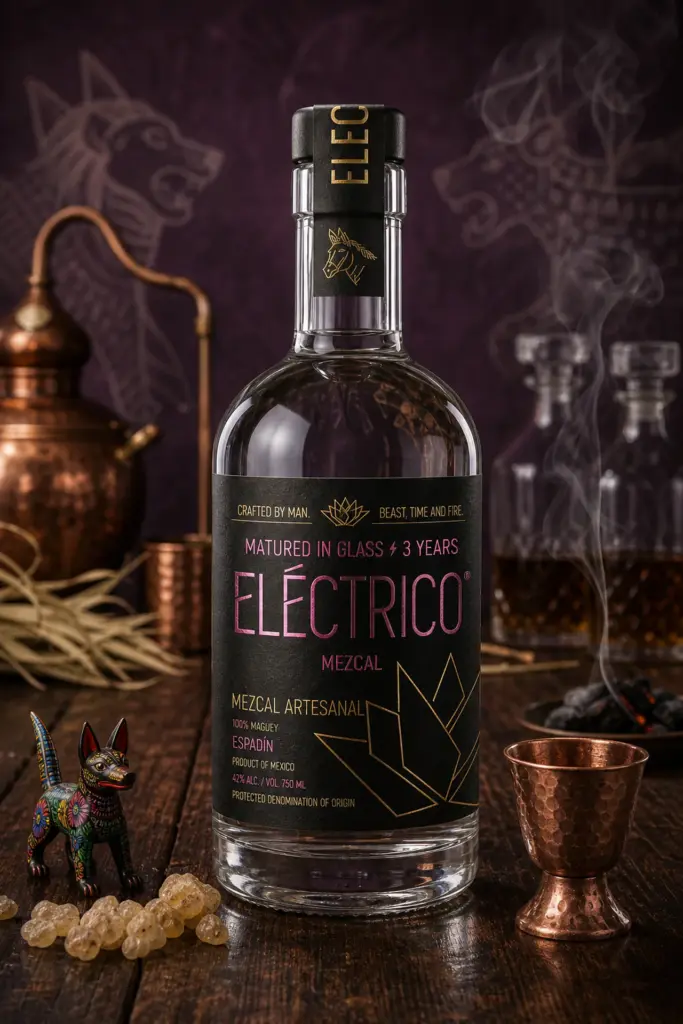
The full portfolio includes eight expressions: Espadín (43%), tobalá (42%) espadín distilled with coffee (42.7%), espadín distilled with lemongrass (42.7%), espadín matured in glass for seven years (42.7%), espadín matured in glass for three years (47%), jabalí matured in glass for three years (45%), and tobalá matured in glass for three years (43%). All of the mezcals are made with mature agave, roasted in an in-ground oven, crushed by tahona, fermented in oak barrels, and double distilled in copper.
The espadín matured in glass for three years was everything you want from a rested mezcal: perfectly balanced flavors of roasted agave, spice, and dried fruit with a little bit of a green or vegetal undertone. This was the only expression we were able to try, but we are looking forward to tasting the full line at the upcoming Mexico in a Bottle San Francisco on November 8th.
Sotol
The name Naiche comes from Chief Naiche, the last hereditary leader of the Chiricahua band of Apache who roamed the desert southwest from Chihuahua and Sonora to Arizona and New Mexico. Chief Naiche was the son of the great Apache warrior Cochise.
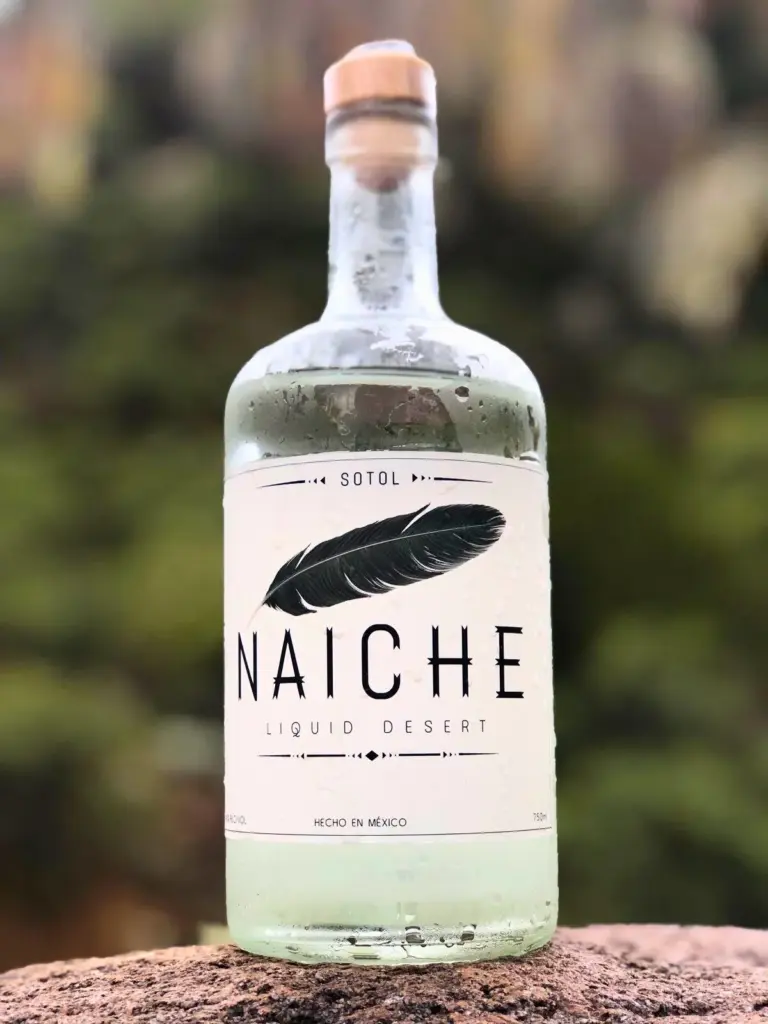
Naiche Sotol was founded by Patricia Zavala Kugler and launched in Colorado late last year. It is produced in Chihuahua by Juan Pablo Carvajal, who works with several sotoleros to create not only Naiche but also Los Magos. Naiche Sotol really captures the flavors we associate with desert sotols (vs the mountain sotols.) It is green and grassy with an underlying minerality. It’s cooked in an in-ground oven with a mix of cottonwood, oak, and mesquite and double distilled in copper. It has an ABV of 42% and is an easy introduction for folks trying sotol for the first time. You can learn more about sotol in our Sotol 101.
Sotol sidebar
On a side note–We hear a lot about how sotol is the next big thing, but the reality is that the market is currently filled with a handful of producers making sotol for a variety of brands. This is both a good thing and a slightly frustrating thing. Good thing because these guys are doing a great job of introducing people to sotol and building a market. It can also be frustrating because it gives a sense that there are only a handful of producers when the truth is there are so many more! Hopefully through events like Sotol Week the market will open up to more small producers.
Agave gin
Puesto Gin is the newest spirit from Puente Internacional, the group behind La Luna Mezcal, Tequila Gran Dovejo, and Gustoso Rum. It just launched in the market.
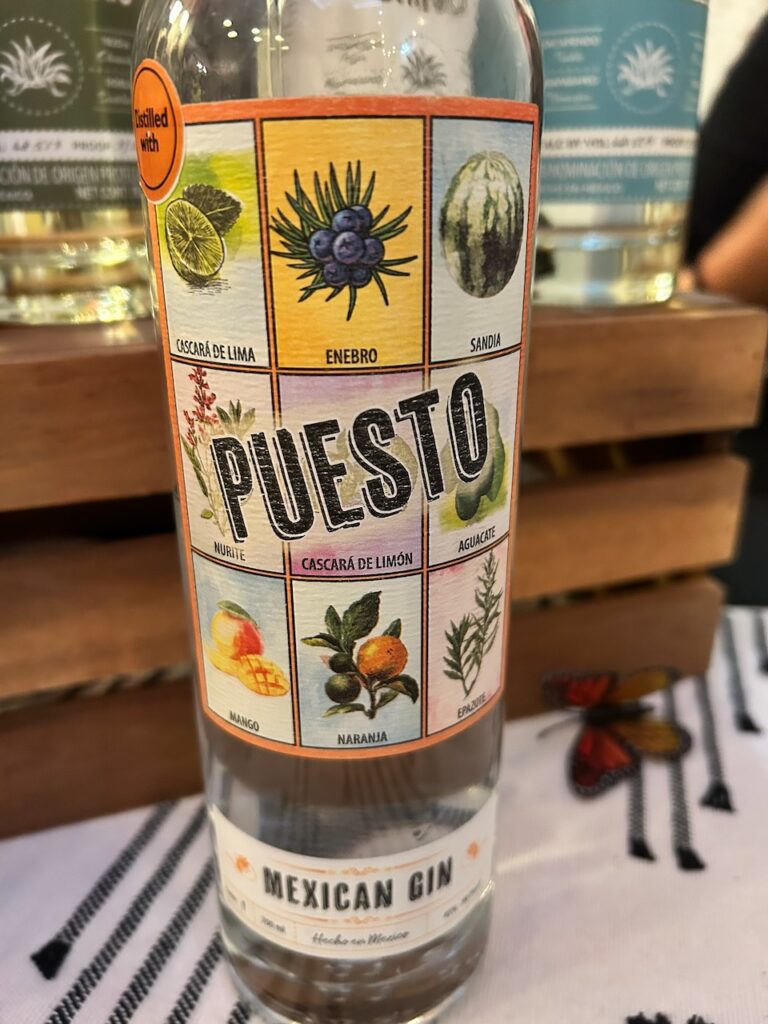
The gin has an agave spirit base and the idea behind the gin (and name) was to build the flavors off of botanicals found at typical puestos or market stands. The different botanicals used are shown on the bottle label and include citrus, watermelon, epazote, juniper, avocado. It is fruity on the nose and very citrus and herbal flavor forward. It clocks in at 45% ABV. While it is currently hard to find on the shelves as it just launched, you’ll be able to taste it at Mexico in a Bottle San Francisco on November 8th.
What the?
Ola Sol “Humo” Agave Wine
Given the market direction of low to no alcohol drinks, making a low ABV mezcal (or tequila) makes sense. The devil of course is in the details because any agave spirit below 35% ABV cannot be labeled a mezcal or tequila according to the denominaciones that cover them. Hence, the wording of wine. The 24% ABV places this in a wine classification in the United States, which means that bars and restaurants that have a beer and wine alcohol license but not a spirit license can sell this product.
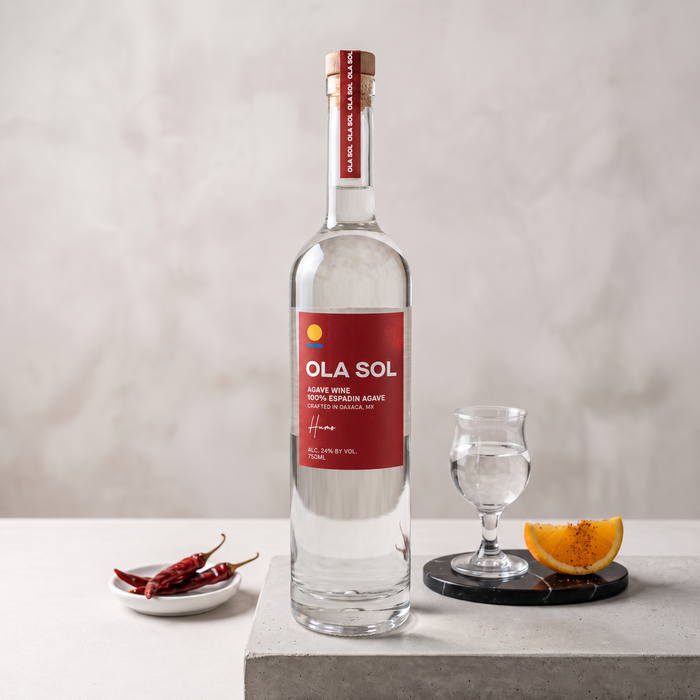
Says Ola Sol, “Humo is made entirely from espadín agave grown in Oaxaca and fortified with mezcal brandy distilled from the same agave, producing a spirit-forward smoke profile inside a wine classification.”
It is the use of the words mezcal brandy that confuses me, and perhaps that is because the company is restricted legally by how it can describe the juice. The process is like making mezcal–the agave is cooked roughly five days in underground earthen ovens, crushed on a tahona mill, fermented naturally for about 15 days, and distilled in copper pot stills. We have not had a chance to try it yet. We have had low ABV mezcals in the past, but they have been made with salmiana which is a bit more robust in flavor than espadín.
The company also sells a 100% weber blue agave wine, also at 24% ABV.
We will not be surprised to see more of these types of agave “wines” hitting the shelves.




Leave a Comment