At a press conference on October 16th, President Claudia Sheinbaum announced her administration’s intent to address the agave price crisis and create a plan to help farmers (agaveros).
Agavero leaders have been periodically petitioning the federal government for help since December of 2024.
Between 2018 and 2024, the price of blue agave fell from 32 pesos to as low as one peso a kilo. Farmers, many of whom leased land and borrowed money to grow their agave, are now selling at a loss. Remberto Galván Cabrera, a leader in the agavero movement, estimates that 42,000 farming families rely on agave for income.
Sheinbaum simplified the crisis by blaming increased consumption during the pandemic for the surplus of agave.
“In the time of the pandemic a lot of tequila was consumed,” Sheinbaum said, with a slightly humorous twinkle. She went on to explain that the demand for tequila sparked an increase in the price of agave, leading to over-planting.
“When so much agave is planted, well, the supply increases; however, the demand for tequila has stopped growing—in fact, it has even declined,” she said.
This is, of course, an over-simplification of agave’s boom and bust cycle, which has been plaguing the tequila industry for at least a century.
As Jessica Contreras reports, the federal government is “contemplating” creating a comprehensive plan to address the price crises, although they have not confirmed level of investment, direct economic support, or a time frame.
Sheinbaum said that Columba López, the minister of Agriculture and Rural Development, is in conversation with the producers and is exploring alternatives to address the problem. The intention is to come up with a concrete proposal before bringing the plan to the stakeholders.
Sheinbaum vaguely alluded to considering other factors that are creating tension in the industry: “intermediaries” and “conditions established by the Tequila Regulatory Council (CRT).”
When Sheinbaum refers to “intermediaries,” she’s talking about the middlemen, colloquially known as coyotes. Rather than sign contracts with hundreds of small farmers, larger producers typically rely on these middlemen. The small farmers revile the coyotes for allegedly fixing prices, as summed up in this hip-hop protest anthem.
Agavero protests of alleged tequila industry corruption have made international headlines. Movement leaders allege that the current agave price crisis is more sinister than the usual boom-and-bust cycle and is actually the result of large tequila producers colluding with the CRT to drive down the price of agave.
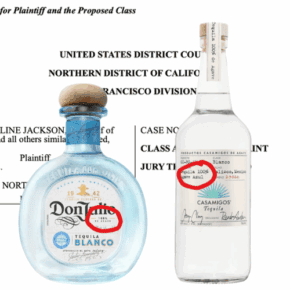
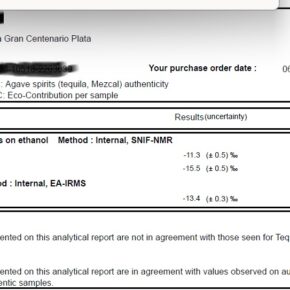
Their litany of complaints includes the explosive allegation that Diageo, Cuervo, and other conglomerates are knowingly selling an adulterated product that’s falsely labeled as 100% agave. These charges sparked a series of class-action lawsuits in the US. The cases implicating Diageo’s Casamigos and Don Julio and Costco’s Kirkland Tequila have been overturned this month. (More on that later this week.)
The charges provoked backlash. Remberto Galván Cabrera, a spokesperson for the agaveros, was kidnapped and beaten. Two agavero leaders were arrested at a peaceful protest and jailed for months. Galván says that he and his compatriots receive regular death threats.
In short, the drama has been at a slow boil for a couple of years. Sheinbaum says Columba is reviewing the situation and considering different options. Stay tuned for upcoming coverage and analysis.







Leave a Comment