For this installment of tasting notes takeaways, we’re looking at side-by-side comparisons of añejo and extra añejo tequilas from the same brands.
I narrowed my eyes. I raised my eyebrows. I narrowed my eyes. Comparing prices between añejo and extra añejo tequilas was making me feel a bit cartoonish.
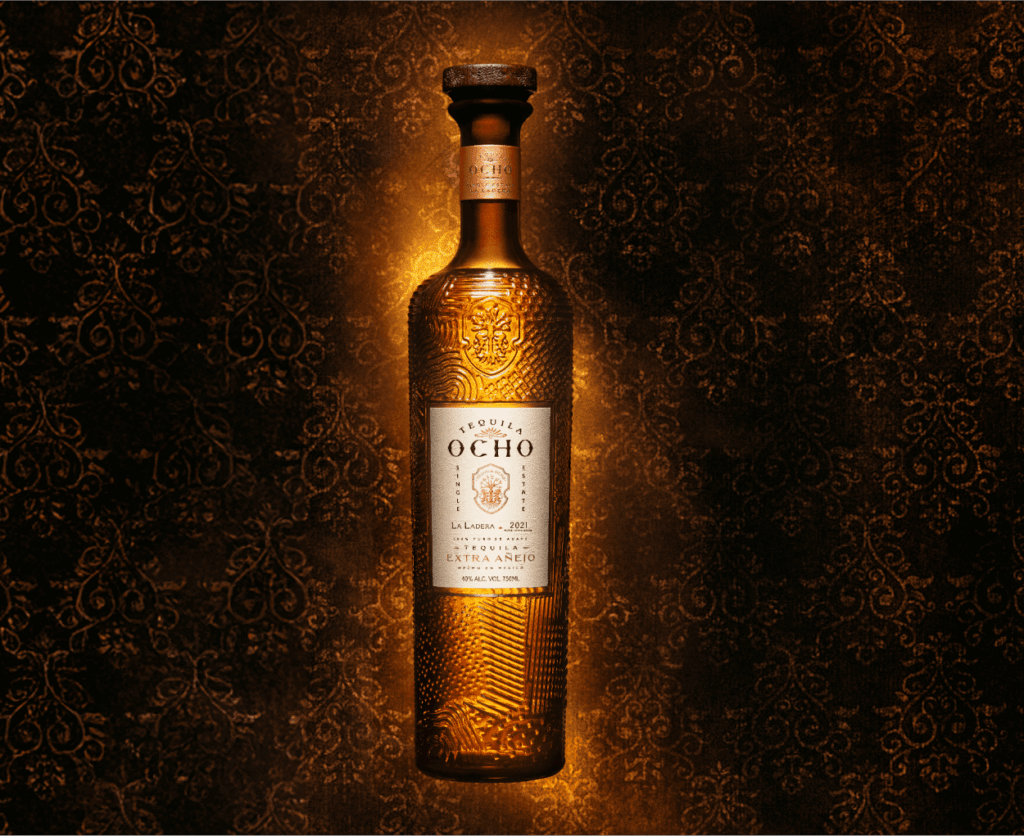
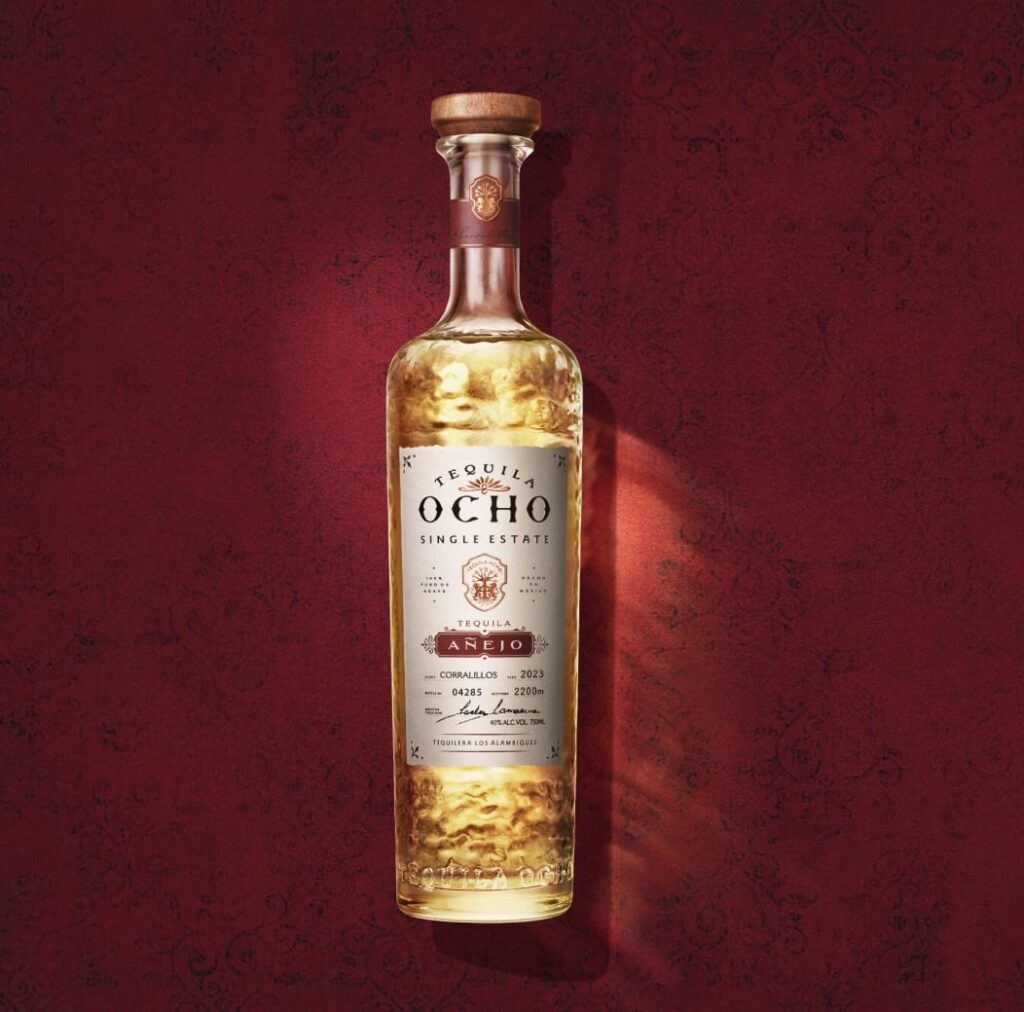
Don Fulano Añejo retails at around 100 USD, while the Don Fulano Extra Imperial Añejo goes for 230. Like many extra añejos, the Extra Imperial comes in a fancy bottle styled for the collector or ostentatious gift market. But does it taste 130 dollars better? Does Ocho Extra Añejo taste 190 USD better than their Añejo, which retails for around 90?
Here are Mezcalistas, we’re always harping that exemplary agave spirits are never going to be cheap–and shouldn’t be. You’re paying for is a spirit distilled from plants that may take a decade or more to mature. You’re thinking about the size of the operation, the size of the batch, the efficiency of a particular proces, the rarity of the agave.
There’s often a very valid reason to explain wild price disparities between bottles agave spirits. But that doesn’t mean that more expensive always equals higher quality. When I first started drinking tequila, I assumed that reposados were better because they cost more. It took me an embarrassingly long time to figure out the fallacy of this assumption. I’d feel worse about this if it weren’t such a basic human tendency. When shopping, we are obviously prone to equating cost with true value. And brands know how to capitalize on this.
Extra añejo tequilas are certainly a case in point, but you’re also paying for the very quantifiable cost of aging–time in storage and the quantity of liquor that evaporates when spirits linger in the barrel.
While an añejo tequila must be aged in oak for at least one year, an extra añejo must be aged for at least three years. Three years will sound like a laughably short minimum to fans of scotch or aged rum. But when we consider the vast difference in profile between a blanco and a reposado from the same brand, and it’s clear that agave spirits play by different rules. If two months can transform a spirit, what can three or more years do? And is it a good thing?
To answer this question, we’ll be looking at side-by-side comparisons of añejo and extra añejos from our tasting notes library. Tess Rose has weighed in on expressions from a line-up of six respected tequila brands.
It’s clear from her notes that the extra aging renders distinctions.“The agave core is front and center,” she writes about Ocho’s añejo. Agave doesn’t come up at all in her notes on the brand’s extra añejo, although she doesn’t exactly sound bent about the tasting experience: “The flavors are intense yet refined,with notes of pineapple upside down cake, creamy coffee, and chocolate-covered orange peel.”
So all of these extra añejos sound pretty good if you like that sort of thing. But it’s hard to justify that jump in prices for something that’s different but not necessarily tastier.
“It’s so expensive because of the associated costs of aging for longer, not because it’s better,” Tess concludes.
Hey, rent aint cheap.
While I won’t be stepping out to buy a bottle of extra añejo this holiday season, I nonetheless enjoyed parsing Tess’s evocative descriptions, which insightfully illustrate how agave spirits change with age.
Tequila Arette Artesanal Añejo
40% ABV, NOM: 1109
Production Details
- Location: Tequila, Jalisco
- Maestro: Eduardo & Jamie Orendain
- Roast: Mamposteria
- Crush: Mechanical mill
- Distillation: Steel & copper pot stills
Taste: Flavors of juicy pineapple with a caramelized crust remain fresh while integrating with notes of caramel, spiced oat cakes, and lightly roasted coffee. There is a gentle hit of spice that adds depth to the overall arc of each sip. The finish is lengthy, with brown sugar, a hint of molasses, and creamy coffee notes. Pair this with cream-based desserts or cheeses for an exceptionally delicious treat.
Stay tuned for full tasting notes.
Tequila Arette Gran Clase Extra Añejo
40% ABV, NOM: 1109
Production Details
- Location: Tequila, Jalisco
- Maestro: Eduardo & Jamie Orendain
- Roast: Mamposteria
- Crush: Mechanical mill
- Distillation: Steel & copper pot stills
Taste: The flavors are bold with toasted cashew and vanilla-scented caramel, dusted with citrus zest. As the sip evolves, the sweet baking spices and cigar box notes fill the palate. Dark chocolate and golden raisin create a luscious finish, balanced by nutmeg, mace, and a hint of red chili.
Stay tuned for full tasting notes.
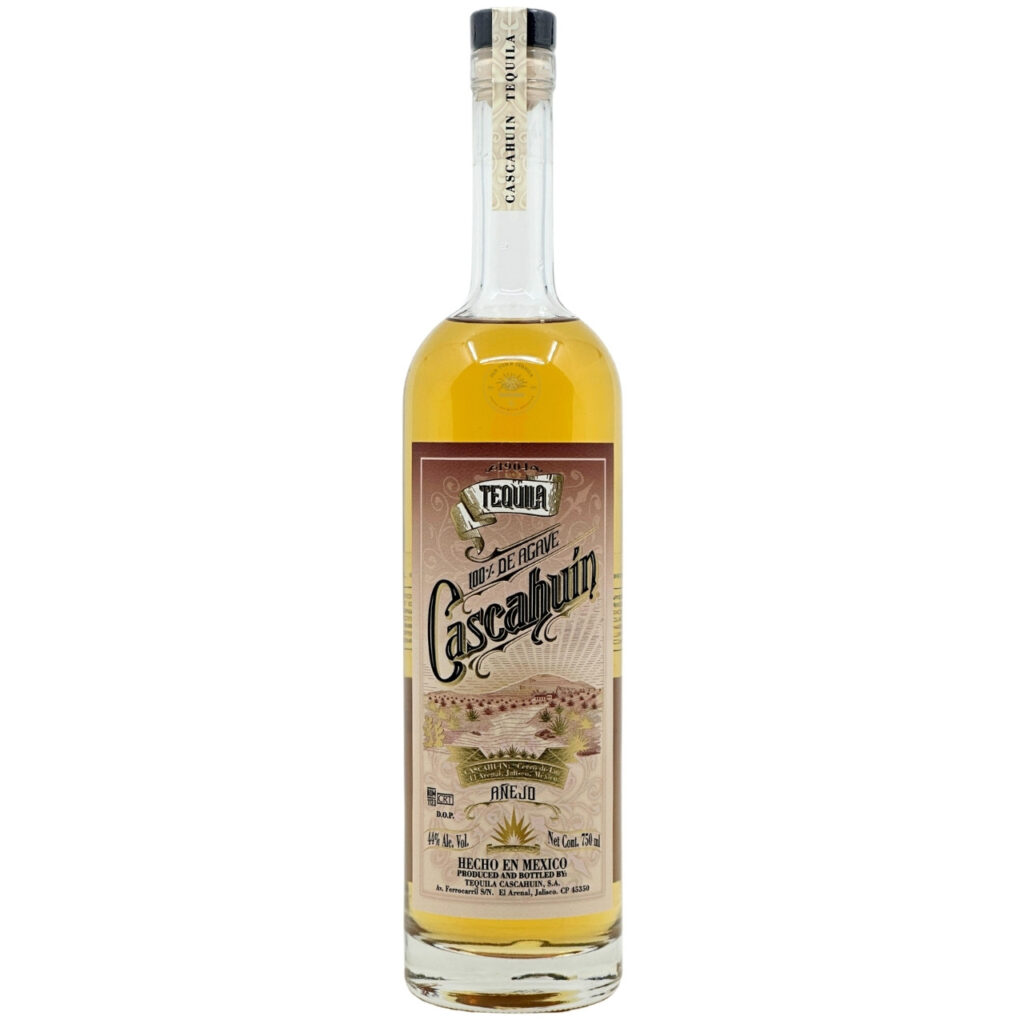
Tequila Cascahuin Añejo tasting notes
40% ABV, NOM: 1123
Production Details
- Location: El Arenal, Jalisco
- Maestro: Salvador “Chava” Rosales Trejo
- Roast: Mamposteria
- Crush: Mechanical mill
- Distillation: Steel & copper
Taste: Flavors of nectarine, juicy pineapple, vanilla custard, and roasted peanuts fill the mouth. The texture is thick but not cloying, allowing the agave-centric flavors to unveil themselves, supported by hints of sweet toasty oak and minerally earthiness.
Full tasting notes.
Tequila Cascahuin Extra Añejo tasting notes
43% ABV, NOM: 1123
Production Details
- Location: El Arenal, Jalisco
- Maestro: Salvador “Chava” Rosales Trejo
- Roast: Mamposteria
- Crush: Mechanical mill
- Distillation: Steel & copper
Taste: Flavors come in waves, starting with a burst of concentrated pineapple nectar, creme brulee, and dried orange peel. Notes of coffee and cacao with a hint of cream follow, adding complexity and richness that matches well with the velvety texture. The finish is long, dotted with citrus and more coffee notes, with pleasantly dry tannins, encouraging another sip. Enjoy as dessert, or with not-too-sweet options like cheeses or cream-based custards.
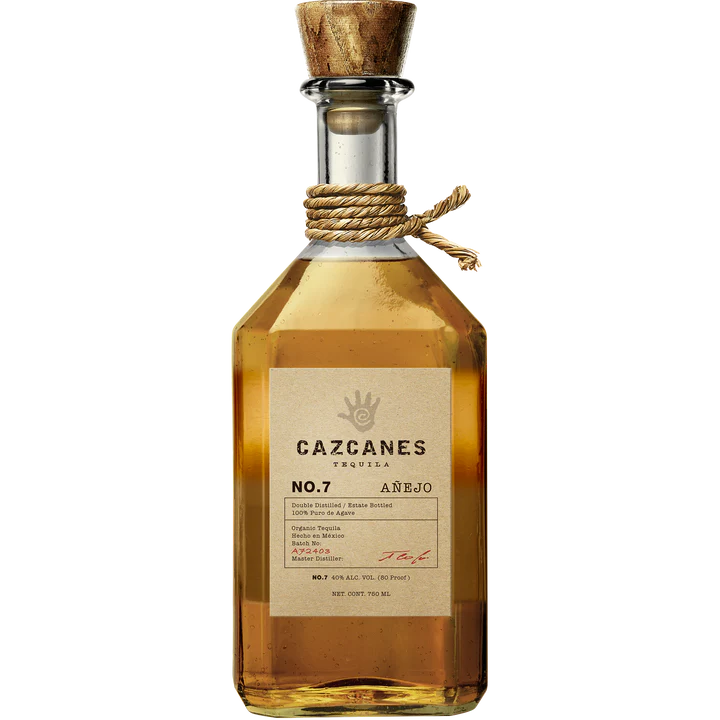
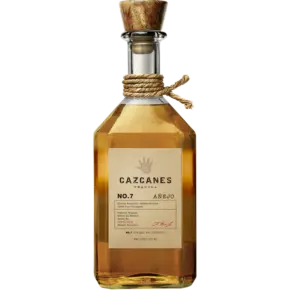
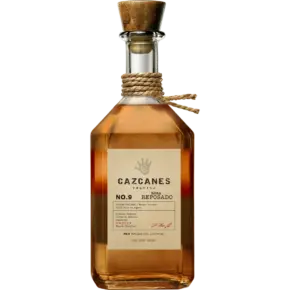
Tequila Cazcanes Añejo No. 7 tasting notes
40% ABV, NOM: 1614
Production Details
- Location: Amatitán, Jalisco
- Maestro: Francisco “Don Chico” Jiménez Lazcarro
- Roast: Autoclave
- Crush: Mechanical mill
- Distillation: Steel & copper pot stills
Taste: This añejo is light on the palate; the bold flavors are balanced by an airy texture and bright acidity. Caramel and gentle mace spice come through crisp and clear, supported by notes of freshly split torched wood, vanilla, and pineapple husk. The finish skews earthy, perfumed with sweet spice.
Check out Tess’s full tasting notes for Cazcanes Tequila Añejo No. 7
Cazcanes Extra Añejo No.7 tasting notes
40% ABV, NOM: 1614
Production Details
- Location: Amatitán, Jalisco
- Maestro: Francisco “Don Chico” Jiménez Lazcarro
- Roast: Autoclave
- Crush: Mechanical mill
- Distillation: Steel & copper pot stills
Taste: The earthy elements come forth on the palate, with flavors of straw, beeswax, and dried meyer melon peel. The fruit notes are concentrated, showing peach skin, dried white mulberry, and a hint of heady marzipan. The texture is firm, with smooth leathery tannins that leave the mouth dry after each sip. The fruity and toasted wood notes linger on the finish.
Full tasting notes for this expression coming soon!
Tequila Ocho Añejo tasting notes
40% ABV, NOM: 1474
- Location: Arandas, Jalisco
- Maestro: Carlos Camerena
- Roast: Mamposteria
- Crush: Roller mill
- Distillation: Stainless steel & copper
Taste: The agave core of this añejo is front and center, with supporting notes of cacao nib, golden raisin, and toffee. The texture is elegant, with a distinct butteriness that carries the flavors over the entire palate. The finish is complex with coffee and black pepper. This is a stunning sipper or base for a spirit-forward cocktail.
Tequila Ocho Extra Añejo tasting notes
40% ABV, NOM: 1474
- Location: Arandas, Jalisco
- Maestro: Carlos Camerena
- Roast: Mamposteria
- Crush: Roller mill
- Distillation: Stainless steel & copper
Taste: The flavors are intense yet refined, with notes of pineapple upside down cake, creamy coffee, and chocolate-covered orange peel. The spiciness and pepperiness balance the sweetness from the barrel. The texture is round and fills the mouth, each sip making the mouth water in anticipation for the next one. A fine sipping tequila to be enjoyed as dessert or a nightcap.
Stay tuned for full tasting notes.
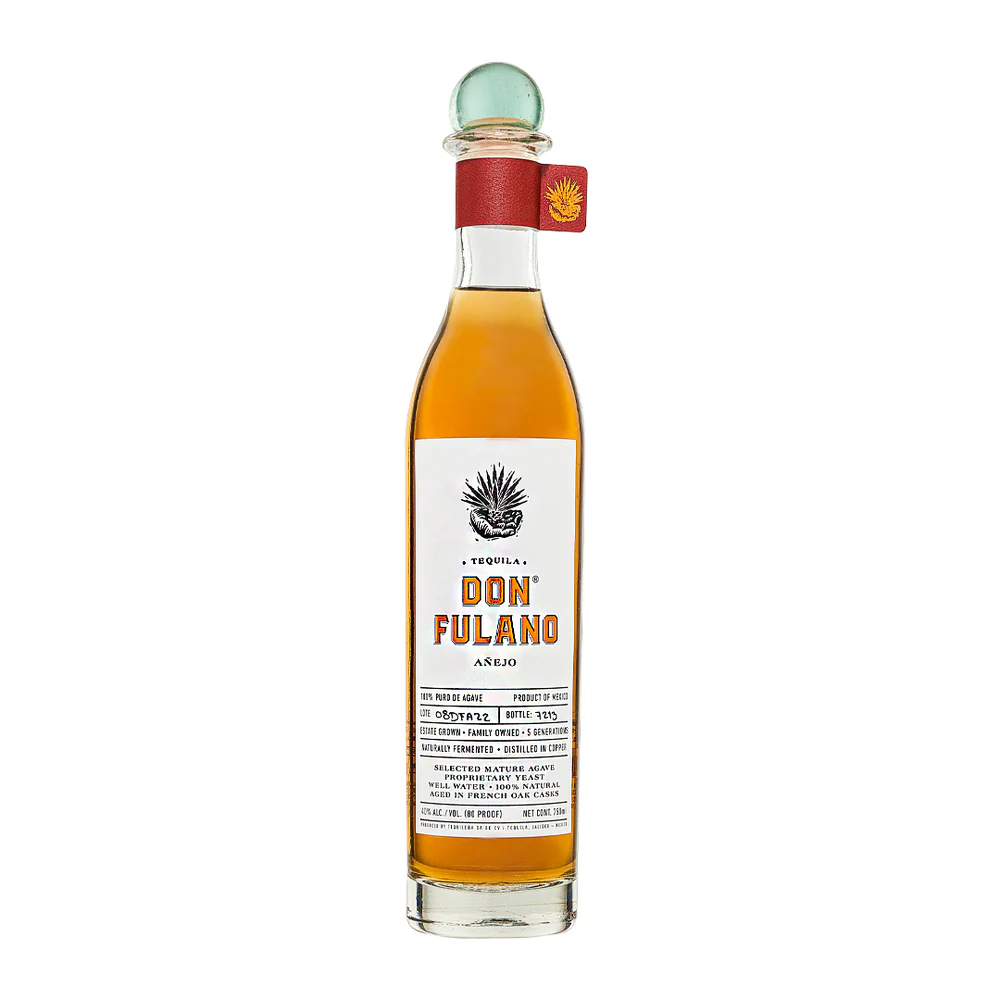
Don Fulano Añejo tasting notes
40% ABV, NOM: 1146
- Location: Tequila, Jalisco
- Maestro: Enrique Fonseca & Sergio Mendoza
- Roast: Autoclave
- Crush: Screw press
- Distillation: Hybrid pot & column
Taste: The flavors are integrated: light caramel and sea salt mixed with blood orange zest, subtle red chilies, and green peppercorn. The interplay of earthy, spice, and sweetness is dynamic and dances on the tongue. The texture is luxurious, like rich silk, studded with hints of cream and tobacco. Sipped alongside or mixed into coffee would be a delicious indulgence.
Stay tuned for full tasting notes.
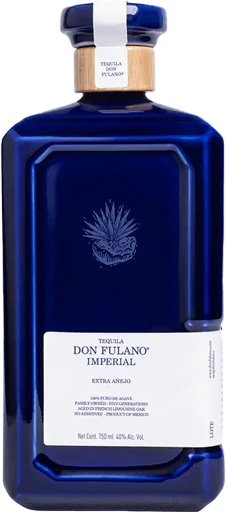
Don Fulano Imperial Extra Añejo tasting notes
40% ABV, NOM: 1146
- Location: Tequila, Jalisco
- Maestro: Enrique Fonseca & Sergio Mendoza
- Roast: Autoclave
- Crush: Screw press
- Distillation: Hybrid pot & column
Taste: The velveteen texture nicely coats the palate, delivering waves of nuttiness reminiscent of roasted walnuts, almonds, and chestnuts. The concentrated orchard fruit and pineapple flavors are bright and aromatically sweet. Notes of caramel supported by cocoa powder and creamy coffee add richness to the lengthy finish. A rare treat.
Full tasting notes.
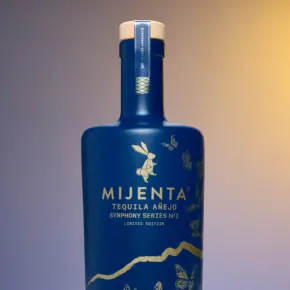
Bonus note: We didn’t have a point of comparison between the Mijenta Añejo and Extra Añejo, but this expression from is worth consideration, due to an unusual process involving aging the tequila with diverse oak staves.
Mijenta Symphony Extra Añejo No. 3 tasting notes
45% ABV, NOM: 1499
- Location: Arandas, Jalisco
- Maestra: Ana Maria Romero
- Roast: Autoclave
- Crush: Roller mill
- Distillation: Stainless steel pot stills with copper coils
Taste: The flavors are warm and robust, baking spices mixing with juicy ripe pineapple, custard, and stone fruit. The balance between fresh notes and brown sugar, vanilla, and tobacco spices is spot on–offering a ton of flavor without covering up the flavor of quality agave. The finish is a touch spicy and earthy, leaving the mouth clean.
More info on Mijenta’s novel aging process in our tequila tasting notes library.






Leave a Comment