
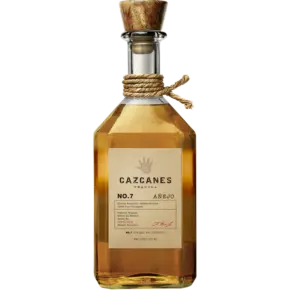
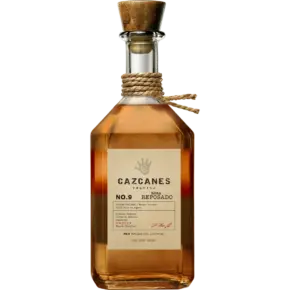
Tess Rose shares her tasting notes for this notable blanco tequila from Cazcanes. Like all Mezcalistas content, our tasting notes are not sponsored.
Details
- Location: Amatitán , Jalisco
- Agave: Blue Weber Tequilana
- Maestro: Francisco “Don Chico” Jiménez Lazcarro
- ABV: 40%
- Tasting keywords: grassy, floral, pretty
- NOM: 1614
Nose: Pleasant aromas are reminiscent of fresh linens and just cut grass, like the softly floral and herbal notes of a spring meadow breeze.
Taste: Equally refined and pretty on the palate, the flavors are soft without being bland. Notes of jasmine and honeysuckle are lightly perfumed rather than cloying or artificial. The core remains sturdy with minerality, white peppery piquancy, and lemon zest. This would make an easy sipper on its own, or pair well with drinks that feature delicate fruit flavors like tuna (cactus pear), dragon fruit, or cucumber.
Production Details
- Roast: Autoclave
- Crush: Roller mill
- Distillation: Stainless steel alembic with copper coil
Background
Cazcanes is a contemporary tequila brand that seeks to honor the historical roots of artisanal production. Founded in 2015 by beverage industry friends and tequila lovers, the brand was inspired by the rustic and traditional process of Humberto Alvarado, a third generation distiller in the town of La Estancita. Today Humberto is contracted to produce only one of the brand’s expressions, Nuestras Raíces. The other expressions were originally produced at Nom 1599 Casa Don Atanasio, but moved to Nom 1614 Tequilera Tap after gaining momentum in the market in 2023. The first batches launched in 2017 and gained popularity in Los Angeles through the founders’ grassroots marketing efforts. Cazcanes is recognized for its unique branding, contemporary marketing strategies, and clean agave flavors. The production elements that set this tequila apart are careful selection of organic agave and trucking in mineral-rich water from the Navichi springs. The carefully sourced water mimics the way tequila was made hundred of years ago in remote areas, taking advantage of natural water sources.




Leave a Comment