
For dedicated mezcal enthusiasts, Oaxaca is often viewed through the particular lens of the palenque. We chase the smoke from pit ovens, high desert terroir, and the specific nuances of agave species. However, mezcal is just the tip of the iceberg in the rich and diverse beverage culture of Oaxaca.
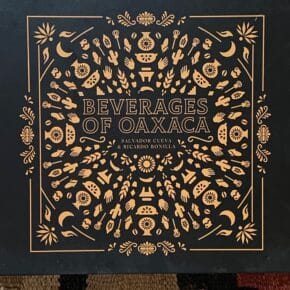
Diving deep into the story of these drinks is the premise of Bebidas de Oaxaca by photographer Shava Cueva. The book is a monumental documentary project, a vital bridge between the world of agave and the vast, mostly undocumented “liquid culture” of the state. For those who value the craftsmanship behind mezcal, Cueva’s work offers a parallel appreciation for the guardians of ancestral recipes that are just as complex and culturally significant as any distilled spirit.
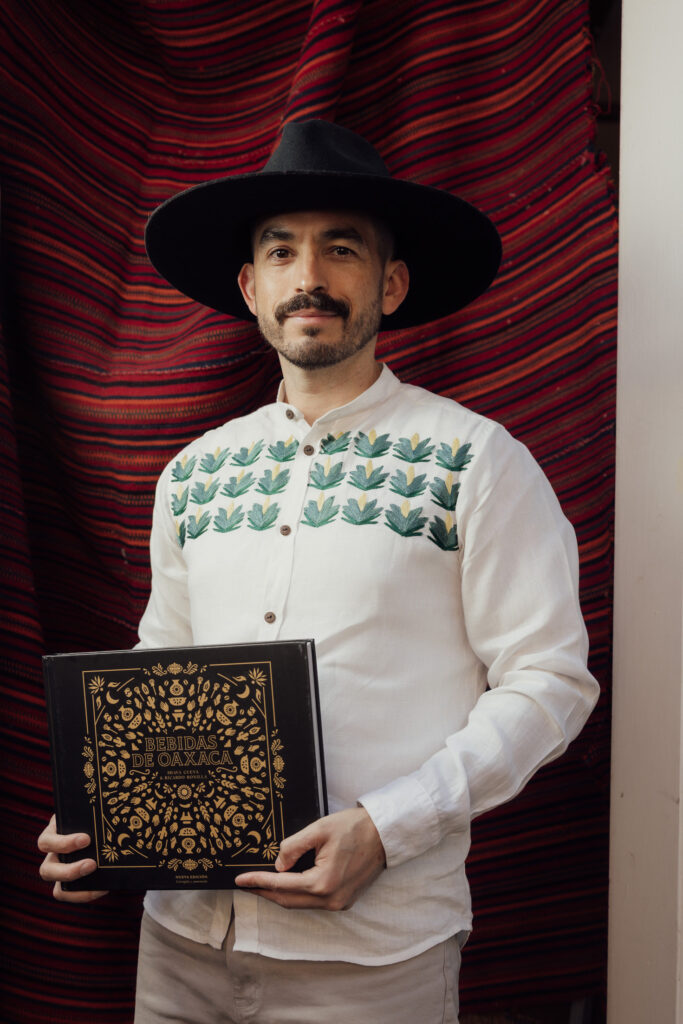
I first met Shava during the launch of Bebidas de Oaxaca. It was a packed event, with piles of luxurious hardback copies of the book, the cover glinting as the gold embossed illustrations caught the sunlight. He moved through the crowd quietly and it was only when he took to the microphone that I realized he was the man behind this impressive work.
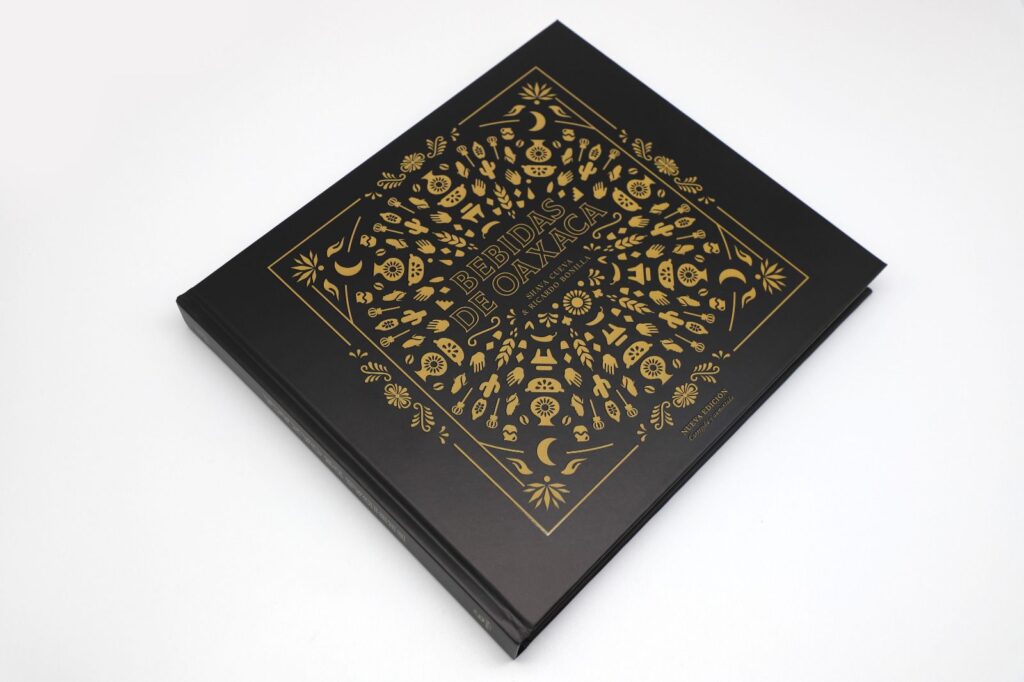
My perception of Shava was (and is) of someone calm and focused, which doesn’t completely line up with his journey from commercial photography into the complex world of Oaxacan beverages.
Shava grew up in Ensenada, where he studied communication sciences. After finishing his degree, he worked as a communication assistant. When he went out to the location, he would grab a camera and start taking pictures of landscapes.
“I started to enjoy it, and little by little I began using the camera more, taking photos of anything, ” he says.
His early photography career was rooted in corporate communication and advertising. In 2015, he decided to work independently and pursue food photography. As a freelancer, he became more selective with brands and projects. “I have said no to many brands because there was something inside me that did not feel comfortable with that kind of work,” he says.
In 2018, he arrived in Oaxaca and his focus shifted from commercial image making to cultural storytelling. When he started the journey, he knew nothing about traditional beverages.
“The only thing I knew for sure was that I had a list of traditional beverages I wanted to document and learn about along the way,” he says. “Bebidas de Oaxaca has never really been a business for me. It has been a way to get closer to people, ingredients, communities, and stories that do not always appear in commercial photography.”
The project began as a humble road trip and evolved into a five-year odyssey, a deep dive into traditional drinks, stories, and techniques. His initial plan was naive but ambitious: spend six weeks documenting 13 drinks for a book about the whole of Mexico. Instead, the sheer depth of Oaxacan culture captivated him and became all-consuming.
He reflects on how the project changed from day one: “My personal goal of traveling and taking photos moved into second place. That changed the way I portray and approach people when documenting, and also the way I share stories through photos and videos.”
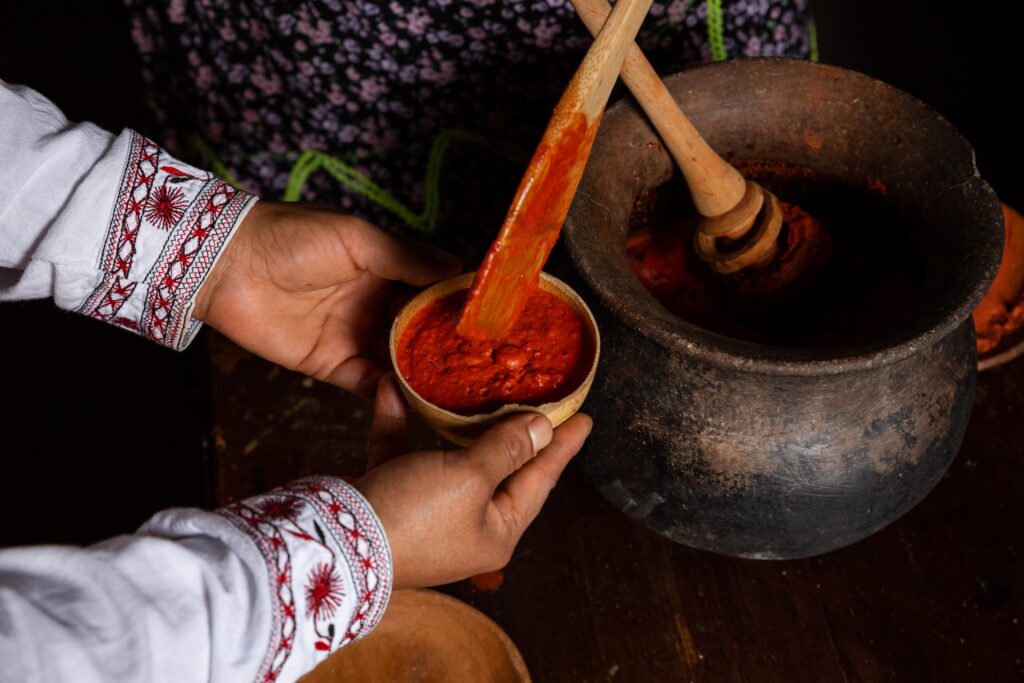
He spent over 15 months traveling through Oaxaca, documenting 87 traditional drinks and the stories of the people who prepare them, through photography, video, and interviews. The first edition was published in 2020, financed by the author and his friend Juan Carlos Rojas Caballero, a lawyer.
This independence allowed Cueva to approach communities with a level of patience and respect that commercial projects often lack. He traveled in colectivos (small buses or shared taxis), slept where he could, and navigated the complex social fabric of remote Oaxacan towns.
Shava explains some of the complexities of working in Oaxaca. “It’s difficult to approach communities if they do not know you,” he says. “For that, you need friends and contacts. Many friends recommended me to people from other communities. They told me about traditional beverages, about towns, and there was always someone who knew someone. Facebook helped, because I would share the stories I was documenting, and each time I received more messages.”
He recounts an instance of misunderstanding with a wry smile: “Once, at a town party, I went to a bathroom. While I was waiting in line, I took a photo of the curtains of the public bathrooms because the colors caught my attention. This was misunderstood, and someone accused me of photographing women in the bathrooms. The police grabbed me and took me to the police station.”
Although he can tell the story with humor, at the time he was terrified. “They threw me to the ground, and one person put his leg on my neck. I could not breathe. In that moment I thought I was going to die…In the end, everything was resolved and they apologized. I learned not to take photos near bathrooms again.”
Despite some intense interactions, Shava doesn’t see the experiences negatively, but rather as adventures and lessons. He explains that, if anything, the hardest part of the process was not actually being able to visit all of the people who began engaging with him as the project gained traction.
While Bebidas de Oaxaca documents everything from corn-based atoles to floral infusions, it doesn’t ignore agave spirits. Cueva purposefully integrated mezcal into the project, but he chose to focus on producers who look beyond the distillate to the health of the land and community. This includes mezcaleras Sosima Olivera Aguilar and Graciela Angeles, who focus on cooperative work and environmental sustainability.
These selections underscore a core philosophy of Cueva’s work: a beverage is the product of the community and environment that sustain it. This is why the project now allocates 15% of sales to the Escuela Itinerante del Agua, to install biofilters and rainwater harvesting systems in Oaxacan communities.
Shava describes a perfect day of Oaxacan liquids: First a “hug” in the form of a corn atole with granillo, then a jicara of complex, foamy tejate to stave off hunger. In the afternoon he recommends a refreshing horchata with tuna (prickly pear) to combat the heat. And finally that iconic mezcal to close out the day. By seeing these drinks as just as important as food, for sustenance, routine and ritual, Cueva hopes to inspire a new generation to explore traditional drinks and ingredients.
He is inspired to hear more talk about traditional beverages, and he sees more incredible projects starting in Oaxaca, such as La Atolería, where cook Olga Cabrera presents different atoles depending on the season.
Shava appreciates the new era of bartenders and baristas exploring traditional beverages for inspiration. “Traditional beverages are as broad as food, and this helps as inspiration to integrate them into cocktails,” he says. “Maybe there are purist people who don’t like someone making a tejate cocktail, but in the end, new creations are inspired in different ways, and if this helps traditional beverages become more known, then go ahead!”
Despite a successful reception, maintaining a project of this scale has not been without challenges. Cueva discusses the burnout he faced, which led him to move to Australia and take a hiatus from the project. This pause allowed him to adopt a Zen-like approach to his work, focusing on the quality of the content and the “consciousness of the present” rather than chasing social media trends.
He says that stepping away for several months made him see the project in a different way and think about what he wanted to achieve and what he could do to keep the project active.
Today “Bebidas de Oaxaca” is a thriving online community with over 110,000 followers that includes a blog, a YouTube channel, and an online store.
In 2023, Cueva collaborated with co-author Ricardo Bonilla to add 10 more drinks with further historical and cultural information. Although they do not include recipes, their narrative shares the entire process of preparing each drink from the eight regions of Oaxaca, ensuring that these recipes, often passed down orally, are documented for future generations. The result of this labour is more than just a book; it is a preservation project.
The second edition was published by Ecoval Ediciones México and presented at the Guadalajara International Book Fair (FIL). Now Shava is planning a third edition, to include over 100 beverages, expanding the coverage of mezcal.
Copies of Bebidas de Oaxaca found their way into prestigious libraries, such as the Herdez Foundation in Mexico City. The book has even influenced Michelin-starred restaurants to integrate traditional drinks into their menus. For the mezcal fan who also enjoys the culinary side of Mexico, this elevation of liquid culture is a significant shift. Cueva notes that while tacos and tamales have been widely documented, beverages (outside of pulque, tequila, and mezcal) have had very little photographic or historical record until this anthology.
For those of us who love mezcal, Bebidas de Oaxaca is a reminder that the spirit does not exist in a vacuum. It is part of a drinking culture that is deeply tied to the land, the water, and the communal traditions of the Oaxacan people. Shava says, “I will always remember the collaboration of Oaxacan people, and I am very grateful to those who helped me and continue to help me throughout this journey.”
This publication is essential reading for anyone who wants to truly understand the liquid soul of Oaxaca. By supporting this project, readers are not just buying a book; they are contributing to water harvesting initiatives and the preservation of a culture that is as diverse as it is delicious.





Leave a Comment