
At its most basic level, aguardiente means liquor. It is formed from the Spanish words agua (water) and ardiente (burning). Aguardiente is a broad term with specific connotations depending on geography. For example, the Spanish have long used the word for various types of brandy. Colombian aguardiente is an anise-flavored spirit with a cane alcohol base that typically ranges between 23-29% ABV. In Mexico, aguardiente usually refers to aguardiente de caña, or cane alcohol, which can be used to describe anything from fine Oaxacan rum to rotgut. (It may also be shortened to caña.)
The history of aguardiente de caña dates back to the early colonial period. Like mezcal, aguardiente was subject to prohibition due to the doubly exploitative nature of colonial systems. When authorities attempted to force a market for imported Spanish wines and brandies, they drove native producers underground, resulting in a thriving black market for mezcal and aguardiente–and inadvertently spawning the small-batch liquor traditions that remain strong in Mexico.
The Spanish never had much luck enforcing prohibition, and authorities eventually saw the value of taxing liquor production in the colonies. By this time, the black market was robust and distilling traditions were entrenched. While the legal liquor industry grew, black market producers continued to hide in the hills, distilling little batches on the sly. The clandestine nature of small-scale mezcal and aguardiente production resulted in Mexico’s rich liquor legacy, with its many intricacies and regional variations.
That said, Mexican liquors seem particularly subject to reputation problems–bad actors can poison public perception and ignorance is widespread. The mezcal category was afflicted by various phases of name-calling, from “Mexican moonshine” to the indignity of “tequila’s smoky cousin.” At the turn of this century, it began gaining prestige, and attracted a much more illustrious vocabulary, which sometimes ventures into hyperbole.
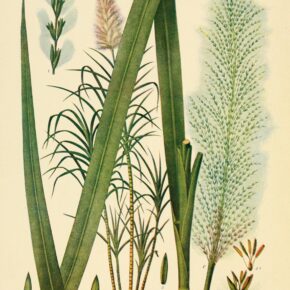
Aguardiente has lingered in the shadows longer; Mexico’s craft rum traditions have been overlooked due to associations with either moonshine or industrial cane alcohol. But the popularity of Mexican rum, or caña, is on the rise. Aguardiente de caña may be made from fresh cane juice, unrefined cane sugar, syrup, or molasses. Oaxaca, Michoacán, and Morelos are home to numerous notable brands.
Oaxacan aguardiente does not have a Denominación de Origen (DO) or a legal definition (norma), but small-batch distillers respect their own production traditions, such as juicing heritage sugarcane varieties to ferment with ambient yeast.
The only Mexican DO for cane liquor is in central Michoacán. Charanda can legally be made in 16 municipalities. The cane must be grown within the DO region, which is known for heritage varieties such as criolla and morada. As defined by NOM-144, Charanda may be fermented from either fresh-pressed cane juice, piloncillo, molasses, or some combination of those sugars.
While aguardiente is often delicious, there’s a flip side to the coin, which is industrial cane alcohol. Plastic jugs of cane alcohol are the cheapest way to get drunk in Mexico. In regions that don’t have lauded distilling traditions, the word aguardiente may still carry the stigma of poverty and alcoholism.
Agave spirits and aguardiente have a long and twisting relationship. When the tequila industry commodified agave on a large scale, it created a boom and bust cycle. Put simply, agave’s long growth cycle puts stress on farmers and on distillers. It’s challenging to constantly be planning 6+ years in advance and easy to miscalculate how much a kilo of agave will be worth at any given time. The tequila industry has been plagued by agave shortages–caused by previous gluts, blights, infestations, frost, economic downswings, political mechanations, general turmoil, and war.
Cane is more predictable. It takes about a year to mature, and it’s perennial–meaning that it will sprout back after harvest. When there’s an agave shortage, it’s always there. Thus legitimate tequila distillers have long faced competition from flavored aguardiente masquerading as tequila. In 1910, Jose Cuervo himself complained, “This mob of counterfeiters is not content to produce their own notoriously impure and harmful concoctions but very often provide the punishing luxury of presenting them as brands of recognized prestige.*”
Over 100 years later, this tension continues–with a twist. While Jose Cuervo battled distillers from other regions who were selling fake tequila, the allegations of fakery are now aimed at legal tequila brands, including, ironically, one brand from the Cuervo portfolio. Major tequila brands are facing class action law suits for allegedly selling tequila that was adulterated with cane alcohol.
That said, the industrial cane alcohol in question is a far cry from the small-batch aguardientes distilled in the mountains of Oaxaca and the hollows of Michoacán. This is another example of the many meanings to be found in the word aguardiente.
References:
*Tequila Wars by Ted Genoways
Spirits Distilled by Nat Harry
The Oxford Companion to Spirits edited by David Wondrich
“Is Mexican rum finally trending? What to know about caña and charanda” by Leigh Thelmadatter for Mezcalistas (as well as other Mezcalistas articles linked in this entry.)
A Field Guide to Tequila by Clayton Szczech
Divided Spirits by Sarah Bowen
PROYECTO de Norma Oficial Mexicana PROY-NOM-144-SCFI-2000, Bebidas Alcohólicas Charanda Especificaciones
DECLARATORIA GENERAL DE PROTECCION DE LA DENOMINACION DE ORIGEN CHARANDA .






Leave a Comment