
Are you following the In Good Spirits newsletter? If not, you should — they always serve interesting nuggets of news.
The August 21st issue looked at the “drama” surrounding the Hot Takes series by Saeed “Hawk” House, specifically the episode calling out guest shifts. I read it just after returning from an incredible trip in the Ankash region of the Peruvian Andes, where I spent eight days with an eclectic group of people, including two bartender/chefs from Belgium and France, Édouard Boels Silverhands and Olivier Cazaubon. The newsletter grabbed me, because it mirrored several conversations we’d had, not just about guest shifts, but about what hospitality actually is. Consider this my hot take.
Anyone in hospitality knows COVID changed the industry in ways we’re still trying to understand. It changed how we interact with one another. Many folks who’d spent much of their lives working in hospitality didn’t return after things began reopening. The industry took on a huge amount of debt in order to keep doors open. And the customers didn’t really return. It’s nothing less than an existential crisis. Things that were only beginning to get embedded in hospitality culture before COVID have taken on a new, almost obsessive focus. Guest shifts, World’s Best lists, competitions, even industry conferences; hospitality sits at an interesting crossroads, and it raises the questions: What’s the point? Who are these programs actually serving?
This existential crisis is playing out against a US alcohol industry already in flux: tarrifs, declining sales, and rising costs tied to a war in the Middle East–all making business harder for everyone in hospitality. Add an economy that’s increasingly difficult for the average person, and the landscape feels pretty bleak. I’d argue that the hospitality world as we once knew it is gone for the foreseeable future. It was built on cheap food, cheap labor, and cheap overhead. None of that holds anymore. Fast food isn’t cheap anymore. Even a family-friendly place like Olive Garden can run over $100 for a family of four. And who’s ordering rounds when cocktails cost $20–25 each? Hospitality is in trouble, and it’s no wonder everyone is scrambling to create “experiences” and find any way possible to stay relevant.
It was refreshing to step away into another country, into a different hospitality landscape. During the eight days I was in Peru, I saw folks practice hospitality with very few of the existential issues I just described. There was so much joy–and where it really took wings was during a trip to the market.
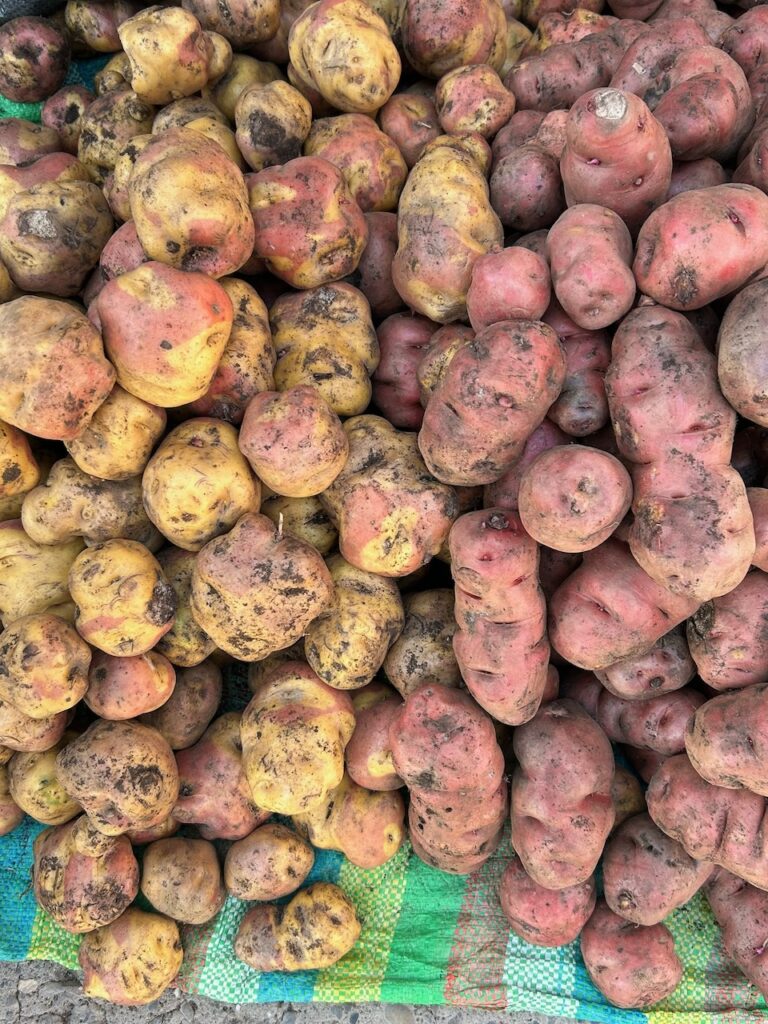
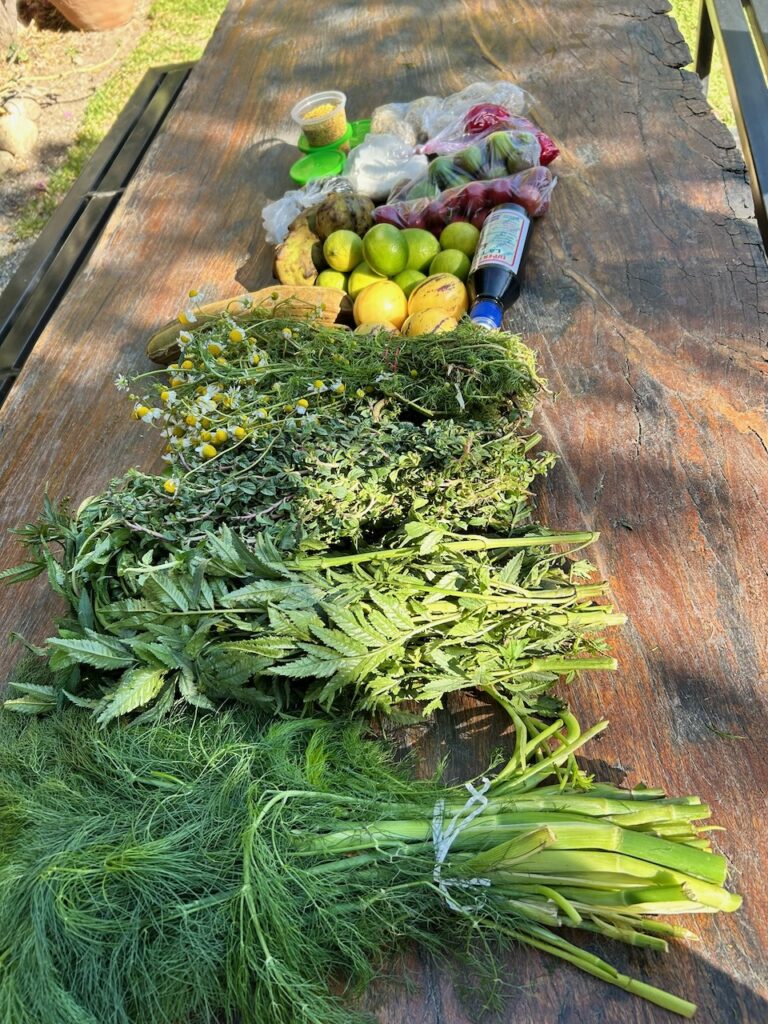
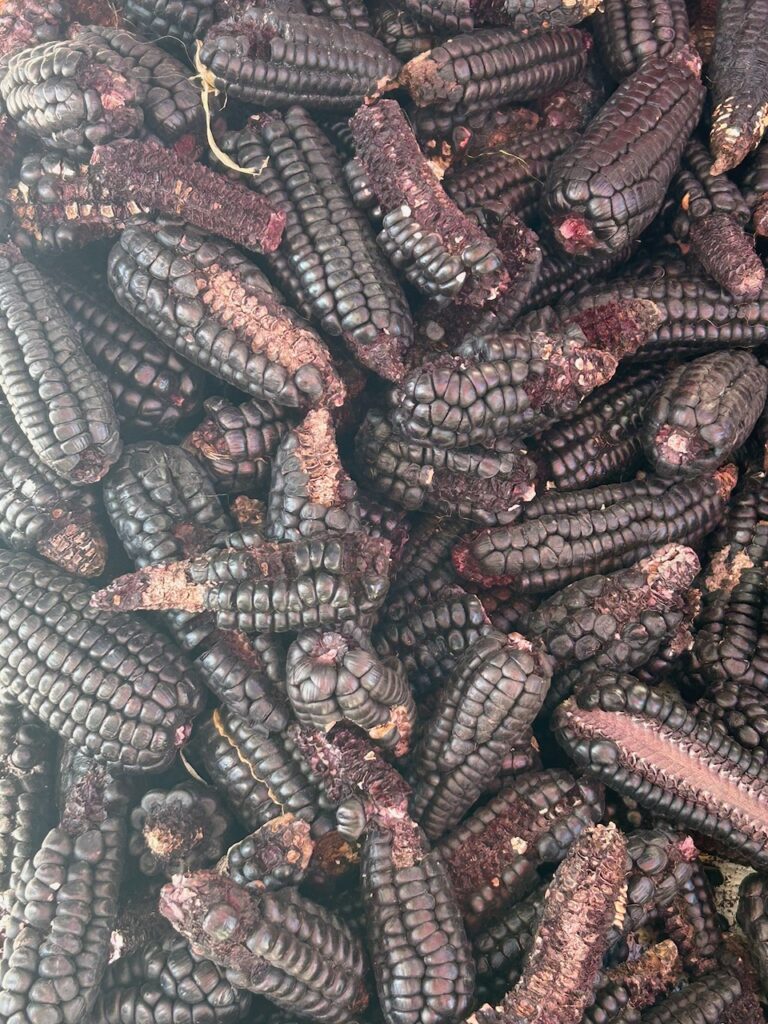
My favorite part of traveling is visiting local markets. Honestly, if that’s all I did on a trip, I’d be happy, especially when the markets are full of smells, colors, and foods I can’t find anywhere else. Visiting markets with bartenders and chefs who are equally enamored with the local offerings is next level. There’s a depth of curiosity and a willingness to try almost anything (although I personally draw the line at eyeballs and giant squiggly worms).
The market in Caraz didn’t disappoint, and we were lucky to have Jorge Cano with us. Jorge is a Caraz local, part of the Aqara/Agave de los Andes crew, and the reason we were there in the first place. As a native Quechua speaker, he could translate what we were seeing and eating, which helps when you’re trying to figure out whether something is meant to be eaten or drunk.
By this point in the trip, the group has coalesced beautifully. Conversations tend to accelerate and deepen when you’re traveling mountain roads and one wrong turn, or a passing car, could be fatal. Hospitality, and what it means to work in it, was a recurring topic. We agreed that it takes a certain kind of person because at the end of the day you’re there to serve people, and to do that well you have to find real joy and pride in that. It’s part of why so many restaurants hate the DoorDash/UberEats model; beyond the lost margins: there’s no service component left.
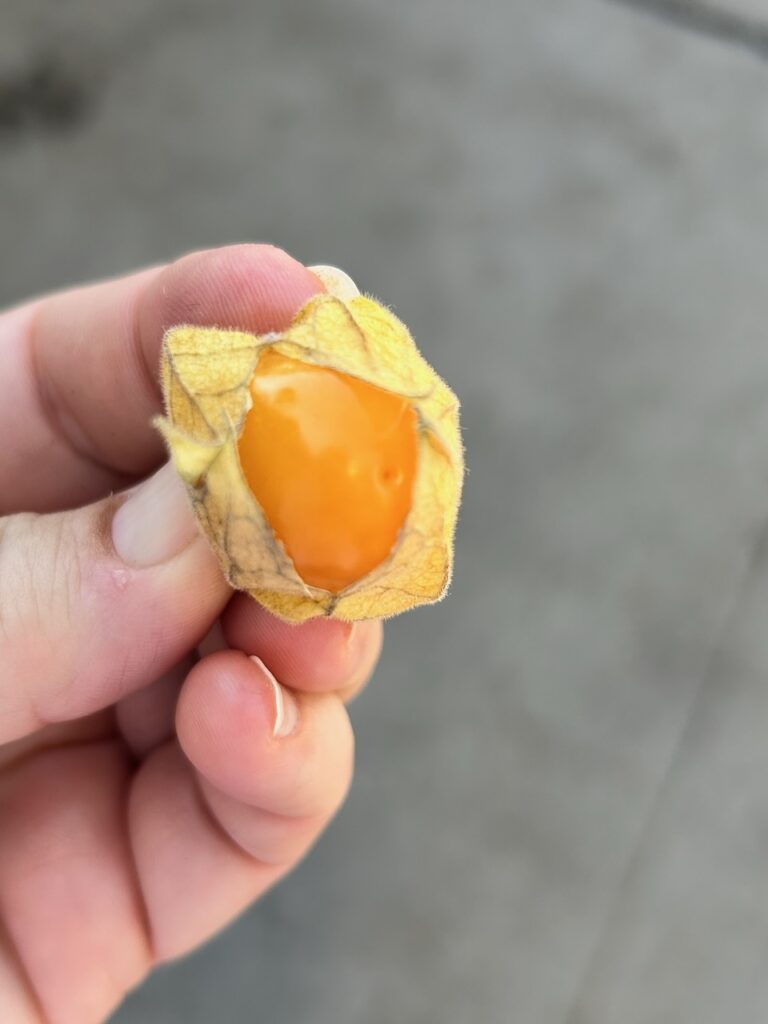
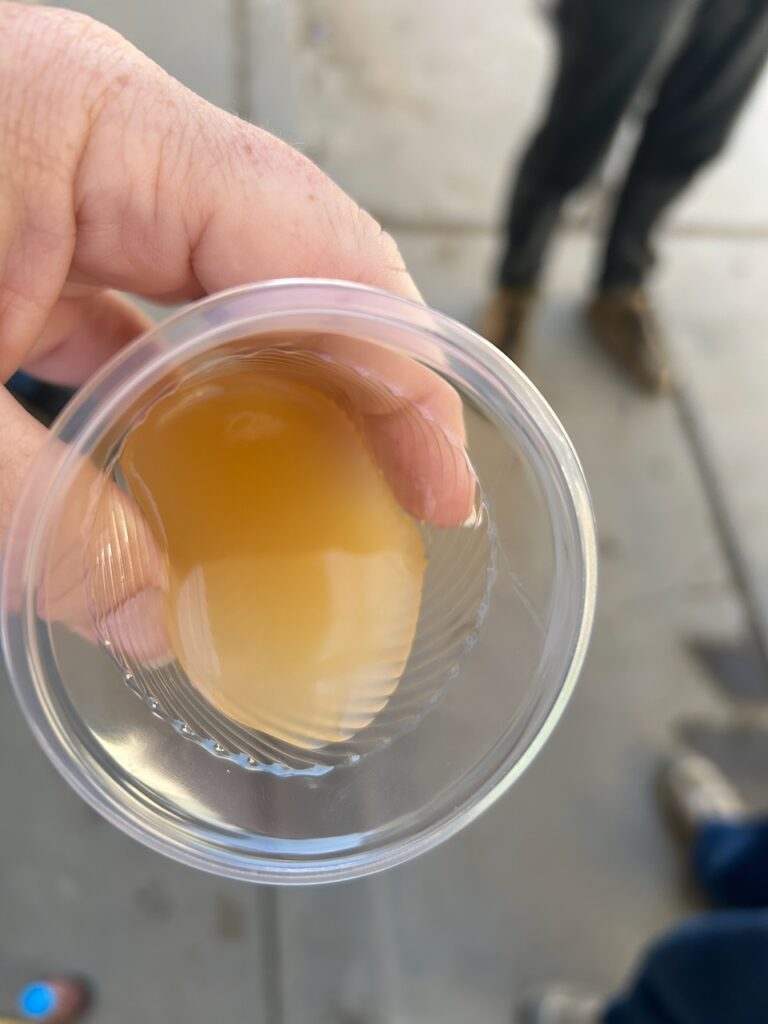
Our morning at the market ends with bags of herbs, fruit, and a few vegetables, plus chicha, a fermented corn drink of the Andes, which Jorge tracked down through his connections. Back at the lodge, we take over the bar. Normally this time of year there’d be more tourists in town for the Andean summer, but glacier instability has closed the mountains to climbers; a few have fallen to their deaths in crevasses this year. Édouard, Olivier, and Lalo sort through the bounty and start planning that evening’s cocktails. The Casona Lara Lodge where we are staying has a full bar, a benefit of having the Aqara distillery on site.
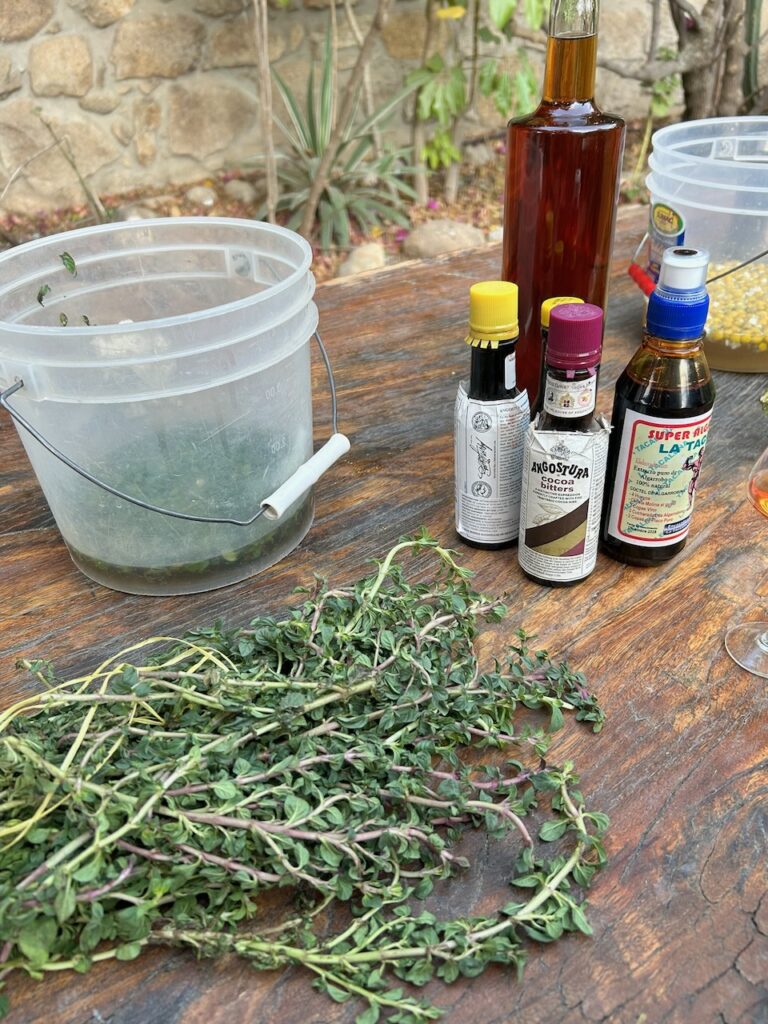
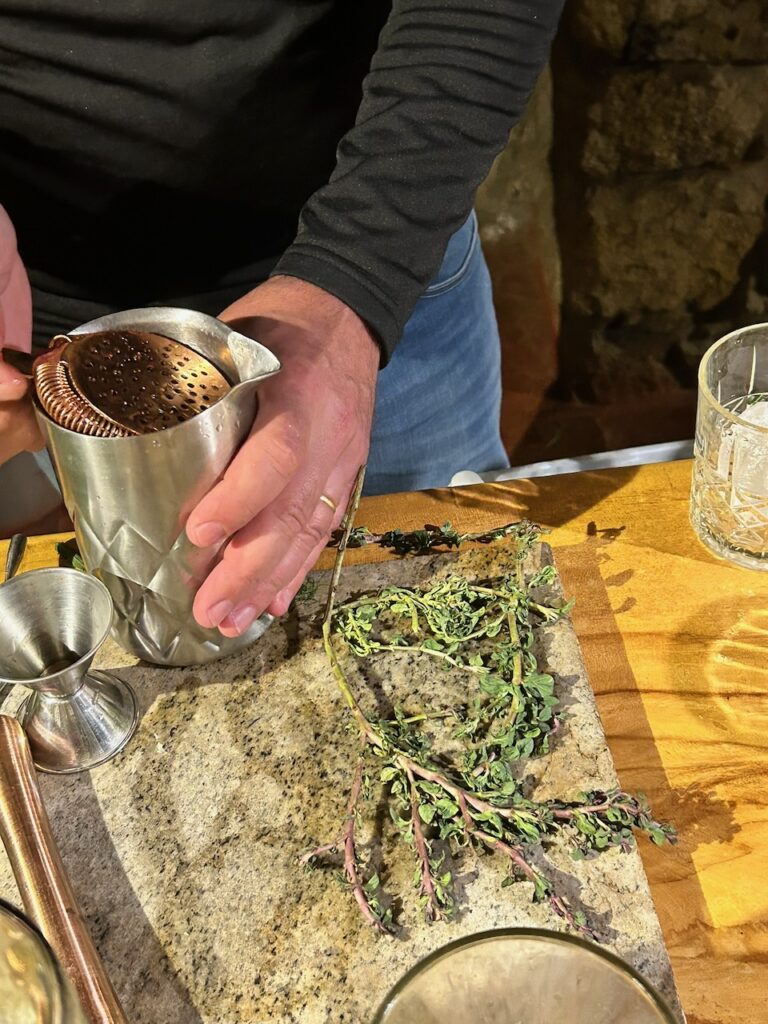
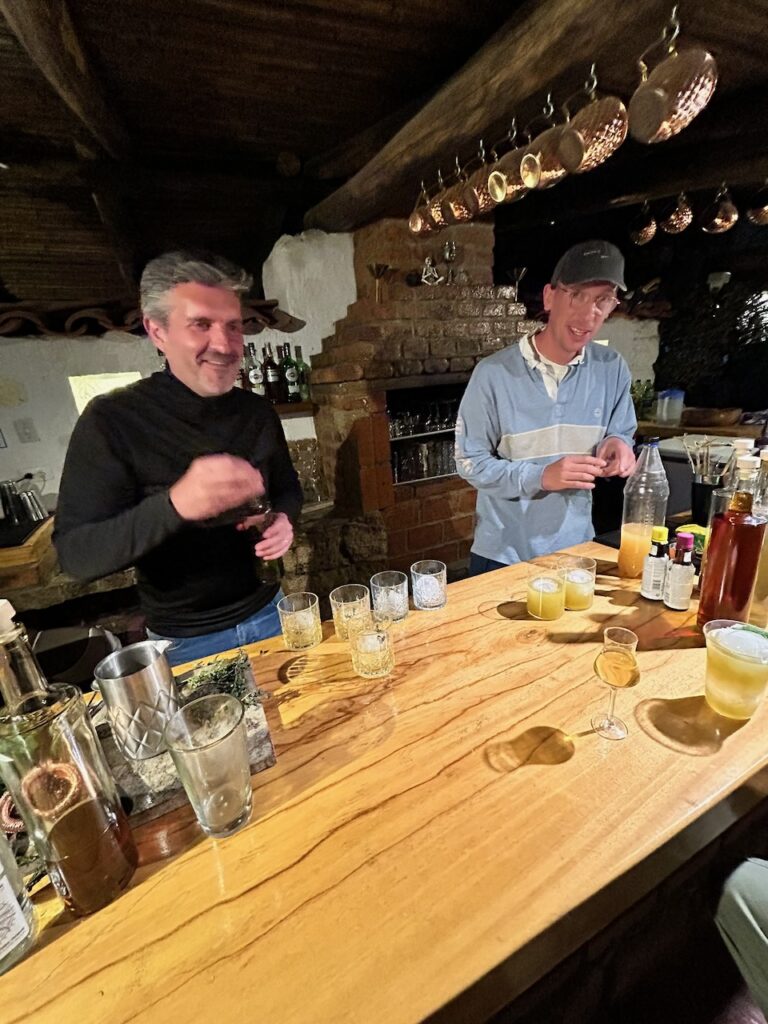
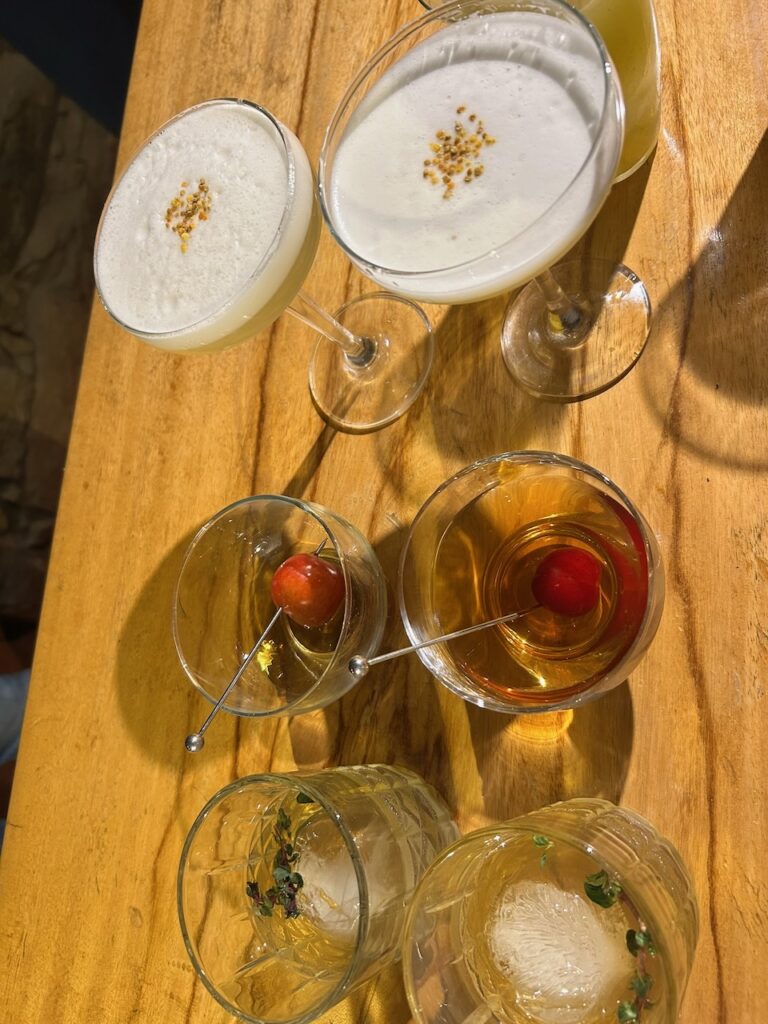
The other benefit of traveling with bartenders and chefs is how freely they share sips and bites. There isn’t a germaphobe in the group. Flavors come together through testing. Olivier and Édouard work fluidly together–they often collaborate in Brussels, where they’re both based. Their sensibilities differ: Olivier gravitates toward martinis and negronis, Édouard toward sours and citrus. Together they turn out five excellent cocktails spanning boozy, herbal, and light.
Through all of the muddling and mixing, there runs a parallel conversation about the state of bars and restaurants: rising costs, tighter margins, brand budget cuts, and that same existential question of what we’re actually doing here. In the end, it comes back to pleasing the customer. “I can create all the cool cocktails in the world and push limits, but if I can’t translate that into something that appeals to the customer’s palate, or clearly explain what I’m doing, I shouldn’t put it on the menu. It’s a constant balance,” Édouard says. I agree wholeheartedly — I’ve been on the other side of that, and at times it felt like watching a kind of bar masturbation. Who is this actually for?
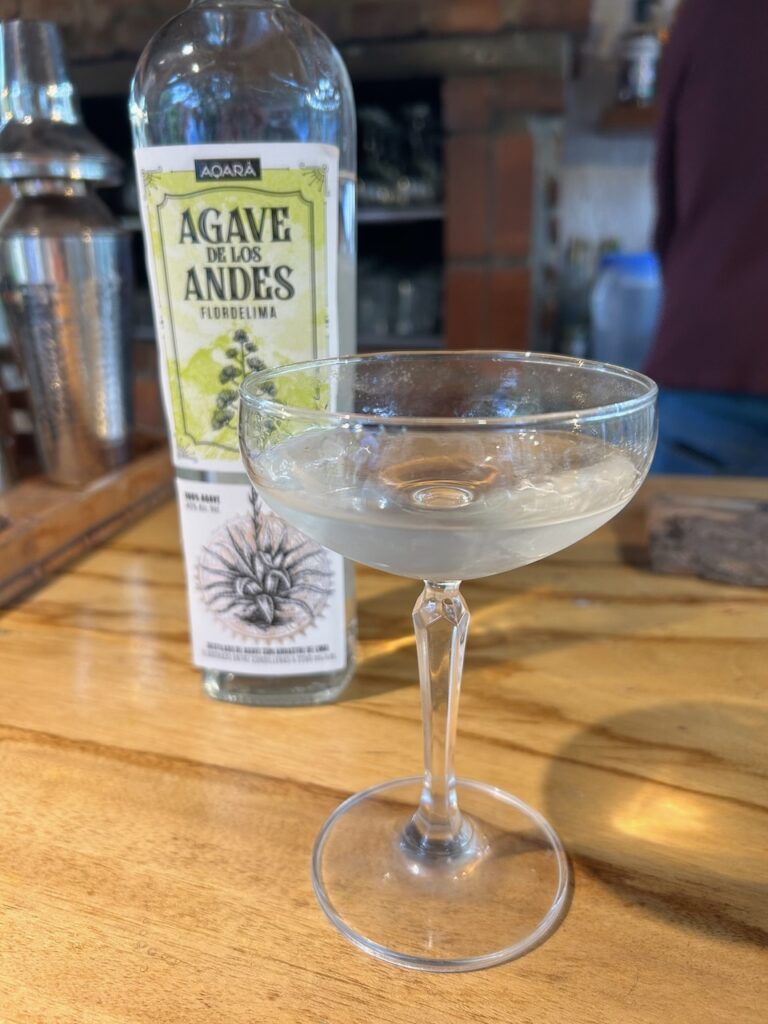
I’m sipping the Aqara Flor de Lima, an agave spirit distilled with citrus. It’s quite good and reminds me a little of té de limón. I mention that it would make a great martini. Olivier agrees immediately, jumps up, and starts tinkering. He eventually hands me a genuinely delicious martini. We debate the espresso martini’s staying power and wonder when it will finally fall off bar menus. I tell them about Bruno Mooshei, who ran the Zam Zam in San Francisco’s Haight district, a martini bar where ordering a vodka martini, or god forbid a beer, could get you thrown out. The unwritten rules were endless: no more than two people at a four-top, no mustaches or beards, and absolutely no woman sitting alone.
I learned those rules the hard way over time. My mother is a martini drinker, so naturally I brought her in. We sat at the bar, and when Bruno asked what she wanted, she said, “A martini, ideally Bombay Sapphire, no vermouth, just blow over the top of the glass and think about it.” You could have heard a pin drop. Nobody told Bruno how to make a martini. Then he smiled and announced, “Finally, someone who knows a true martini.”
I wonder if this kind of bar can even exist today in a big city. A temperamental bar owner focused on a specific cocktail made the way he wants and you deal with it and you keep coming back for that banger of a martini The numbers probably don’t add up given the astronomical rents these days.
Olivier, meanwhile, has moved on from martinis and is focused on creating a negroni (incredible) and a Manhattan variation with a touch of licor de coca, which is made from coca leaves, the local cure-all for altitude sickness. More experimentation follows, and more discussion of what works and what doesn’t. I’d say just about everything made that night is a winner.
I wish there was a way to bring this kind of experience to more bars, this hands-on, exuberant experimentation where I, the “customer” feel like part of the process. The closest I usually get is telling a bartender I like booze-forward, agave-based drinks and leaving it to them. Most of the time they have something up their sleeve. Occasionally I get the look that says just order a drink, lady.
Édouard tells us about a pop-up he ran for a few months: “It was a huge success. People loved the concept and the drinks. It was so much fun. But I still lost money.” That leads into a conversation about the “World’s Best” lists and how they’re reshaping the bar industry. Getting on one takes real money; the cost of a PR team alone knocks out plenty of great bars. It creates a vicious cycle: people travel the world to visit the same handful of places, which reinforces their status, which leaves everyone else out in the cold. The lists drive the guest shifts, which bring in the brand dollars, and the cycle repeats.
It’s not lost on us that Édouard and Olivier will end their Peru trip with a guest shift at Sastrería Martinez (number 32 on the World’s 50 Best list.)
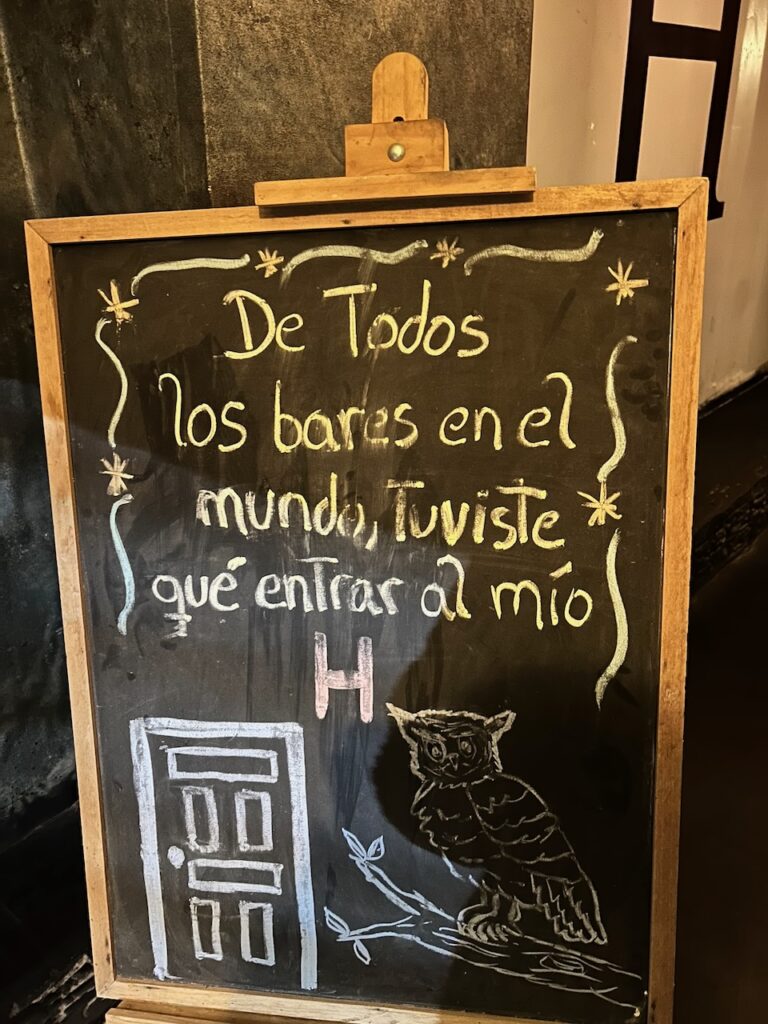
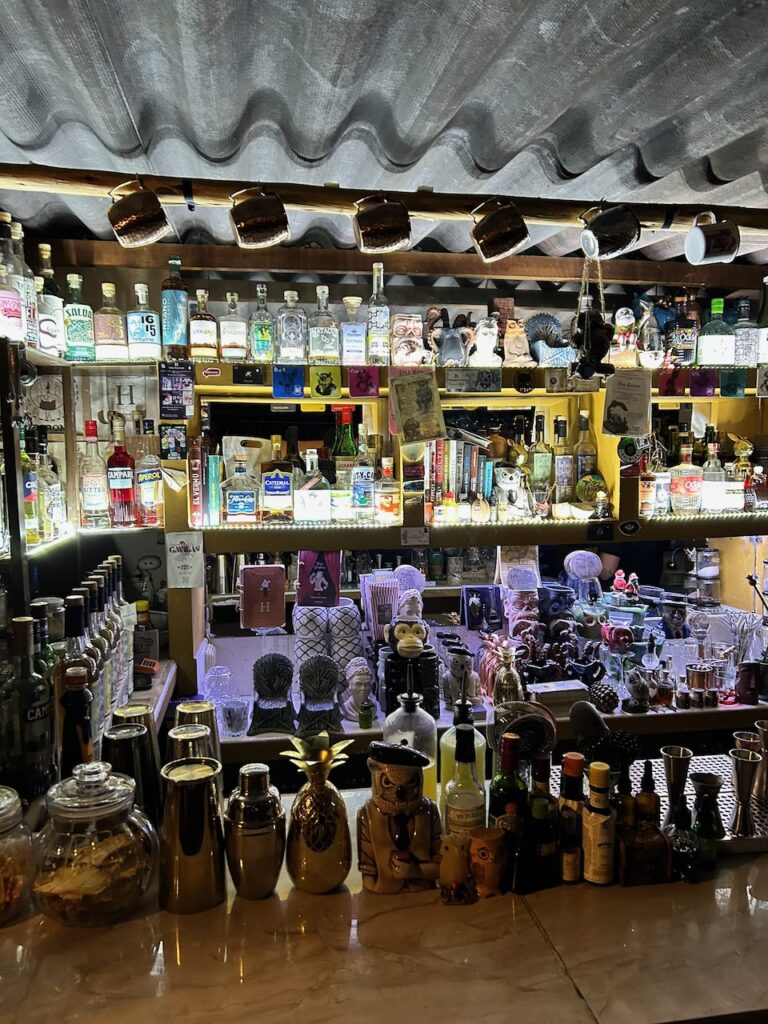
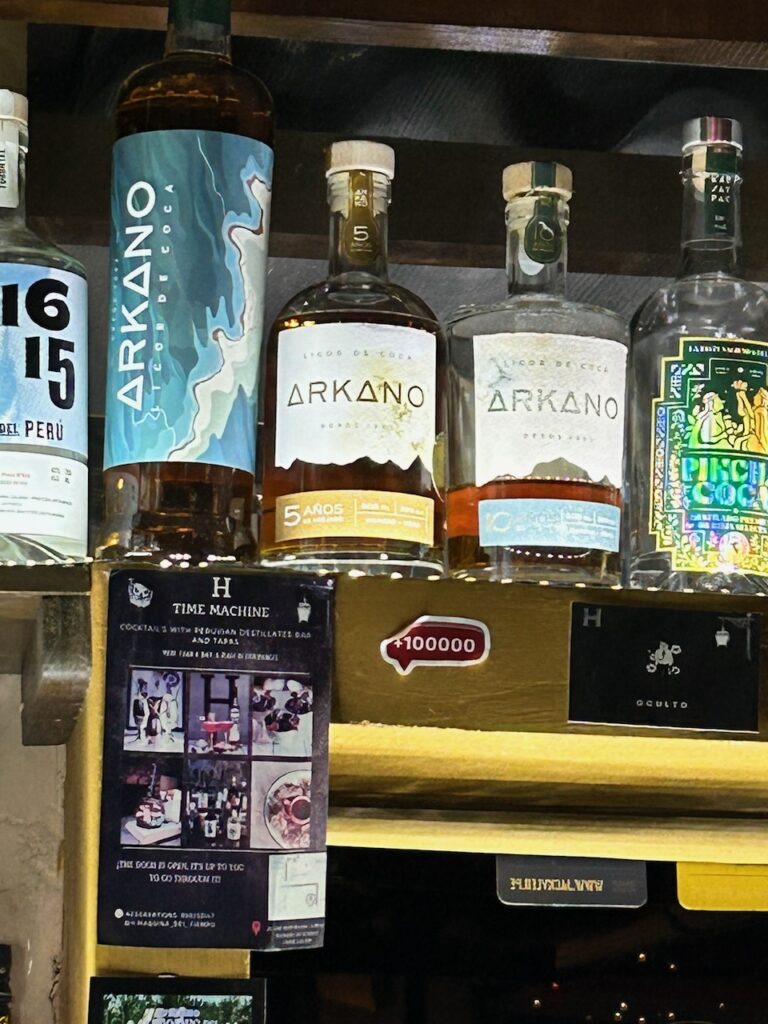
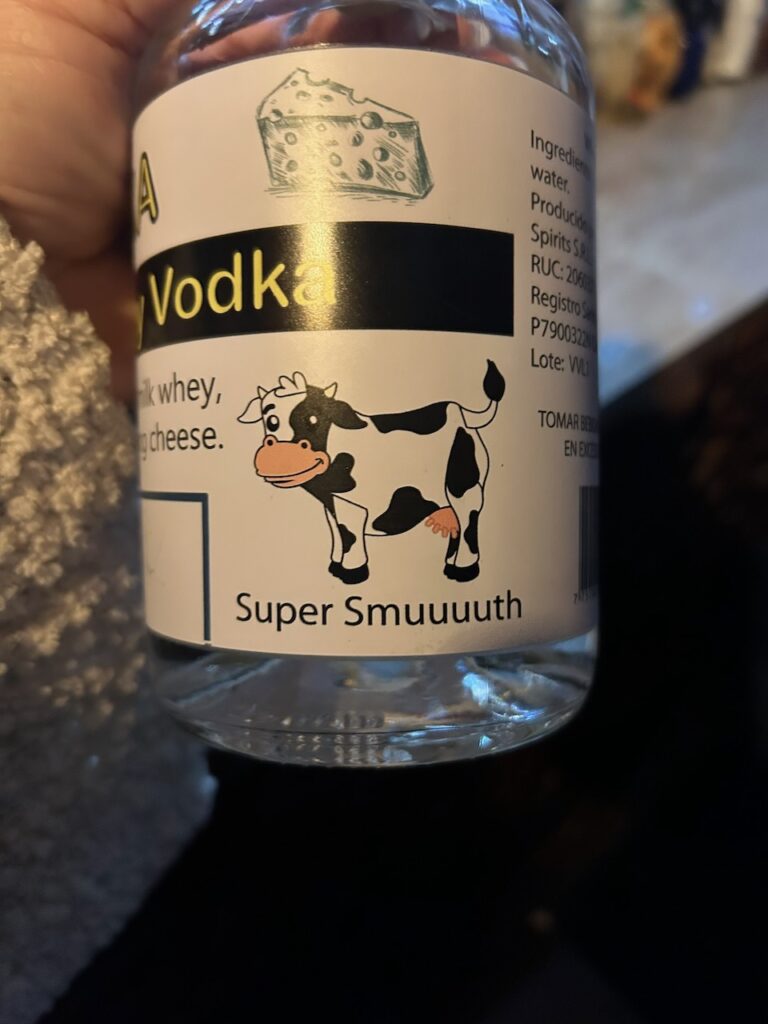
On our last night in Caraz, we visit an off-the-beaten-track bar with the feel of a speakeasy: H Máquina del Tiempo, the brainchild of Angel Aponte Casapia, who moved to Caraz to run the lodge’s bar. It’s a masterclass in building a cocktail program with vision. Aside from a few mixers, the bar is stocked entirely with Peruvian distillates. Angel shows us a bottle of vodka made from cow’s-milk whey (which makes me wonder why there isn’t an entire category of potato vodkas, given that we’re standing in the cradle of the potato). His cocktails range from elaborate to straightforward, and every presentation is beautiful. Our group of nine crowds the bar; aside from a couple of other guests, we’re the only people there. I ask Angel who his customers are. “Well,” he says, “not locals.”
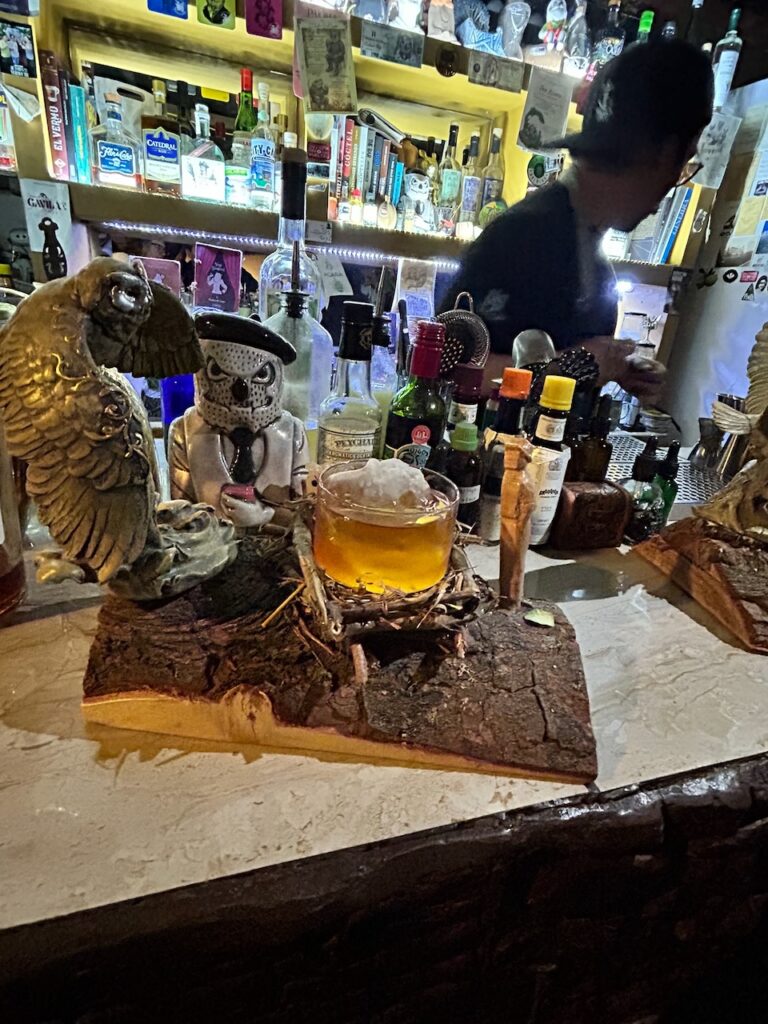
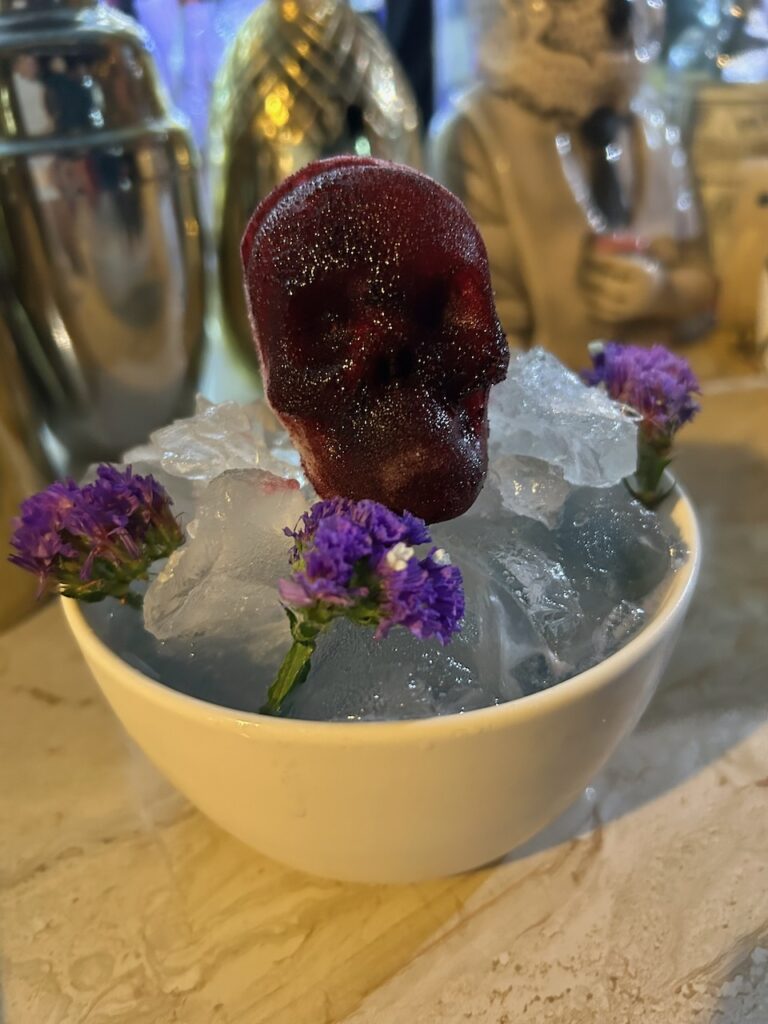
Caraz is a town of about 14,000 people. It’s an hour flight plus a 45-minute drive from Lima, and a whole world away. The economy is driven by mining, berry farming, and tourism. Those industries have kept the town employed; but even with a solid economic base, the bar doesn’t draw locals–partly it’s the prices, and likely a reaction to the perceived elitism that tends to follow outsiders and cocktails. It’s the same problem bars face everywhere: a serious cocktail program, no matter where it is in the world, ends up serving a smaller and smaller slice of the population.
Angel does what many bar owners now do, gets creative with events, collaborating with musicians, artists, and other bartenders, hosting takeovers, building in an educational component. Whether it will be enough remains an open question.
My final hour in Peru is spent at Sastrería Martinez. I have just enough time to say goodbye to Édouard and Olivier before the bar opens and they’re slammed with customers. The space is beautiful, that interesting mix of nostalgia and modern elegance, and I’m sorry to miss the full night of live music and a packed room. Before I’m whisked off to the airport, I have one last drink: the bar’s famous NA negroni, made with Aqara’s non-alcoholic agave spirit, Refugio. The Campari and vermouth are run through reverse osmosis to extract the alcohol while leaving the flavor intact. The irony of this is not lost on me–I could not be more on trend, drinking an no-ABV cocktail in a bar that’s on the 50 Best list. But here’s the thing: The NA negroni is innovative AND delicious. It is beautifully presented in a beautiful space. The service is excellent.
It was a reminder that even when everything is on trend, the thing that counts is the ultimate experience–the heart of hospitality.






Leave a Comment