Many mezcal fans know that these iconic mezcal glasses start out as candle holders. But, as usual, there’s a lot more to it. Contributor Anna Bruce answers all your questions in this photo essay on the most popular mezcal glass.
Most mezcal fans have sipped from the iconic “veladora.” Whether lined up as a neat flight, packed onto a cantina table amid raucous celebration, or raised in sombre ritual, these simple glasses are intertwined with the culture of mezcal appreciation.
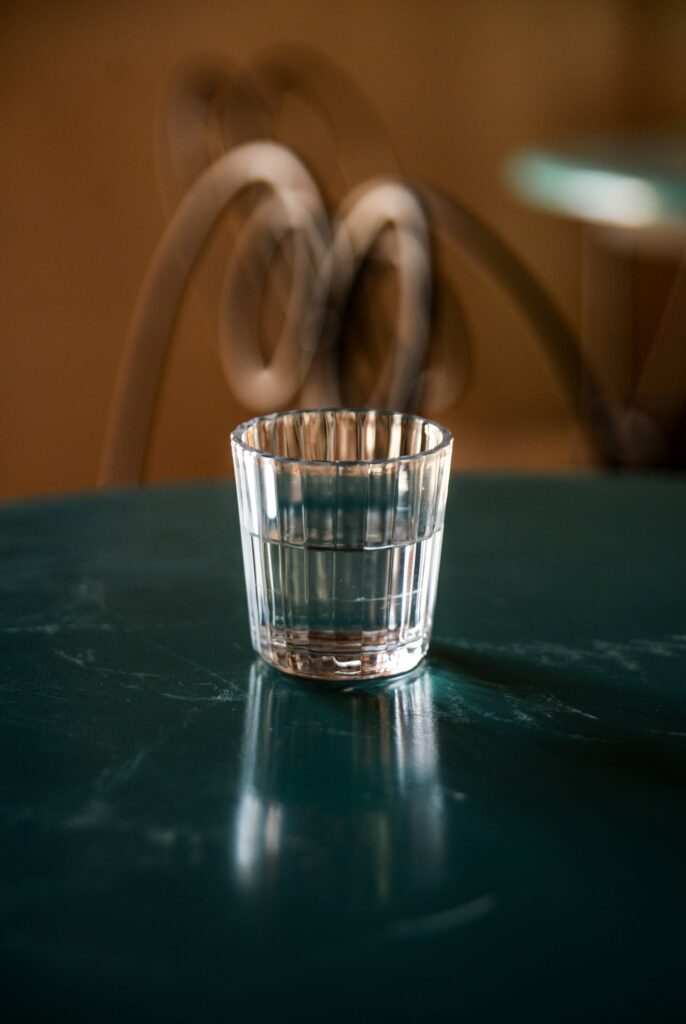
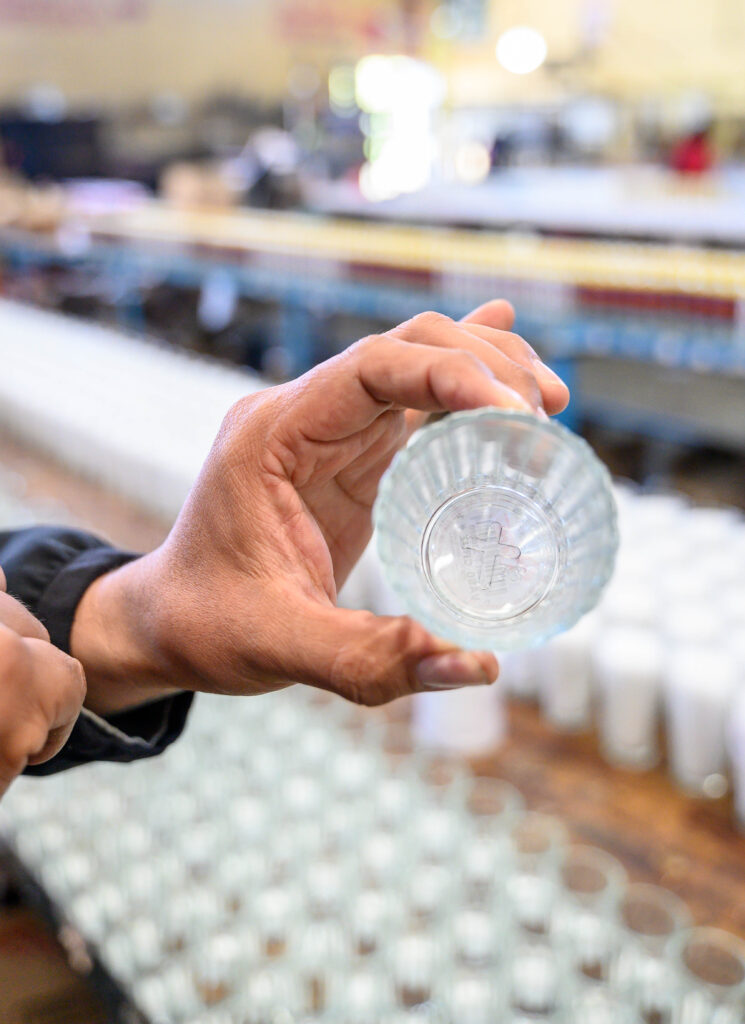
The veladora is a clear glass with straight, ribbed sides. As light passes through it, luminous rays fan out from your hand, like the sun shining through clouds at sunset. It has a circular base, commonly featuring the imprint of a cross. The cross connects us with the spiritual heritage of these glasses, which still hold votive (prayer) candles in Catholic churches and home altars across Mexico.
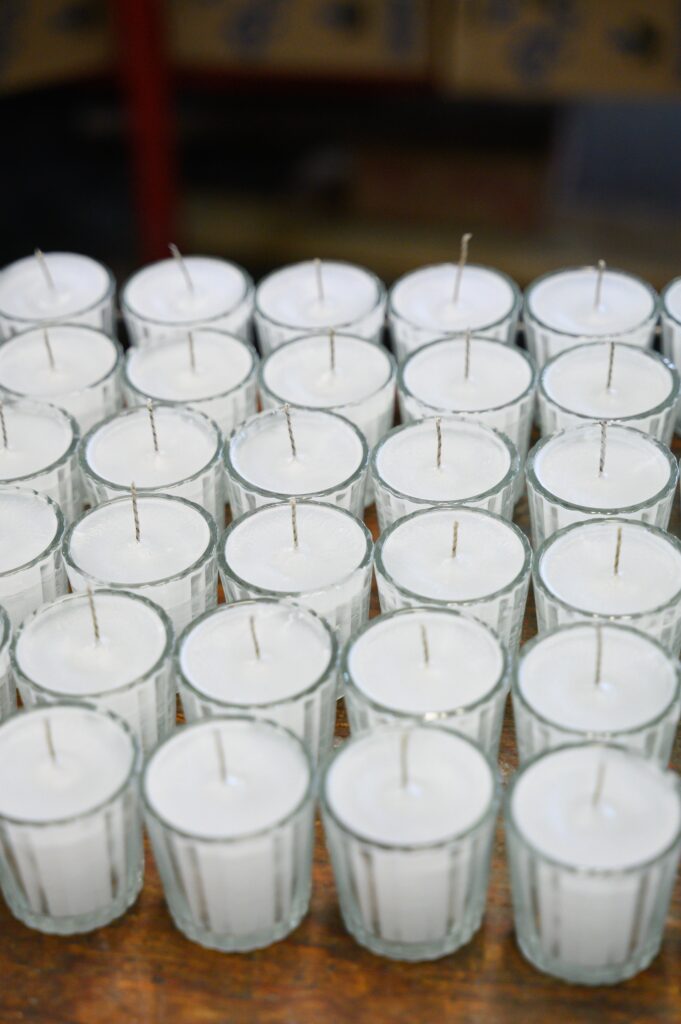
In Mexico, votives are more than just a source of light; the candles are powerful symbols that bridge the past and present, the physical and spiritual worlds, and connect communities through shared traditions and faith. Most veladoras hold a white candle symbolizing purity and hope.
As Miguel Palacios of Salvadores Mezcal explains, “Veladoras are used to make the cross of votive candles for the nine days after someone died.” This is a tradition where family and community gather nightly at the deceased’s home to help the souls transition.
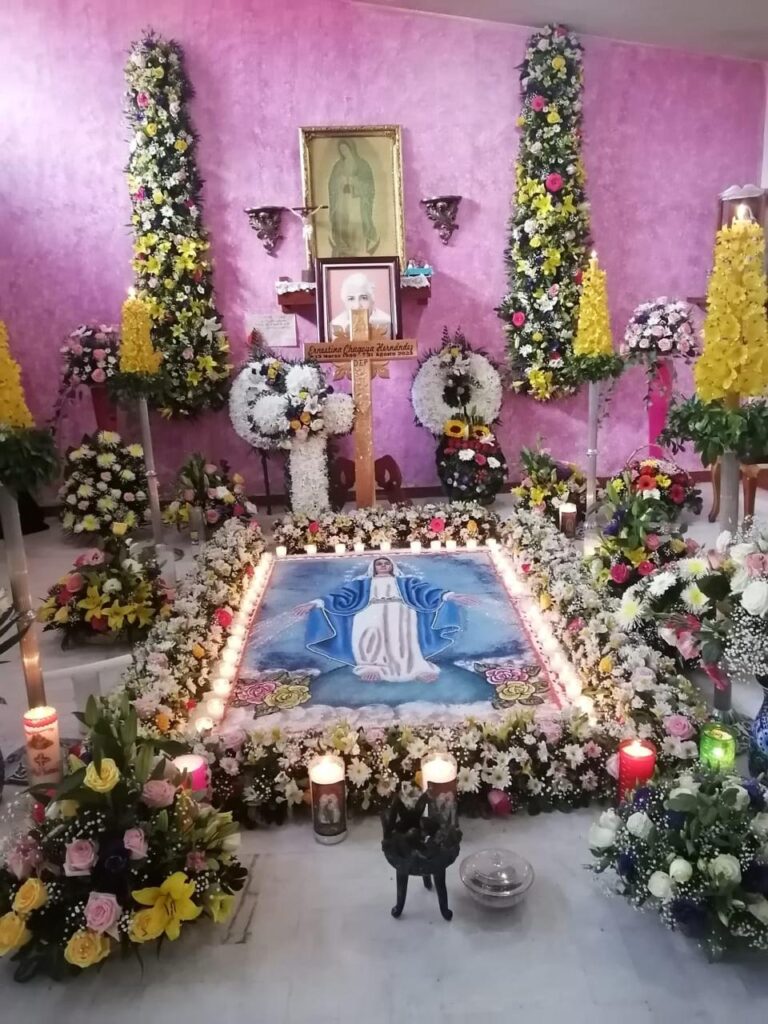
“When someone dies, the first day is the vigil,” he says. “Everyone goes to the deceased’s house and prays with the body present. The second day is the burial in the cemetery. For the next eight days, prayers are held at the deceased’s house every night. On the eighth day, votive candles are placed around a small earthen mat with a special image of the Virgin Mary or a saint. On the ninth day, the earthen image is lifted and taken to the cemetery along with the wooden cross. The candles that remain in the house are arranged in the shape of a cross to finish burning.” After this ritual, the veladora glasses are washed and reused for enjoying mezcal.
The veladora became popular as a mezcal glass around the mid-20th century. They were affordable, sturdy, and readily available in rural Mexican communities. Once the votive candle was burned out, the durable glass was cleaned and repurposed as a drinking vessel.

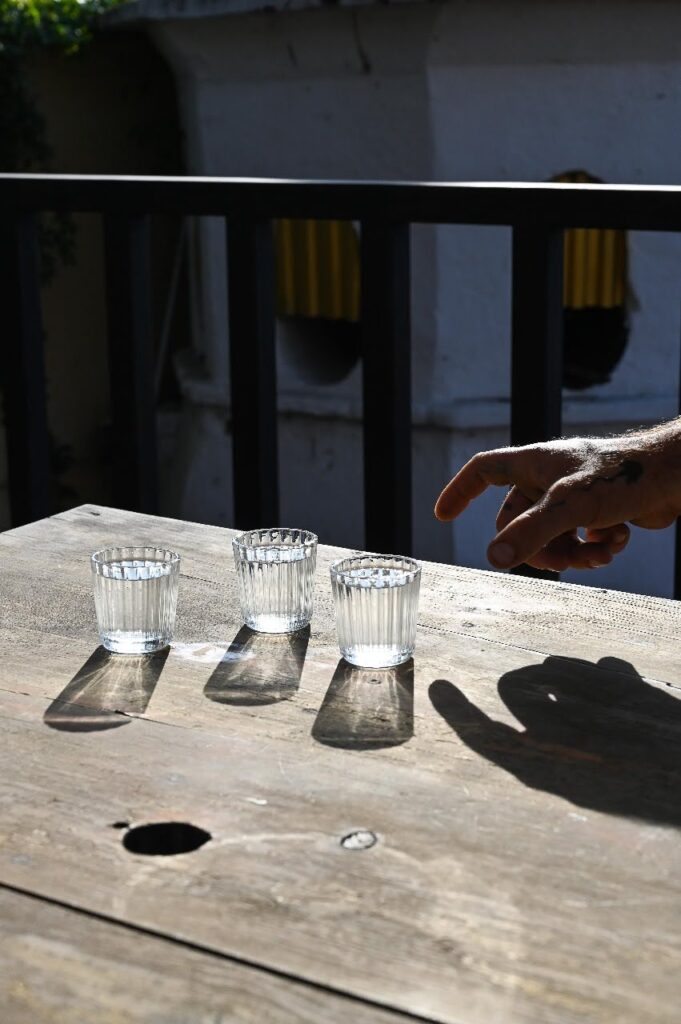
Bibiana Santiago Monterroza, who produces Shidubi mezcal, remembers reusing the glasses when her votive candles burned out. “I’d put them upside down in the sun to remove the wax and wash them to use for mezcal,” she says.
Bris Lopez, who works with her husband, Jose Santiago Lopez at their palenque, says that these days, there is a church committee in Matatlan that’s in charge of selling the pre-used glass candle holders.
Recently, Brooks and I were looking for glassware to host a mezcal tasting with Rambling Spirits in Oaxaca. As with most trending items, the veladoras have become fashionably expensive, and we needed over a hundred. Fortunately, we were given a heads-up that the candle factory in Tlacolula might be able to sell us some veladoras before they were filled, reverse-engineering the traditional route to mezcal glasses.
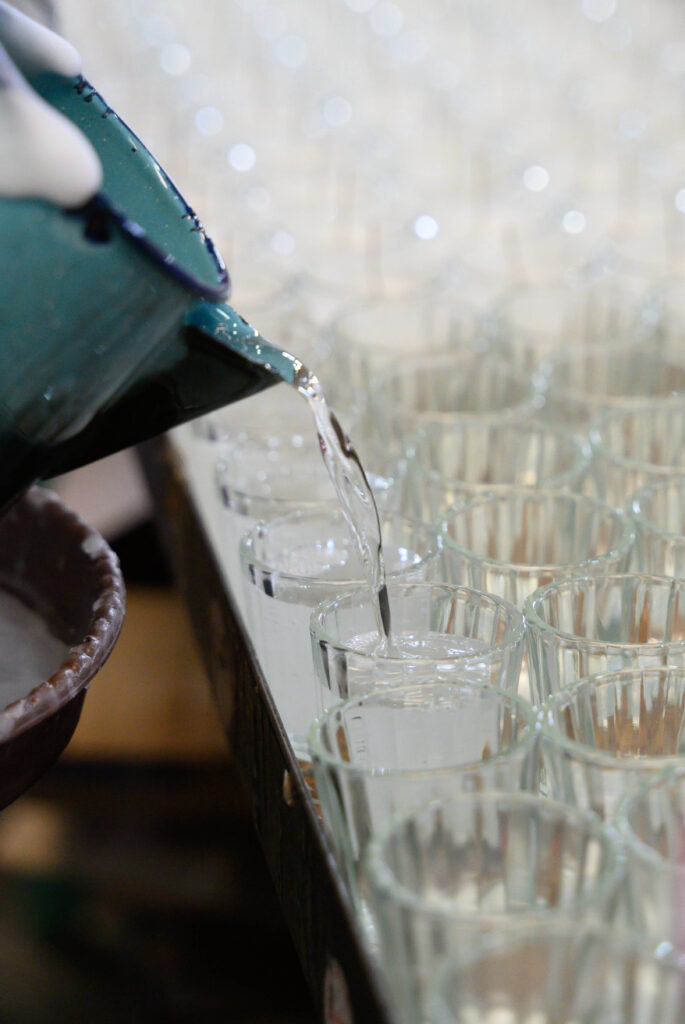
As we waited for our order at the door, I couldn’t help but peer into the warehouse behind. Beyond the machinery, there were lines of production where liquid was being poured into glasses. These long tables drew your eye toward a dark room at the far wall, where a fire could be seen dancing within. I love these industrial, cavernous spaces, filled with the hum of human activity.
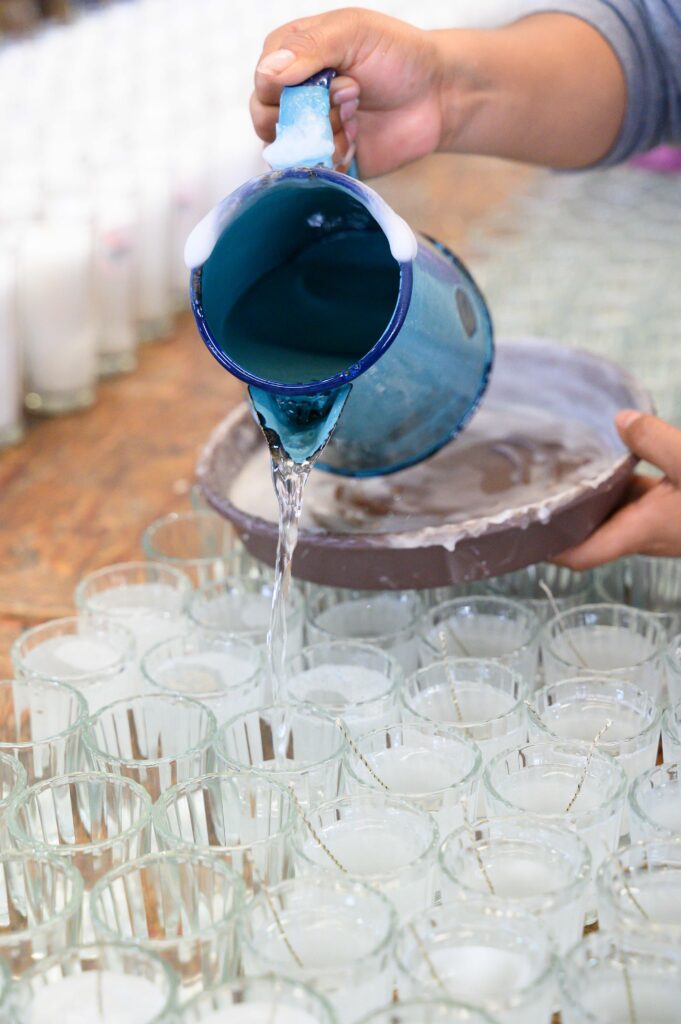
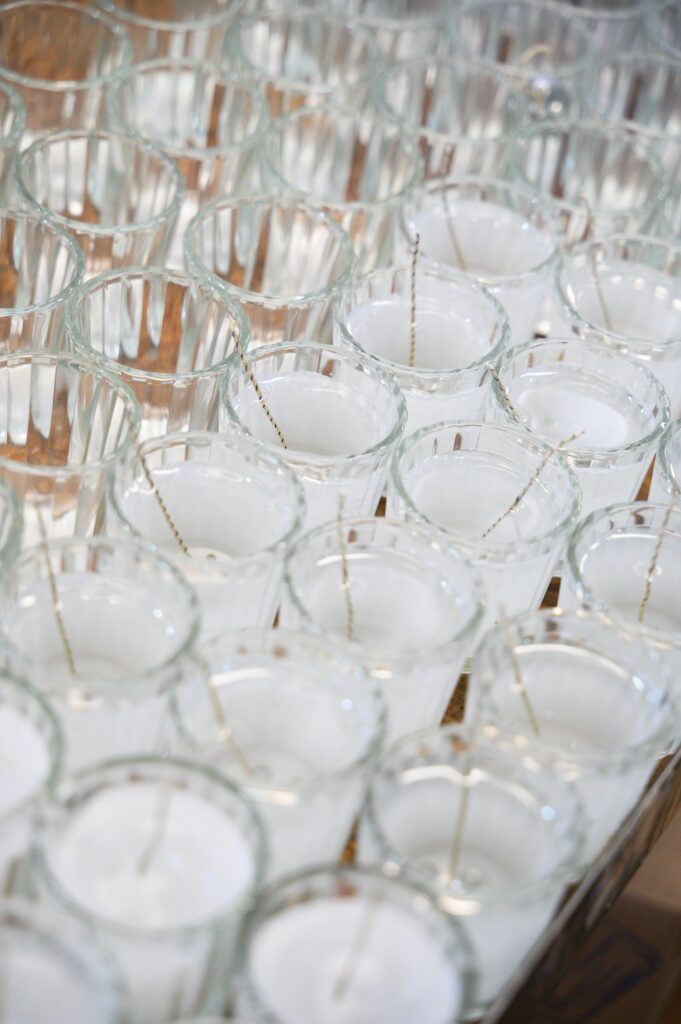
The factory is called La Paz, and is run by three generations of the same family: Manuel Luis Pablo, his father Víctor Manuel Luis Vázquez, and his grandfather, Agustín Luis Luis. They invited me to come back and have a proper look around.
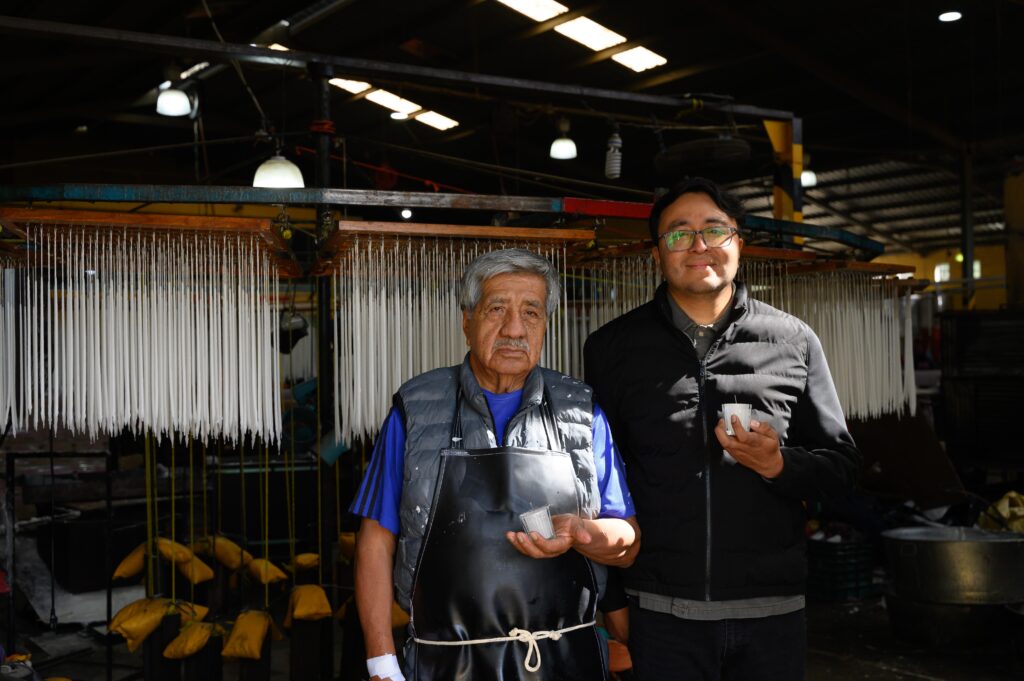
Manuel and his family have been making candles for over 60 years. Manuel’s great-great-grandfather began their family vocation; Antonio Luis worked out of a small adobe house, using animal fat to make the candles. His grandson, Agustín Luis, emigrated to the United States. On return, he resumed making candles and began expanding the business with the help of his wife and children.
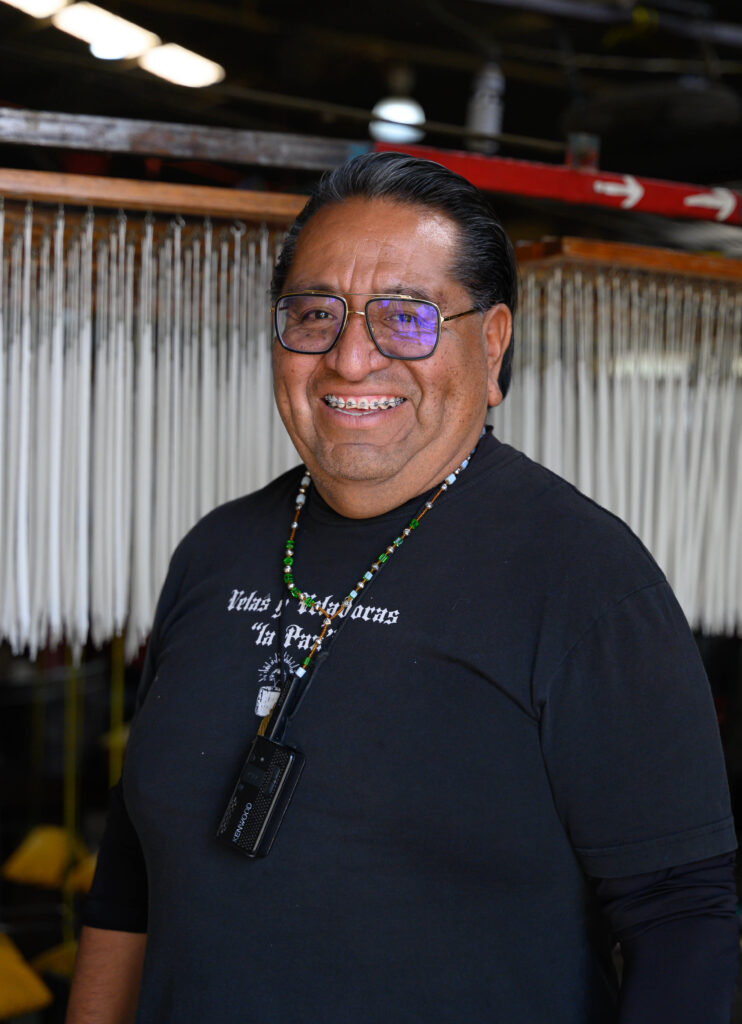
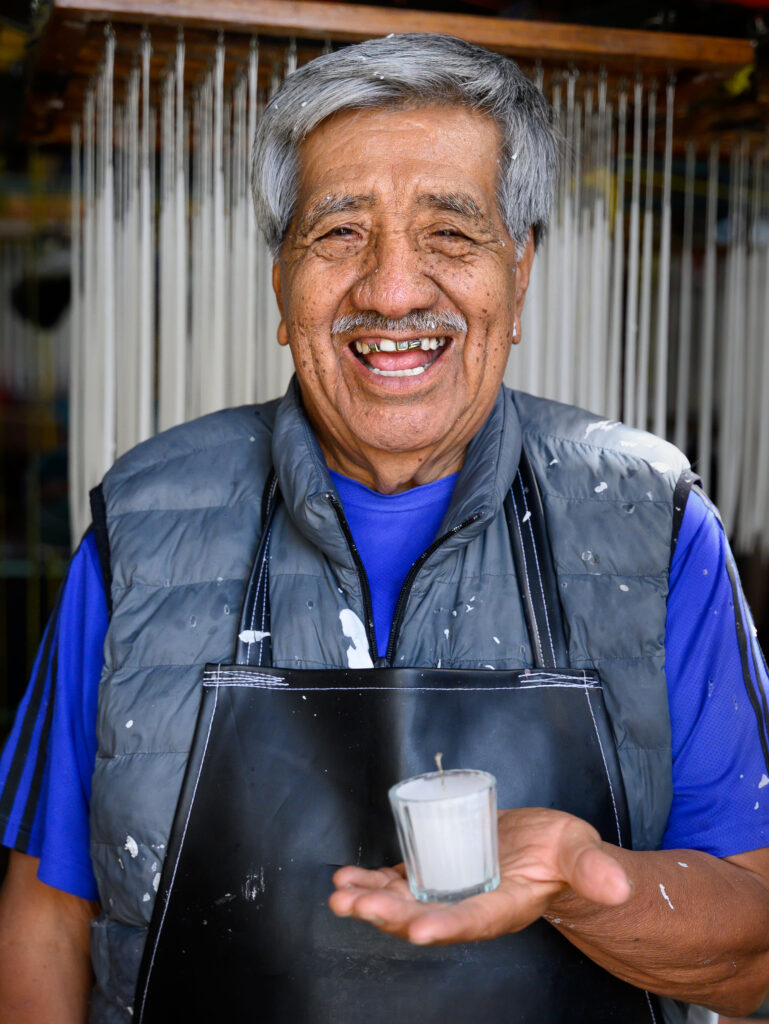
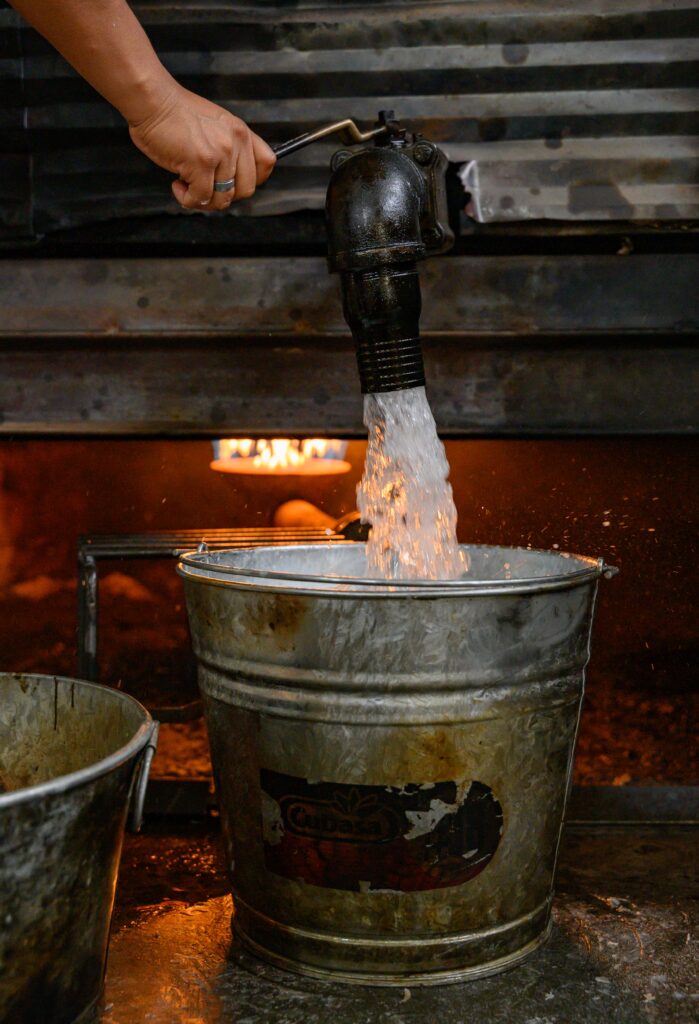
During the peak season, they manufacture between 10,000 and 30,000 candles per day, slowing down to 3,000-4,000 per day during the rest of the year. The raw material arrives in solid 50 kilo blocks. Manuel explains that to liquify the paraffin, they heat it to between 58 and 60 degrees. This is then poured into the veladoras to make the traditional votive candle.
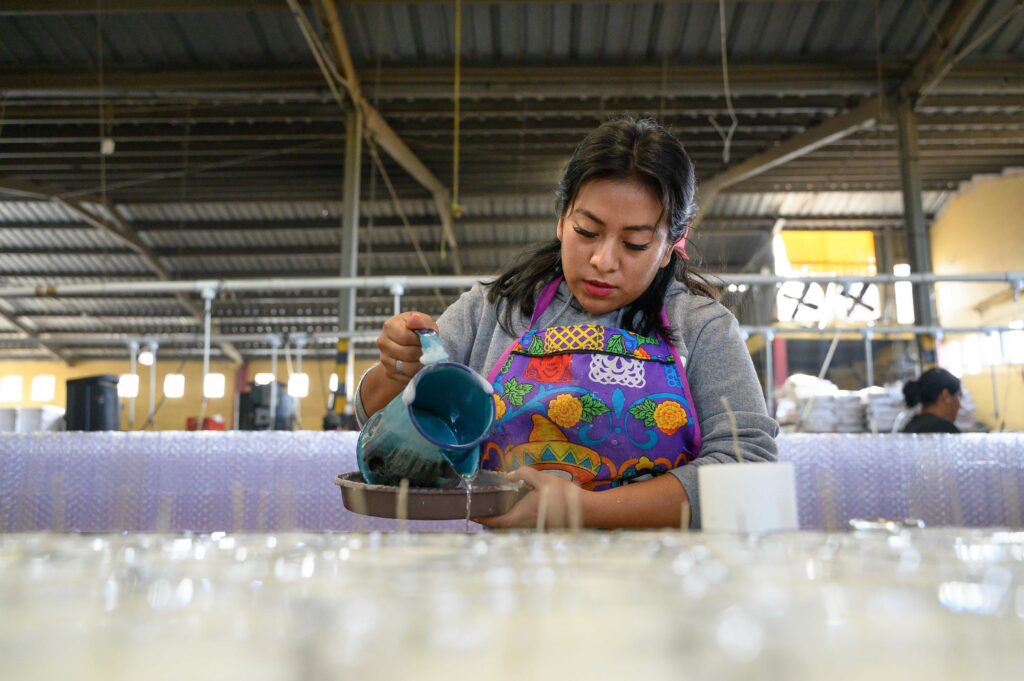
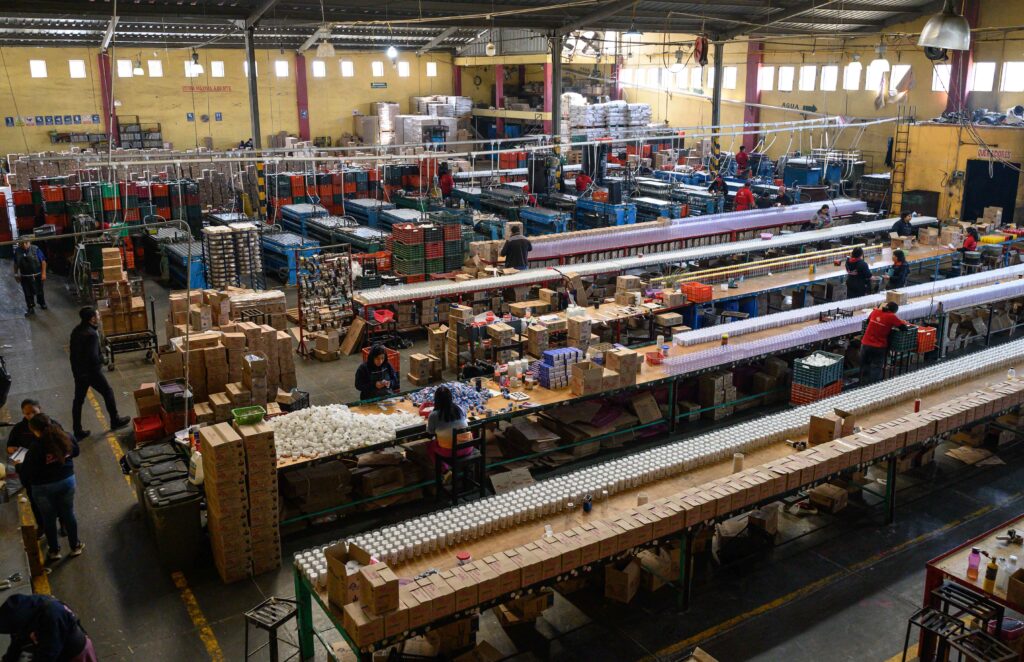
“The factory’s role in our community is primarily to provide economic support to single mothers, who are the majority of the factory’s employees,” Manuel says. Currently, 40 people work at the factory. He says they’ve worked together to grow it into the factory it is today.
While I was there, the factory was filling an order of veladoras. Manuel describes these glasses as “Vasos Santos Cruz.” This is partly due to the cross motif, but also because they order from a producer that ships the glasses in boxes with this slogan on the side. Manuel says there are three factories making these glasses. La Paz orders their veladoras from a company called “Glass & Glass,” in Altamira, Tamaulipas.
Representatives from the glass factory explain that the veladora candle with cross motif (referred to as motif 169) was originally designed for candles. “Our sales are primarily to candle makers, since mezcal producers acquired them from distributors due to the smaller volume they require.”
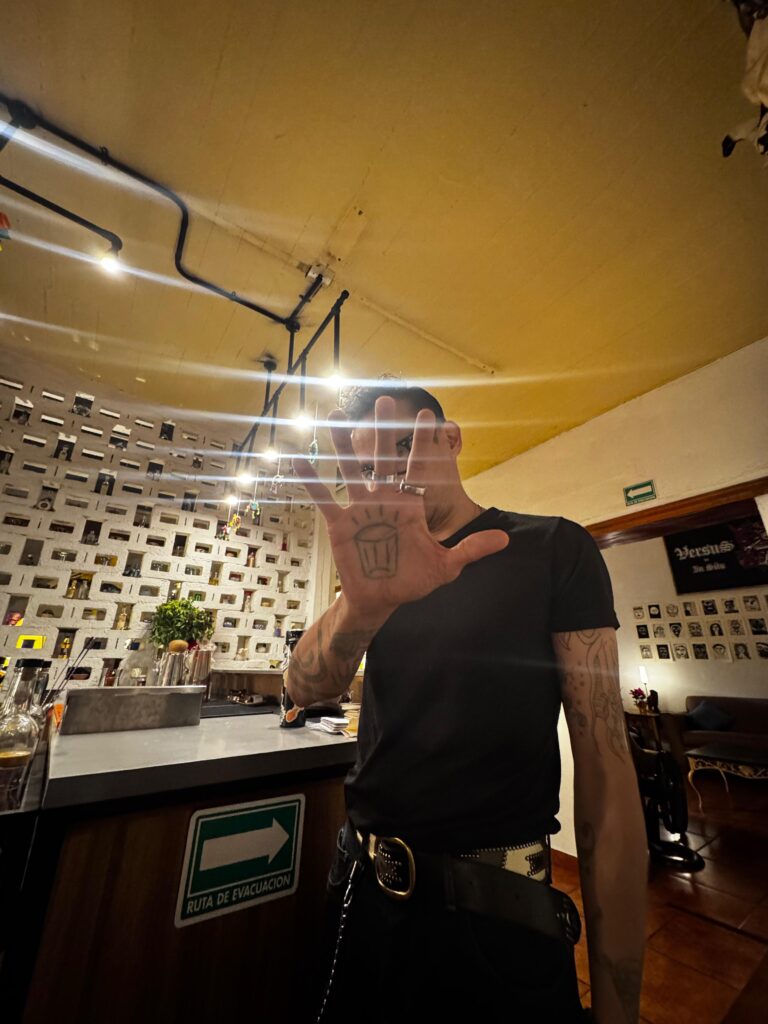
Today, the veladora has become the de facto official mezcal glass, representing the mysticism and devotion with which the spirit is consumed. If you see a picture of this glass your mind will go to mezcal — I’ve seen enough bartender tattoos of veladoras to vouch for that! It’s fair to say that the veladora is a pictograph for mezcal itself, a short hand for the mezcal story.
Although the design of the veladoras makes sense for a candle holder, it’s just as practical for drinking. The thick sturdy glass makes it difficult to break–ideal for the endless mezcal toasts. The glasses are roughly 6 cm tall by 2.35 cm in diameter, and hold about 2.7 ounces. This size encourages the traditional method of enjoying mezcal: slow, small sips, often described as a “besito” (kiss), rather than taking a shot. The ribbed outer surface is easy to grip, and the shape, which widens slightly at the mouth, is ideal for tasting mezcal. This design allows the mezcal to “breathe,” while concentrating complex aromas (like smoky or herbal notes).
Jon Darby, founder of London’s mezcaleria Sorbito and small batch brand Sin Gusano, considers the veladora to be ubiquitous with Oaxaca and mezcal. For tastings, he likes veladoras for their size, shape and uniformity. And simply that they are glass.
“Copitas or jícaras are too shallow, making it easy to spill the drink,” he says. “And they’re often porous, meaning they soak up some of the mezcal and,worse yet, change the flavour. Whisky style tasting glasses that are designed to funnel the flavour to your nose don’t work either… I think mezcal often requires a little aeration in the glass before drinking and that style of glass makes the nose too powerful with mezcal. The straight edge of the vaso veladoras is ideal.”
However, despite their popularity, veladoras aren’t every mezcal aficionados’ go-to glass.
Casa Lumbre ambassador Jon Anders doesn’t think there are particular benefits drinking from a veledora aside from history. “But it’s part of the mezcal lore and is very much part of how we promote mezcal in the U.K,” he concedes.
Steven Sadri runs Tahona Mercado in San Francisco. Alongside their extensive selection of agave spirits, they sell glassware, including veladoras. However, his preference for sipping mezcal is the beautiful bulbo glass. “For me, the narrower mouth of the bulbo concentrates aromas more,” he explains.
Although some aficionados are opting for more specifically designed glassware for mezcal tasting, most mezcal-serving establishments still opt for the traditional veladora, either repurposed from votives after their votive purpose or intercepted like ours from La Paz.
Although veladoras aren’t the inexpensive choice they once were, they still relay the rustic roots of mezcal. They translate a level of authenticity that is especially sought outside of Mexico. Bars like London’s Sorbito are working hard to guide consumers to “sip” their mezcal, and having these glasses supports this education.
“Para todo mal mezcal, para todo bien también” is by far the best-known mezcal saying, emblazoned on the walls of many a mezcalería. However, another popular refrain is “Hasta que veas la cruz,” which translates to “Drink until you see the cross.”This saying refers to the cross emblem engraved at the bottom of the veladora glass.
David Castillo, manager at Oaxaca’s influential mezcaleria In Situ, explains how it is very common to light a candle for a saint and drink mezcal. “I remember that in some of the distilleries that were using these candles, which they borrowed from the saint, they would serve it with the phrase: Hasta ver la Cruz!!”
“Hasta que veas la cruz,” or “hasta ver la cruz” (until I see the cross), signifies finishing the drink, often to seal a deal or celebrate, symbolizing commitment and shared joy. The cross serves as the final visual cue that the glass is empty and the ritual is complete.
This is not about “shooting” the liquid, but about enjoying every last sip. These last drops, creeping down the veladoras steep sides, as the cross points skyward, are referred to as “las gotas de felicidades” (the tears of happiness). Ultimately, drinking mezcal from a veladora is a way of honoring the spirit’s history and the multi-generational artisanal craftsmanship behind it.






Leave a Comment