
Pssst…you guys! I recently discovered a hidden gem on the coast of Jalisco, Mexico. A little town called Puerto Vallarta. Yes, I jest. Puerto Vallarta hasn’t been a secret paradise since the sixties, when Ava Gardner’s drunken antics (on screen) and Elizabeth’s Taylor’s drama (off screen) put it on the global map. Largely filmed in the nearby cove of Mismaloya, The Night of the Iguana captured the magnificence of the surrounding jungle and, in dance party sequences featuring Ava Gardner and Sue Lyon, the salty, sultry allure of its beaches.
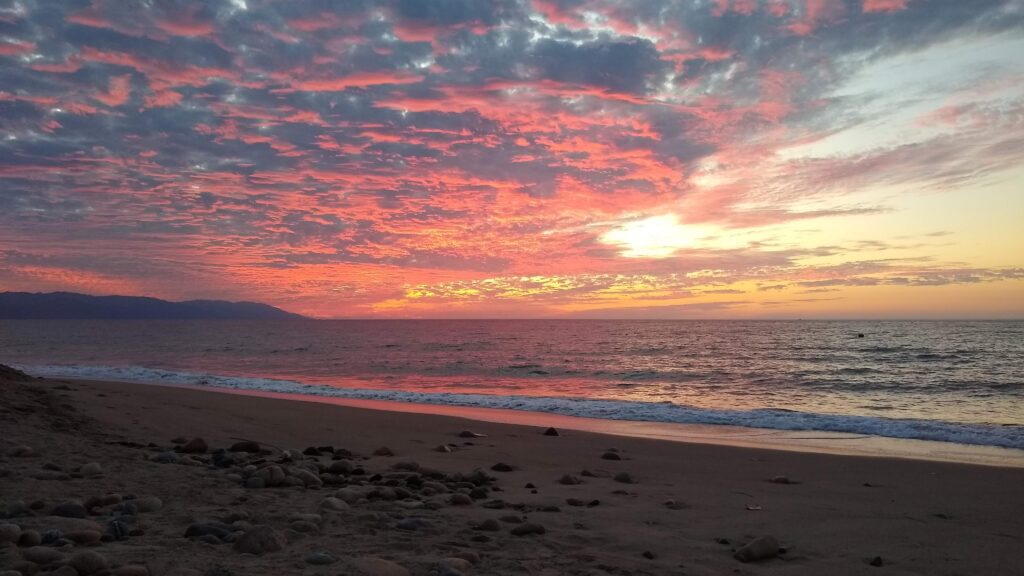
Vallarta’s oft-repeated origin story is that it was a sleepy little fishing village until John Huston and his crew descended and Elizabeth Taylor arrived to visit the film’s star, Richard Burton. Both actors were married to other people at the time. The attendant press and the debaucherous vibe of the movie captured the public imagination, and Puerto Vallarta became a tourist destination.
Actually, Vallarta was already a tourist destination for locals. The municipality was officially founded in 1851, as Puerto Las Peñas de Guadalupe. It served the mining towns to the east as a source of salt (which was used in refining silver) and as a supply port.* Locals dove for pearls, logged and milled hardwood, hunted, and drank raicilla, which was imported by skiff from communities along the southern coast. All this commerce attracted pirates, but that’s a story for another day.
Back to 1963. Huston and company arrived to a fair-sized town with cobbled streets, a distinctive church, and a handful of hotels. While it wasn’t the tiny village implied in some versions of the story, the film and tabloid drama certainly called attention to Puerto Vallarta, which mushroomed over the decades into a tourist extravaganza, replete with foam parties, sketchy paragliding, and lots of iguana merchandise.
Due to an aversion to bad margaritas and rude Americans, I once thought that 48 hours in Puerto Vallarta was way more time than I needed. When I was in my 20s, the resort city was an annual overnight stop between the airport and lesser-known destinations to the south. I suffered from the misconception that Vallarta was for the dorkiest tourists and that cool people like me had better places to be.
Now that I’m older and less pretentious, I know I don’t necessarily have anywhere better to be. Puerto Vallarta is a friendly and diverse town. Sure, it’s full of tourist traps. But if you know where to look, it’s a fun place to eat, drink, and be merry.
This may be titled “48 Hours in Puerto Vallarta,” but I’m not going to give you an hour-by-hour itinerary. No one follows those. Instead, I’ll try to answer your potential questions about where to stay, where to eat, where to learn and–of course–where to drink. This being Mezcalistas, you’ll find more than a few institutions that serve both education and booze. (We chose to focus on Puerto Vallarta because it is the gateway to raicilla country and has an emerging agave spirits scene.)
Note: The article is arranged to give you an overview of noteworthy neighborhoods, followed by lengthier sections on cool restaurants, taquerias, bars, activities, and, of course, where to drink mezcal, tequila, and raicilla.
Warning: As many Mexican businesses don’t have actual web pages, some of these links are to Facebook, Instagram, or Google.
Choosing the best Vallarta neighborhood for your inclinations
Most travellers end up staying in the Zona Romantica, downtown, or in the high-rise hotels and resorts that stretch along the cliffs and beaches to the north and south of downtown.
But this is only a snippet of the real city. All Vallarta neighborhoods outside the tourist zones have worthy destinations–inland ceviche joints, flea markets, cantinas, bakeries, and torta carts. That said, these neighborhoods are mostly residential, out of the way, and offer only bare-bones hotels–if any. As much as I love experiencing “the real Mexico,” I don’t endorse using Airbnb to stay in residential communities. The working people of Vallarta already struggle to find affordable housing. For those interested in experiencing the parts of Vallarta that few foreigners see, I’m including recommendations that are worth the cab fare. But the following breakdown is limited to neighborhoods that offer a concentration of amenities for travelers.
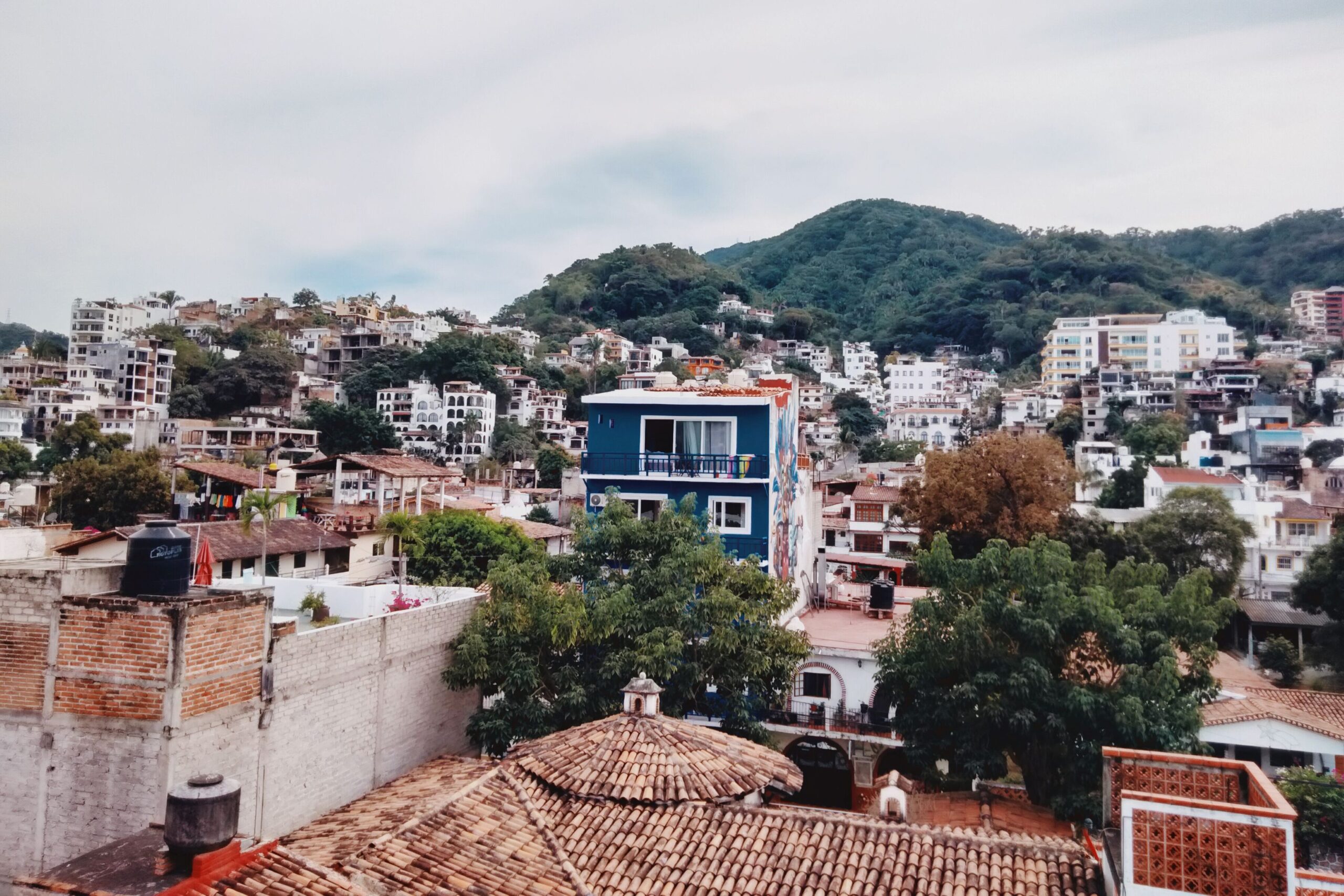
Zona Romantica (Viejo Vallarta)
If you’re not the all-inclusive resort type, the Zona Romantica (ZR) is the most obvious base neighborhood. Puerto Vallarta is famously gay friendly and the ZR is ground zero. The neighborhood abounds with clubs, bars, shops, spas, and salons that cater to gay residents and tourists. But it has a little something for everyone.
The Malecon, the beachside walkway that extends from the ZR to downtown, is a diverse tumult of vacationing humanity: beer-swilling Albertans, “just off the plane” gringos who are easy to spot due to their blindingly pale skin and general air of confusion, giant families from Guadalajara, and of course couples of all persuasions and nationalities trying to capture sexy Instagram photos in the surf.
The Zona Romantica is crowded with tourist traps selling overpriced and underwhelming food. But if you know where to look, you can find great tacos as well as fine dining. Check out the food section of this article for more information.
The lay of the land in the Zona Romantica
The ZR is the city’s most southern neighborhood, climbing up into the jungled mountains. The beach is now dominated by high-rise hotels, but a cluster of thatched seafood restaurants still hold their own. Inland, condos vie with older buildings, but there’s enough red-tiled roofs to retain the neighborhood’s classic charm.
Twenty-five years ago, nearly all the fancy and touristy establishments were on the beach side of the main drag, and the east side felt more like your average Mexican town–that happened to have a large population of Americans and Canadians. Many native Vallartans have since fled to northern neighborhoods, where housing and food is cheaper. That said, the east side’s boutique hotels still share ground with mom-and-pop tiendas and stalls selling birria tacos and fresh orange juice.
Downtown
Downtown is north of the Zona Romantica, just on the other side of the Rio Cuale. The cobblestone streets and red-tiled roofs continue to set the tone. Like the ZR, this is a very touristy neighborhood, but the vibe of the tourism tends to be slightly less gay and slightly more Señor Frog. That said, it still feels like Mexico; if you head away from the beach, you’ll find great hole-in-the-wall eateries and classic tiendas. It’s also home to the city’s famous and distinctive church, a dedicated mezcal bar, and what is, to my mind, the best fine dining in town. (See the food section of this article for details.)
Zona Hotelera
Running south from downtown along the beach is the aptly named Zona Hotelera, which is great if you want to stay in a Hilton with an ocean view and eat at Outback Steakhouse.
Versalles
Veralles has risen to prominence as a destination neighborhood in the past decade and is now home to many of Puerto Vallarta’s best bars and restaurants. The neighborhood has large middle and upper class residential areas and, while there are foreigners everywhere, the overall vibe isn’t touristy. If you’re looking for a beach town experience, Versalles isn’t your best bet. It’s inland, on the quieter side, and not within easy walking distance of the party scene on the south side of town.
The Marina
If, for some reason, you end up stuck at a giant beachside hotel on the north end of town, the marina is a nice place to wander around—especially at dusk. In fact, it’s generally worth a visit—it’s fun to check out the fancy yachts and quirkier sailboats, and there are plenty of bars and restaurants that offer pretty views, though I’ve never discovered anyplace worth writing home about. (If you know of somewhere, hit me up!)
Best bars in Puerto Vallarta
The OG serious yet fun cocktail bar in Vallarta is Elixir, which is located in the Zona Romantica. This fine and fun establishment is owned and operated by badass gay women. Vallarta’s gay tourism tends to be man-centric, so it’s nice to see a lesbian bar really taking root. (They just celebrated their five year anniversary.) But to call Elixir a lesbian bar is reductive–it’s an inclusive curated environment and a must if you’re a cocktail or agave enthusiast of any persuasion. They like fanfare, but the smoke bubbles and tea cups come across as fun, rather than pretentious. I’m fond of Embrujo, their classic raicilla cocktail that emerges in a haze of burning rosemary, and they have a superb selection of agave spirits.
Coco Machete, another excellent Vallarta cocktail bar, is located in Versalles. In the courtyard, strings of lights illuminate jungle folliage, while the bar has notes of tiki and is pleasantly dark. The selection of agave spirits is very good, and their tequila and mezcal cocktails are among the best in the city. Coco Machete is the kind of place where the knowledgeable staff will whip up a fantastic custom cocktail if you give them a few parameters. I drank something divine invoving fernet, although I was enjoying my experience too much to bother writing down the ingredients.

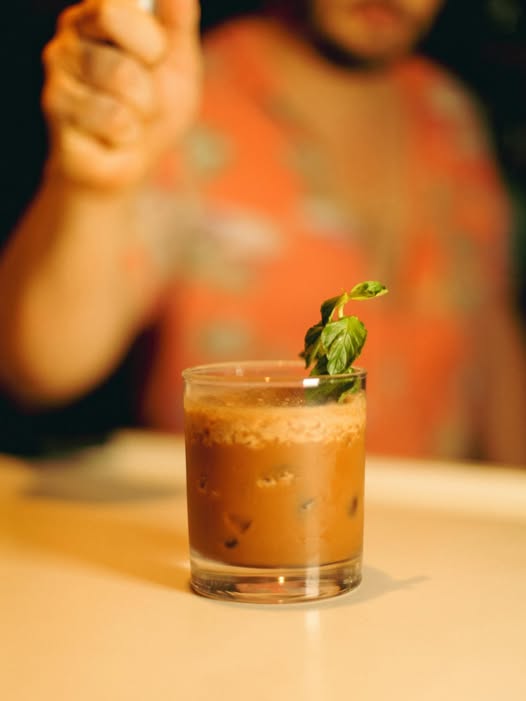
And now for a horse of a different color. The Gringo Loco Cantina is accurately named. This Viejo Vallarta dive is inhabited by a grizzled group of snow birds, as well as the occasional flock of drunk tourists who are fortunate enough to get sucked into the vortex. Sometimes there’s live music. Definitely worth a visit if you enjoy large concentrations of Hawaiian shirts, old men in neon tank tops, and day drinking.
Tequila and mezcal bars and tasting rooms in Puerto Vallarta
Strangely enough, one of the best agave spirits selections in town happens to be in a brew pub. El Granero is the Zona Romantica location of Los Muertos Brewing, but features a tequila and mezcal bar and good pizza, which can be hard to find in Mexico.
If you’re looking for a dedicated mezcal bar in Puerto Vallarta, El Tasting Room is here for you. The founders started with a racilla-based concept, so this downtown bar is a good place to sample an extensive selection of local mezcal. On my most recent visit, I was impressed by the comprehensive selection of agave spirits and the knowledgeable, friendly, and engaged staff. We had a lengthy and wide-ranging conversation about agave spirits while simultaneously sampling rare treats and enjoying a genuinely fun evening. Schedule ahead for a formal tequila, raicilla, or mezcal tasting.
Speaking of which, Isis Hernández has opened her own tasting room in the Zona Romantica. Savia Agave Niche is a woman-owned, gay-owned jewel box of an agave bar. Isis has deep roots in agave spirits: she’s from Ameca, and got her professional start at La Cata in Tequila, where she was trained by Clayton Szczech. Her new space features a curated collection of mezcal, tequila, and raicilla. She opens the bar every afternoon except Monday, but the space is small so you may want to contact her to schedule a tasting. Highly recommended.


In Versalles you’ll find Vallarta Tequila Tastings, which was way ahead of the city’s now ascendant agave game. This longstanding institution has expanded to include raicilla, sotol, mezcal, and bacanora, as well as chocolate pairings. Nearby, El Rey has a good selection of agave spirits, as well as mezcal, sotol, and raicilla cocktails.
Versalles is also home to the closest thing Vallarta has to an actual raicilla bar. Chiro showcases the best coastal raicilla but creates an inclusive and eclectic atmosphere by serving affordable beer and hosting DJs and cool events. The bar’s raicilla cocktails are excellent, the staff is on point, and the owners are deeply knowledgeable. Definitely consider scheduling a raicilla tasting at Espacio Atarraya, which is attached to the bar. Read more on Chiro, Atarraya, and the history of raicilla.
Cultural activities and ecotourism around Vallarta
The Vallarta Botanical Garden is a beloved local institution, and with good reason. Much has already been written about the project, so I’ll limit myself to recommending making a day of it and bringing a bathing suit because the river is warm and clear. The gardens are about 40 minutes south of town, but you can get there by bus and it’s a fine way to see the jungle. Cost: 300 pesos per person.
If you’re feeling slightly more adventurous and want to contribute to a good cause, I highly recommend visiting El Santuario de las Guacamayas. The sanctuary is up a dirt road about ten minutes past the botanical gardens. It was started by a rural family who are devoted to protecting the habitat of military macaws. For five hundred pesos, you can take an hour-and-a-half tour through the pine forests and watch majestic green macaws feeding their young. It’s best to go in the morning between 8 and 10 and to call or message in advance. Like the road, the trails are on the rugged side. This is an actual working sanctuary and conservation project—not a roadside attraction. Due to the destruction of habitat, disease, and predators, the infant survival rate of wild macaws is only 16%. While the sanctuary also protects feline predators, the family has succeeded in ushering nearly ⅔ of the juvenile macaws into adulthood, while expanding their habitat by replanting pine forests.
We went in the afternoon and still saw a lot of macaws. The very informative tour was in Spanish, so if you’re not fluent you might consider inviting a Mexican friend or hiring a bilingual driver who doesn’t mind a hike in the woods. Camping and night tours are also an option, by reservation. (+52 322 171 8187).
If you’d like to combine your time in nature with drinking or are, you know, obsessed with mezcal, you could consider booking a raicilla tour with Arturo Dávila, co-owner of Ataraya Raicilla and Chiro, Taberna de La Costa. Arturo is a Vallarta native with an encyclopedic knowledge of raicilla and local history. He also conducts historical walking tours of downtown (focused on the storied Gringo Gulch), and tailormade city tours that can include tastings and culinary experiences.
Arturo offers a nuanced and informed perspective on prevailing myths. “Hollywood did not create Vallarta,” he says. “In general, there is always an idea that ‘others’ made Vallarta, and typically that refers to those who came to do business.”
His tours emphasize the region’s distinct coastal culture, and its roots in pre-hispanic communities, which date back to at least 1,100 AD. Arturo can be reached at Info.somoslitoral at gmail or via Instagram.
Best tacos in Puerto Vallarta?
No mames. Impossible to actually narrow it down. The city is home to hundreds of great taquerias. But here are a few notable establishments…
If you’re looking for seafood tacos in the ZR, avoid the overpriced restaurants and head east to Marisma (Naranjo 320). They serve the best shrimp tacos in town, according to my decades of “research.” Fresh deep-fried shrimp are wrapped in a huge homemade tortilla, which you can top with chipotle mayo and a selection of delightful salsas. Note: this place is busy, so expect a wait. The consolation is that the staff is on point and it’s fun to watch them execute their taco game at optimum efficiency. They do not serve beer, but their aguas are some of the best in town—not too sweet and featuring creative flavor combinations like celery and pineapple.
For classic street tacos, check out El Moreno (Madero 304), a Vallarta institution, where the tortillas are fresh and the beef is sizzling.
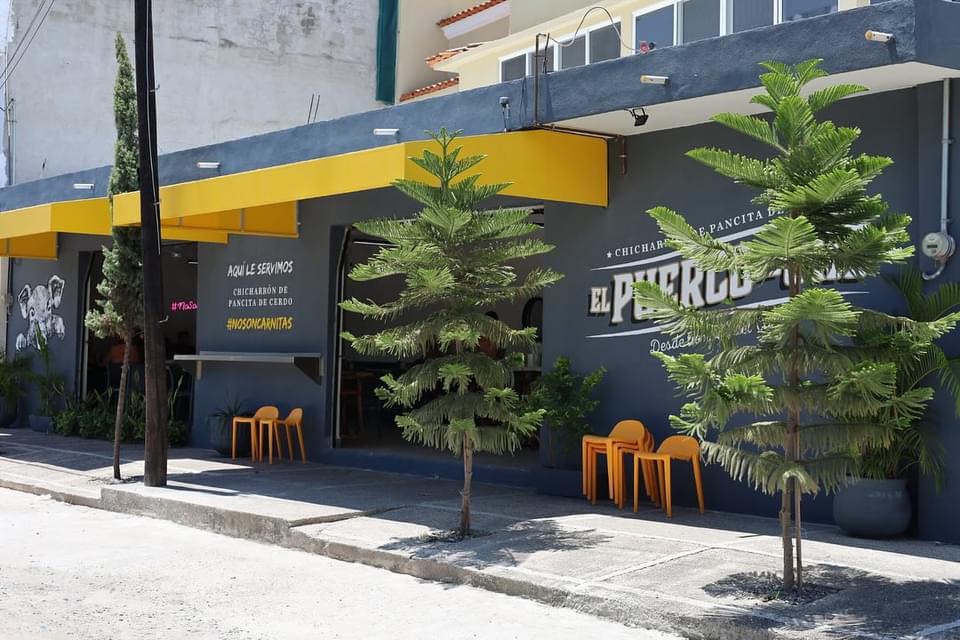
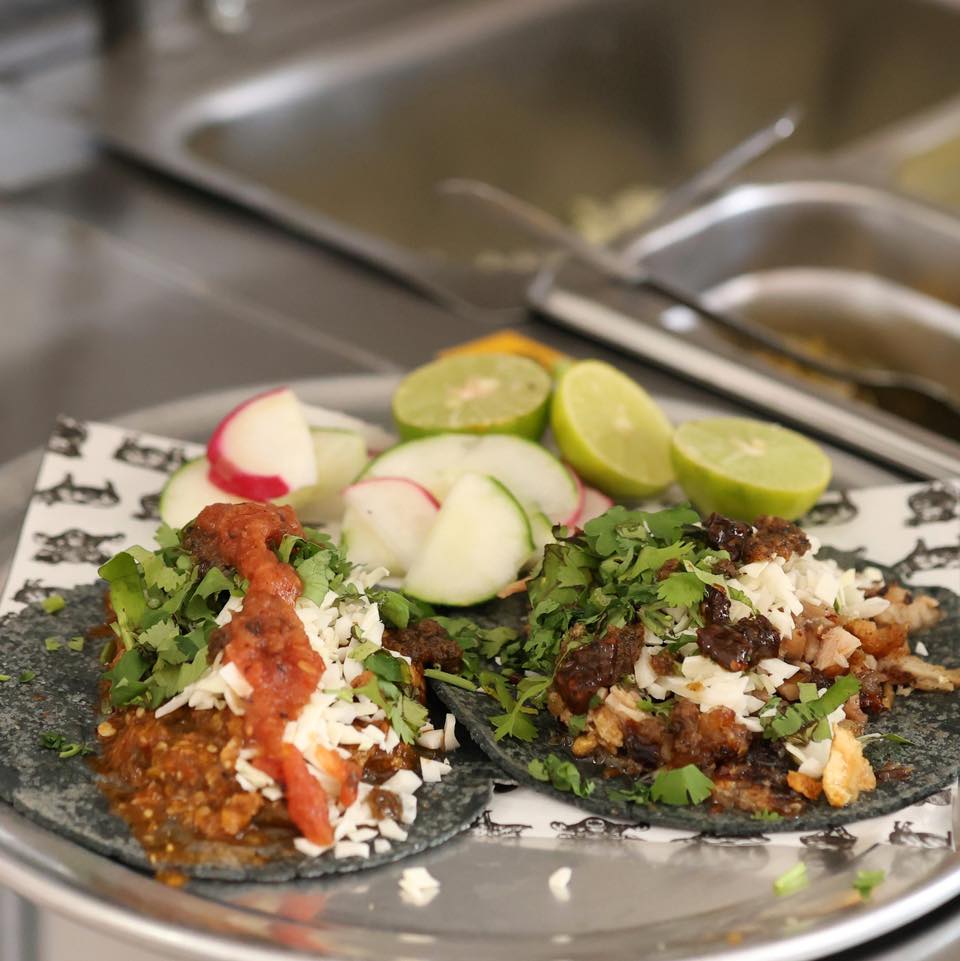
If you’d rather a sit down meal, Versalles is home to two fantastic pork taco places. The original is El Puerco de Oro (Merida 128). This is a spotless, spacious, and efficient establishment with an exemplary salsa bar, ice cold beer, and succulent pork tacos served on little blue corn tortillas. It’s open till three and caters to a working lunch crowd.
Tacos & Camaradas (Yugoslavia 29B) is new and obviously took a page from the Puerco de Oro playbook but added hipster flair. I’m not dissing. The service is excellent, the beer is cold, the decor is cute, and the tacos are delicious and creative. If you’re not in the mood for beer, try the agua de tamarindo.
Eating on the fancy side in Puerto Vallarta
If you’re looking for a fine dining experience in the ZR, my money would be on ICÚ, which features local takes on the cuisines of Mexico, as well as a large selection of Mexican wines. Tintoque is also worth a visit if you’re feeling flush. That said, my pick for the best fine dining in Vallarta is Café de Artistes. This downtown restaurant has a vaguely 70s tropical elegance that is very Vallarta. The food is exquisite (and a great value for the price) and the service is first rate.
Best seafood in Puerto Vallarta
People tend to gravitate toward the beach when looking for fresh seafood, which is understandable. And it is nice to devour a grilled snapper while watching the sun go down over Banderas Bay. However, it’s also true that beachside restaurants tend to be more expensive and that places that cater to a strictly tourist clientele aren’t as likely to work hard to build customer loyalty. So it’s no surprise that much of the best seafood in Puerto Vallarta is found inland. The city is famous for its ceviche tostadas, and every working class or middle class colonia has its favored local lunch spots.


I don’t like to be the prick who publicly recommends a “local” spot in a tourist city, because I feel like enough of a gentrifier by frequenting them myself. But I feel okay recommending Los Chabochos because they’re atypical and have creative marketing savvy, leaving me to assume they wouldn’t mind attracting the occasional discerning tourist. Their shrimp tacos are great, but their specialty items are unique. I love their towering ceviche tostadas and the scallop sashimi is vibrantly fresh and spicy. If you like cold beer, you’ll be delighted to learn that your Pacifico will arrive in an insulated metal cozie! Check out their Instagram page for more examples of this culinary creativity.
While on the subject of creativity and fresh fish, Abulón Antojeria del Mar is not off-the-beaten path (it’s in Versalles) but it is extremely good, has great ambiance, and an impressively creative menu. I highly recommend the seared tuna tacos.
A few hotel recommendations…
Puerto Vallarta is a city of hotels—from the skyscrapers of mediocrity that dominate the miles of coastline to bespoke gay b&bs perched on jungled cliffs.
In my esoteric opinion, the best hotel in Puerto Vallarta is the Rivera del Rio, which is located in the former home of the legendary Silver Cortez, an eccentric interior designer whose style can be decribed as “Mexican Maximilism.” To put it simply: I fucking love this place. This jewel-box hotel features 18 themed rooms and a tiny rooftop pool and bar. The overall vibe is diva or perhaps dictator–think tiger murals, velvet drapes, inlaid marble floors, and fainting couches. If the Rivera del Rio doesn’t have an available room, you might consider the associated Garlands del Rio, which is next door and shares a similar aesthetic–although it typically costs less per night and the decor isn’t quite as flamboyant.
Mid-priced and budget hotels in the Romantic Zone
Fancy hotels are among my greatest delights, but I have spent most of my life as a budget traveler. The other day I was walking through the ZR and realized that I have stayed in nearly every cheap hotel in this colonia at least once. Most are located on the east side of the highway. They are basic, all similar, and have changed very little over the decades. I recently returned to the Villa del Mar, where I often stayed in my 20s. It was still clean and the pillows were still lumpy. Another good option is the Hotel Azteca.
If you’re looking for mid-priced and much more comfortable, I’d recommend Hotel Amaca, which is closer to the beach and has a great rooftop view of the bay. Each room has a hammock, which is a surefire way to my heart.
In conclusion:
If you don’t know where to look, it can feel like every place in Puerto Vallarta is a tourist trap. But as you can see by the length of this article, it’s actually brimming with gems–and I didn’t even get to the beaches.
*Bahía de Banderas, Nayarit. Perspectiva histórica by Eduardo Gómez Encarnación







Having been a snob about Puerto Vallarta for decades, I found myself wanting to check out some of the recommendations in this charming & humorous PV round-up!